The reality of the American housing market is changing. Recent data from the U.S. Census Bureau shows that newly built single-family homes are trending smaller for the third consecutive year. This shift toward more efficient living means that understanding the mechanics of a tight floor plan is now a vital skill for any homeowner.
Most people approach a small room with fear. They buy tiny furniture and paint everything white, hoping the walls will disappear. Based on my experience in this field, I will say that is exactly how you end up with a room that feels like a waiting area rather than a home.
True authority in design comes from understanding that a room needs a soul, not just a smaller sofa. A successful space balances the physical needs of the occupants with the psychological need for air and light.
You have to be willing to break some old rules to get a result that actually feels right when you sit down at the end of a long day.
Before we explore the 40 ideas that will reshape your home, let’s start by understanding what actually makes these layouts work at a foundational level.
What Makes a Small Living Room Actually Work?
A room works when it respects the people inside it. In a large house, you can afford a mistake. In a small apartment, a coffee table that is four inches too wide becomes a daily obstacle that ruins your mood. The foundation of a great small living room layout rests on three things, scale, light, and movement.
- Scale refers to how furniture relates to architecture.
- Light refers to the layers of brightness that give a room depth.
- Movement refers to the traffic lanes or the clear paths you need to walk through the room without bumping into a corner.
When these three elements are in sync, the square footage ceases to matter.
As the late, great designer Billy Baldwin used to say, “The first rule of decoration is that you can break almost all the other rules.” In a small space, that means being brave enough to choose one big, beautiful thing rather than ten small, safe things.
40 Small Living Room Ideas from the Experts
1. Go Bold with Paint to Create a Cocooning Effect

The most common mistake is assuming white paint is the only option for very small living room ideas. While white reflects light, it can also look gray and dingy in a room that lacks natural windows.
Using a deep, saturated color like Hague Blue from Farrow & Ball or a rich charcoal creates a sense of infinite depth. When the walls are dark, the corners recede, and you stop focusing on where the room ends.
2. Dedicate an Entire Wall to Built-In Shelving
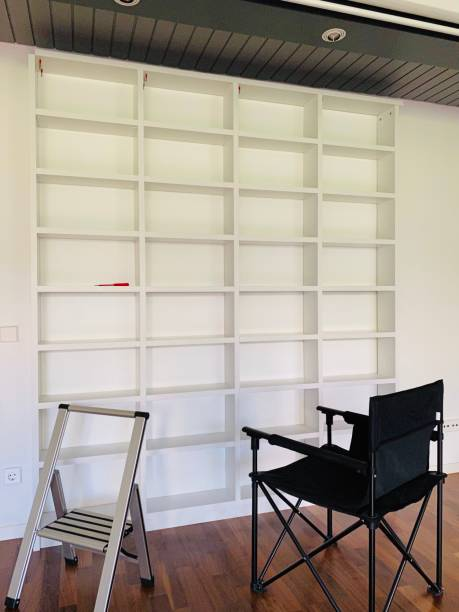
Floor space is your most precious resource. When you have multiple small bookshelves, you clutter the floor. A full wall of floor-to-ceiling shelving becomes part of the architecture. It draws the eye upward and provides massive storage for books, art, and media equipment.
Expert Tip: Paint your shelving the exact same color as your walls. This makes the unit feel built-in rather than added-on and prevents the room from feeling heavy.
3. Use a Large Mirror Opposite the Window
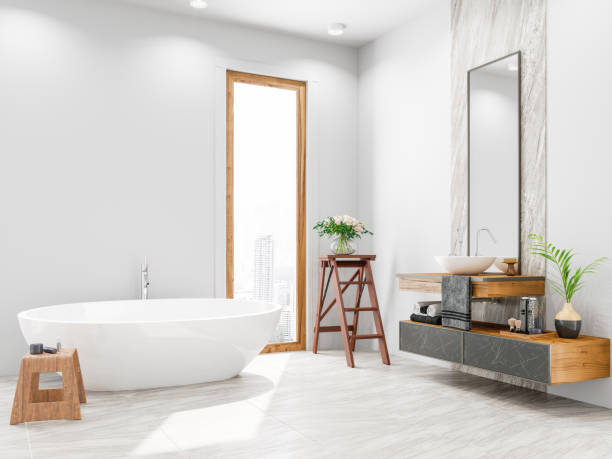
This is the oldest trick for a reason. A substantial mirror “I am talking 30 inches or larger”, placed directly across from your main window acts as a portal. It reflects the outdoor view and doubles the amount of natural light entering the room.
If possible try to find an arched mirror, it adds a soft architectural shape that breaks up the squareness of most small apartment living room ideas.
4. Choose a Sofa That Fits the Wall, Not the Room
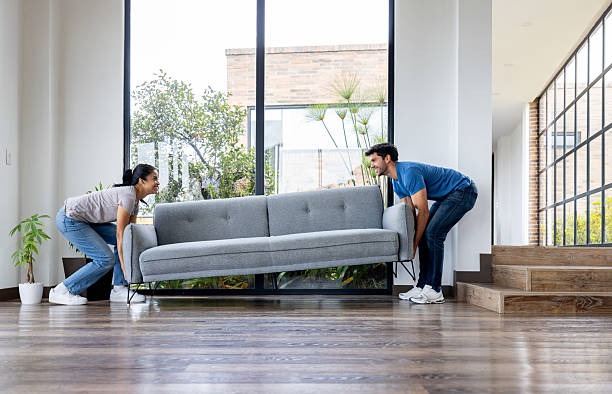
People often buy a sofa that is too small because they are afraid of the room feeling tight. This is a mistake. A tiny sofa in a small room makes everything look miniature. Instead, measure your longest wall and choose a sofa that fills about two-thirds of that space.
You want a design with slim arms and a low back. The Timber sofa from Article or the Söderhamn from IKEA are excellent examples of furniture that provides a lot of seating without looking like a massive block of fabric.
5. Float Your Furniture Away from the Walls
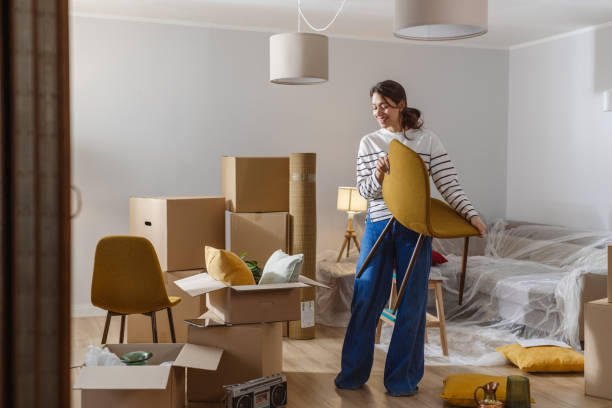
Pushing all your furniture against the walls is the fastest way to make a room look like a gymnasium. Pulling the sofa just five or six inches away from the wall creates shadow space. This tiny gap suggests that the room is actually larger than the furniture, giving the whole small living room layout a much airier feel.
6. Swap a Coffee Table for a Slim Ottoman
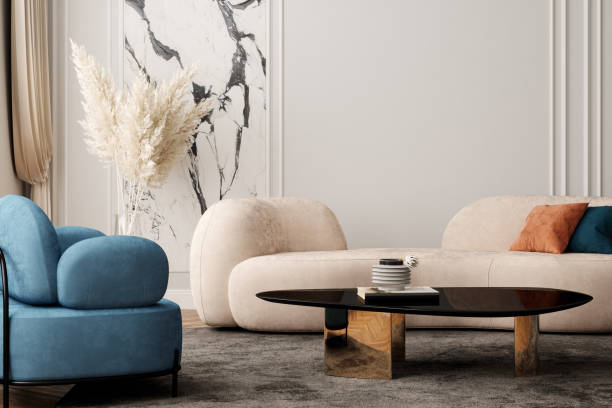
In tight quarters, every piece of furniture should do two jobs. An upholstered ottoman can be a footrest, extra seating for small living room guests, or a table if you place a wooden tray on top. Because it is soft, it is much easier to navigate around in a cramped space than a hard-edged wooden table.
7. Use Wall Lights Instead of Floor Lamps
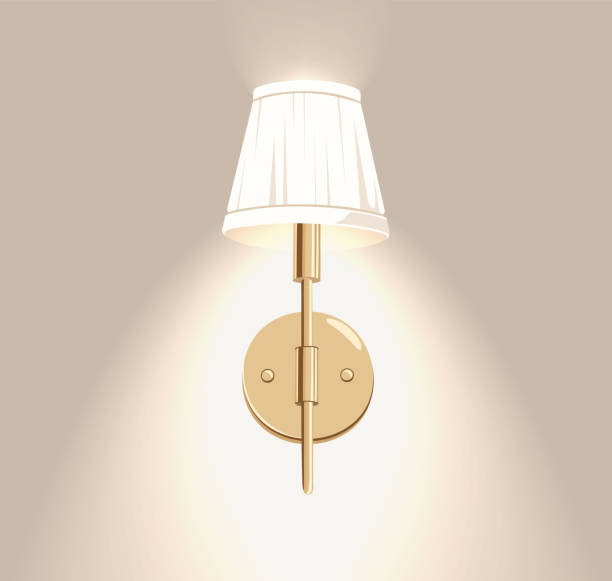
Floor lamps have bases that claim floor space. Wall-mounted sconces provide that same warm, eye-level glow without touching your floor at all. Look for plug-in versions if you are a renter; they offer a high-end look without needing an electrician.
8. Hang Curtains from Ceiling to Floor
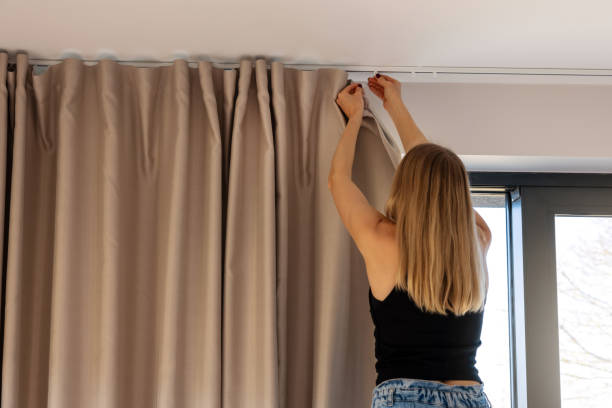
If you hang your curtains right above the window frame, you emphasize the window’s size. If you hang them from the ceiling, you emphasize the room’s height.
This vertical line tricks the brain into thinking the ceilings are much higher than they really are. Use a simple linen fabric in a color that matches your walls for a seamless, professional look.
9. Pick One Statement Piece and Build Around It
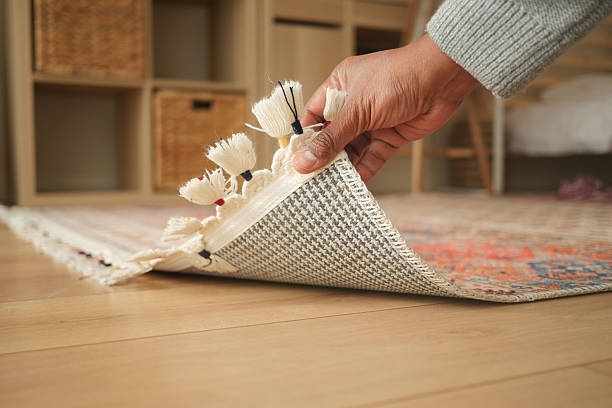
Don’t decorate with dozens of small items. This creates visual noise. Choose one big, beautiful thing—a stunning rug, a massive piece of art, or a high-end velvet chair, and let everything else be quiet. This creates a hierarchy that feels very sophisticated.
Expert Tip: If you choose a bold rug, keep your sofa neutral. If you choose a bold sofa, keep the rug simple. There should be only one hero in the room, especially when designing a luxury room.
10. Use a Narrow Console Table Behind the Sofa
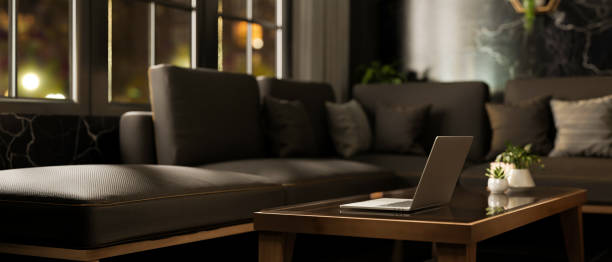
If your sofa is not against a wall, place a slim console table directly behind it. This provides a place for lamps, which helps layer your lighting, and it gives the back of the sofa a finished look. As per my personal taste, the Streamline console from West Elm is a perfect choice because it is only 9 inches deep.
11. Embrace an L-Shaped Sofa in a Corner Layout
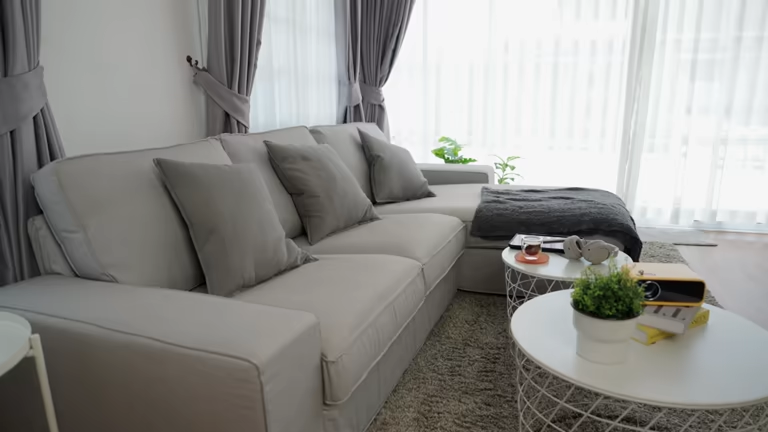
A sectional is actually one of the best furniture for small living room choices you can make. It uses the corner (usually wasted space) and provides more seating than a sofa and two chairs combined. This modern and simple designed sofa makes the room feel cohesive rather than cluttered with multiple different furniture legs.
12. Layer Rugs to Define the Seating Zone
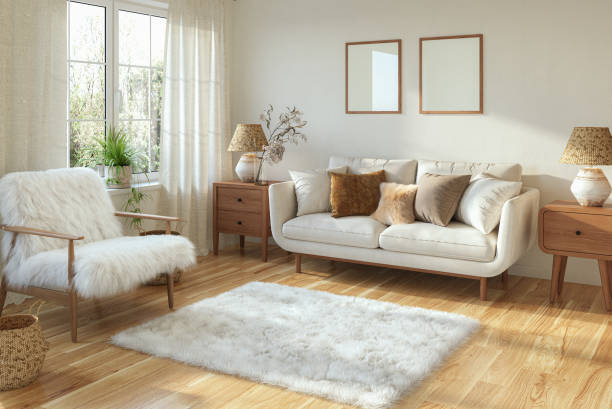
A rug that is too small is the most common mistake in small living room decorating ideas. If you cannot afford a massive, high-end rug, buy a large, inexpensive jute or sisal rug as a base and place a smaller, prettier patterned rug on top.
13. Add a Banquette to Double as Seating and Storage
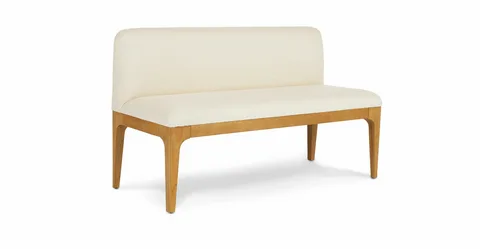
In very small homes where the living and dining areas are the same, a built-in banquette is a life-saver. It provides a clean, streamlined look and the bench seat can often flip up to hide away seasonal blankets or board games.
14. Keep the Palette Tight and Tonal
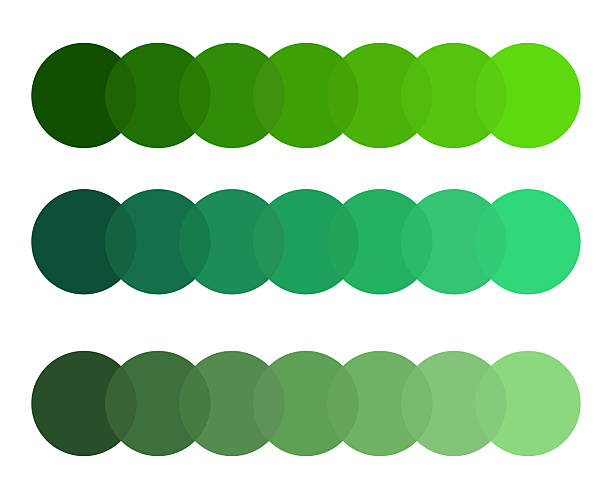
Using too many colors in a small room creates chaos. A tonal palette means using different shades of the same color e.g. creams, beiges, and tans. This creates a calm, expansive environment where the eye can move freely without being interrupted by a jarring change in hue.
15. Use Pocket Doors or Curtains Instead of Solid Dividers
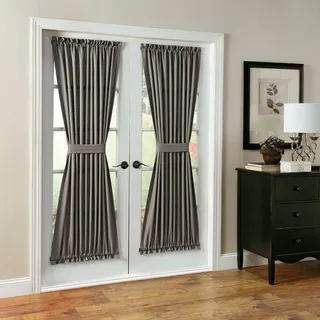
A standard door needs a lot of room to swing open. If you have the budget, a pocket door that slides into the wall is a massive space-saver.
For a cheaper version, a heavy floor-to-ceiling curtain can divide a bedroom from a living area without taking up any floor space at all.
16. Bring in One Oversized Piece of Art
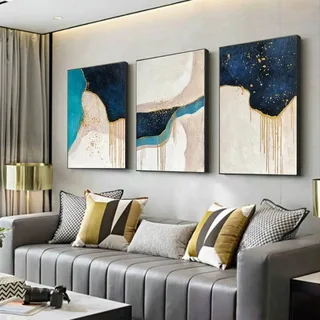
Many people think small rooms need small art. The opposite is true. One massive piece of art (at least 40 inches wide) creates a focal point and makes the room feel grander. It is a bold, editorial move that instantly elevates the space.
Expert Tip: When hanging art above a sofa, make sure the bottom of the frame is no more than 8 inches above the cushions. Too high can look like it’s floating away.
17. Place a Small Accent Chair in a Dead Corner
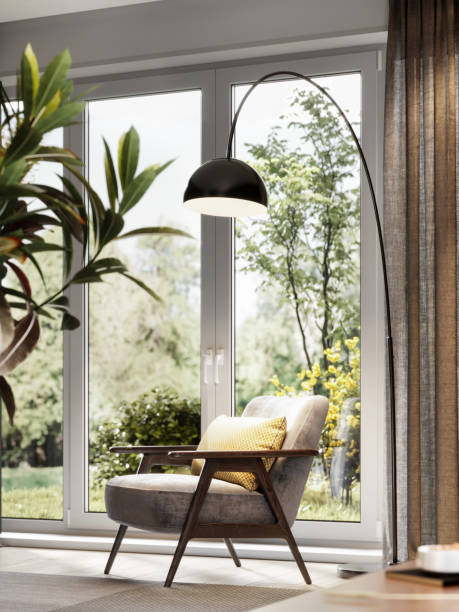
Identify that one corner where nothing happens. Instead of a plant, put a small, sculptural chair there. It adds personality and ensures you are ready for guests without needing a second full-sized sofa.
18. Mount the TV on the Wall to Free Up Floor Space
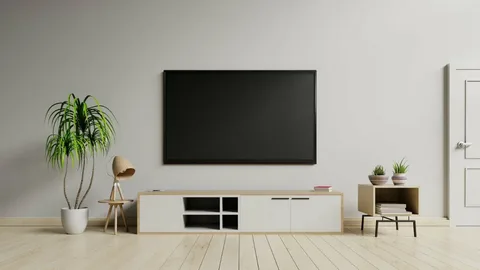
The media console is often the bulkiest item in the room. By mounting the TV on the wall, you reclaim that floor space. It makes the wall feel longer and the room feel less crowded. Use a slim wire cover painted the same color as the wall to hide the cables.
19. Choose Furniture with Exposed Legs
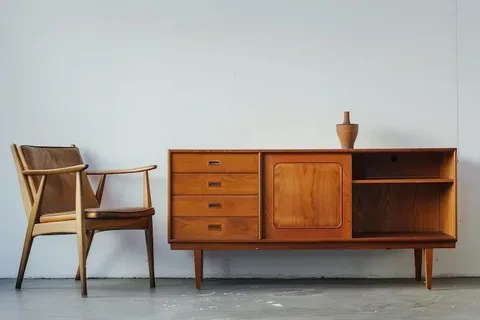
When you can see the floor continuing under a sofa or a chair, the room feels larger. Furniture that sits flat on the floor acts like a wall. Look for Mid-Century Modern styles with tapered legs; they are the gold standard for how to decorate a small living room.
20. Use a Ladder Shelf Instead of a Bulky Bookcase
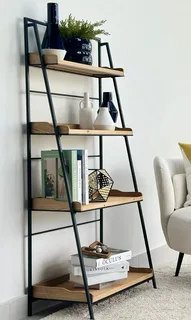
Ladder shelves are great because they get thinner as they go up. They provide storage without the heavy, boxy feeling of a traditional bookshelf. They are also very easy to move if you are a renter.
21. Add Depth with Layered Textiles and Cushions
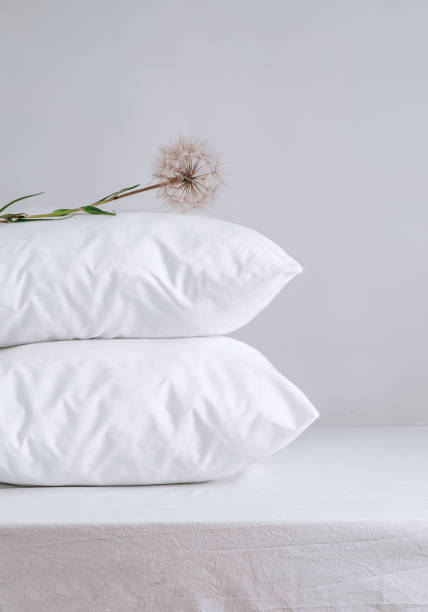
A living room with one flat fabric throughout feels two-dimensional. To create a room people actually want to spend time in, you need to layer.
Think of a linen sofa paired with velvet pillows and a chunky wool throw. This mix of materials creates a sense of luxury that has nothing to do with the size of the room.
“Texture is the most important element in a small space because it provides the visual interest that color usually does, but without the chaos.” — Rose Uniacke, Interior Designer
22. Use a Glass or Acrylic Coffee Table
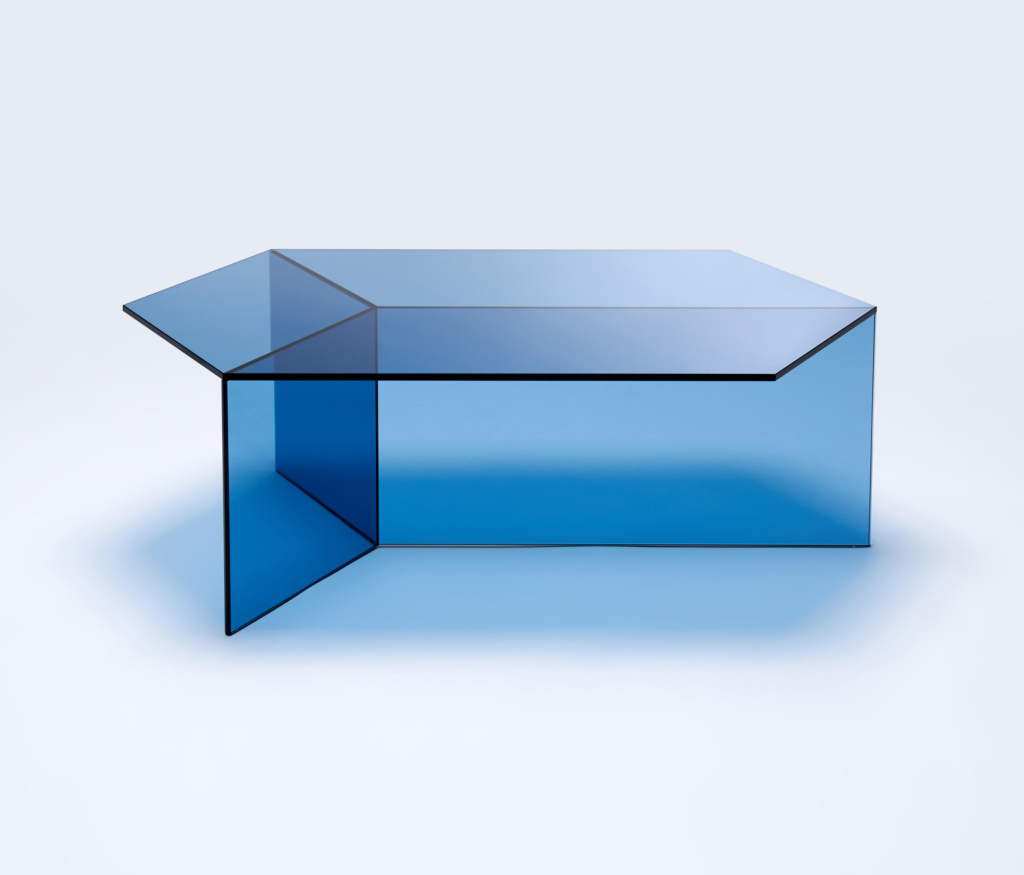
Acrylic and glass furniture are the ghosts of interior design. Beyond the modern look, they provide a sturdy surface for your coffee or books but remain virtually invisible.
In a very small living room, a solid wood table can act like a roadblock in the center of the floor. A clear table allows the eye to see the rug and the floor beyond, keeping the layout feeling completely open.
23. Install Recessed Shelving Between Studs
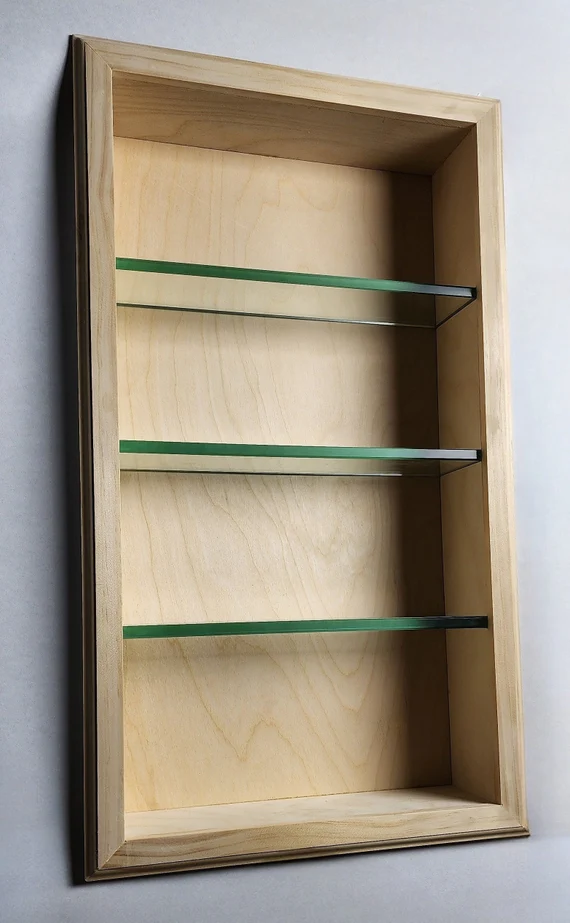
This is a classic architectural move. If you are in a position to open up a wall, you can build shallow shelving directly into the space between the structural studs. This gives you roughly four inches of depth, making it perfect for a curated collection of paperbacks or small framed photos without taking up a single square inch of your actual room.
Expert Tip: Line the back of these recessed niches with a subtle grasscloth wallpaper. It adds a surprising layer of detail that guests will only notice upon closer inspection, making the room feel custom-built.
24. Choose a Sofa Bed for Double-Duty Living
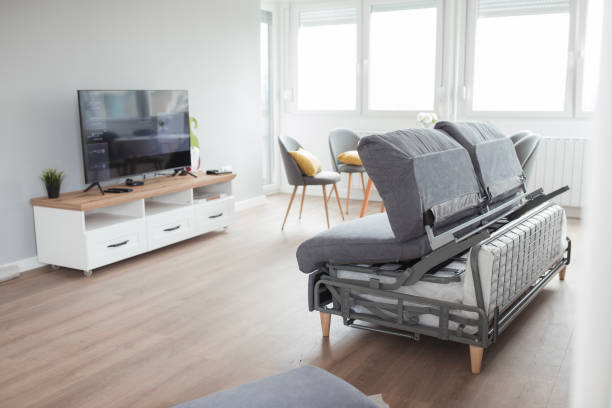
In a studio apartment, your living room is also your guest suite. Modern engineering has finally caught up to design, and brands like Innovation Living or Joybird now offer sofa beds that don’t look like lumpy afterthoughts.
Bonus Tip: When shopping for a sleeper, prioritize the opening mechanism. A click-clack style is fine for a night, but if you have frequent guests, look for a pull-out with a memory foam topper. Your guests’ backs will thank you, and the sofa remains slim and professional during the day.
25. Keep Window Treatments Simple and Light
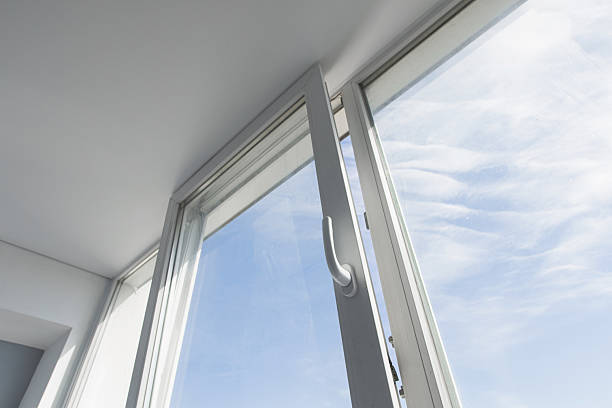
Heavy, dark drapes act like a visual stop sign. To maximize your small living room layout ideas, use light-filtering Roman shades or simple sheer panels.
- Use linen or cotton for a natural, breathable look.
- Match the color of the shade to the wall for a seamless transition.
- Avoid busy patterns that can make a small window feel cluttered.
26. Use Matching Frames to Unify a Gallery Wall
If you are determined to have a gallery wall, keep it orderly. Using identical frames with consistent matting creates a grid that feels like one singular piece of art. This organization prevents the “clutter creep” that often ruins small apartment living room ideas.
27. Anchor the Room with a Properly Sized Rug
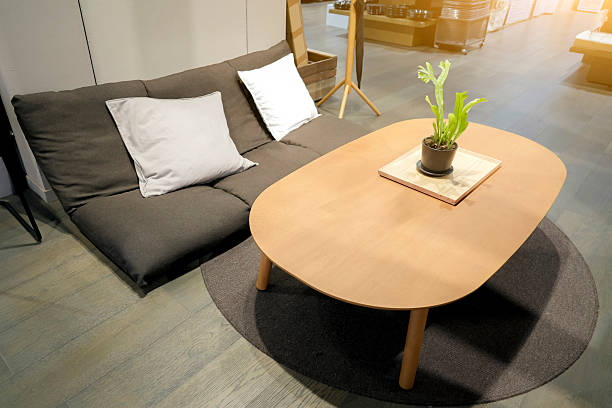
I will say this as clearly as possible: your rug is likely too small. A rug that only sits under the coffee table makes the room look like it’s shrinking.
Ideally, all furniture legs should sit on the rug, but at a minimum, the front legs of your sofa and chairs must be on it. This “anchors” the seating and defines the living zone.
28. Add Warmth with a Single Pendant or Arched Floor Lamp
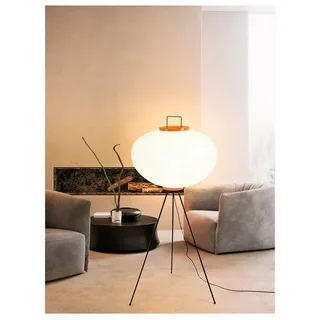
Standard overhead lighting is often harsh and flat. An arched floor lamp like the iconic Arco style will provides a sculptural element and casts a warm, targeted pool of light exactly where you need it. It’s a way to add overhead light without the cost of an electrician.
29. Curate, Don’t Collect — Edit Your Accessories Down
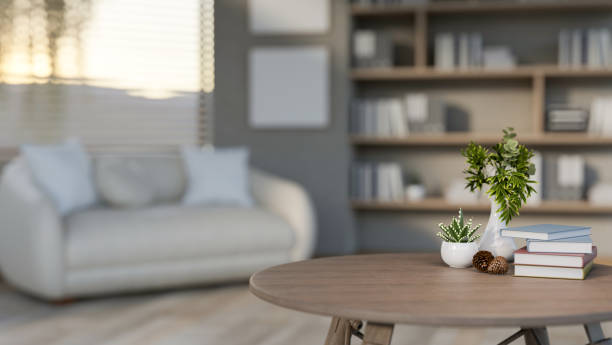
Visual clutter is the enemy of the compact home. Every few months, take a hard look at your surfaces. If a vase or a book isn’t serving a purpose or bringing you genuine joy, move it.
I personally follow the three-object rule for my coffee tables. A tray, a book, and a single decorative object. Anything more and it starts to look like a yard sale.
30. Use Vertical Space with Tall, Slim Bookcases

When you cannot build out, you must build up. A tall, narrow bookcase that reaches toward the ceiling draws the eye upward, emphasizing the height of your home rather than its width. This is a primary strategy for how to decorate a small living room.
31. Introduce Greenery with One Statement Plant
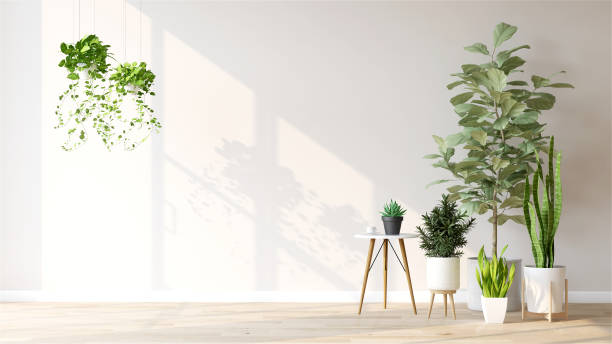
Forget the shelf full of succulents. One large, architectural plant like a Bird of Paradise or a Dracaena adds a burst of life and an organic shape that balances out the straight lines of your furniture. It makes the corner feel intentional rather than empty.
32. Try a Loveseat Instead of a Full-Size Sofa
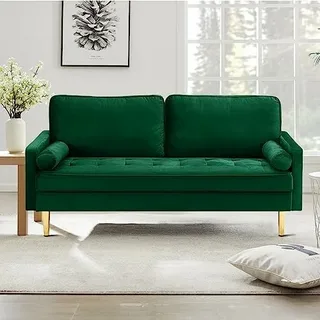
If an 84-inch sofa makes your room feel like a hallway, swap it for a 60-inch loveseat. Pair it with a small, comfortable swivel chair. This broken up seating arrangement allows for much better foot traffic and makes the seating for small living room feel more dynamic.
33. Use a Tray to Organize the Coffee Table
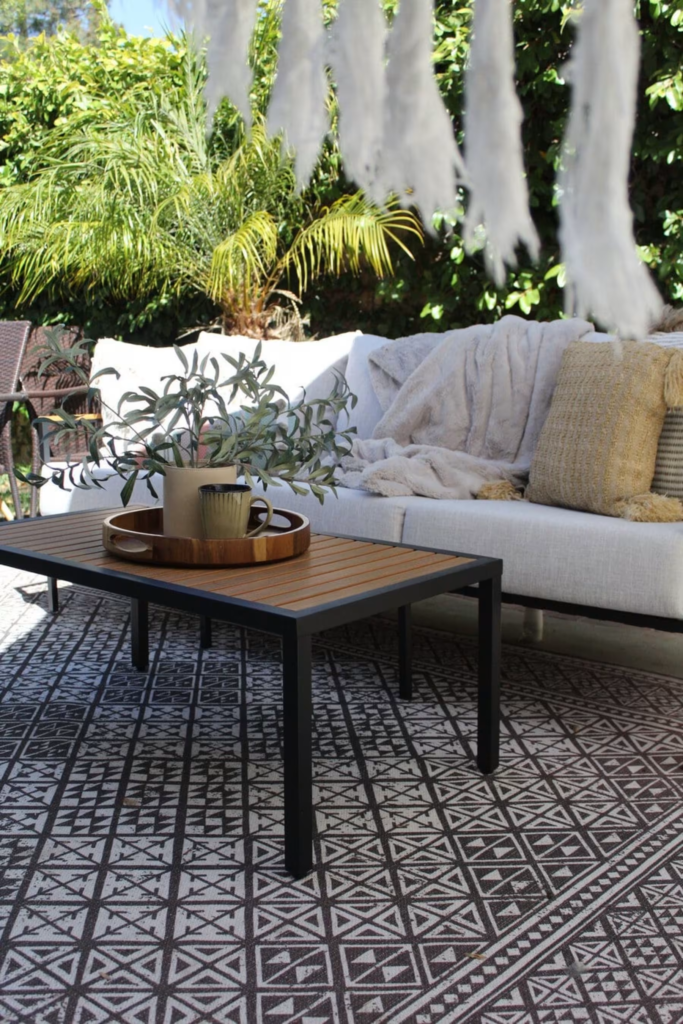
A tray acts as a frame for your clutter. By placing your remotes, coasters, and candles on a tray, you tell the brain that these items are a single unit. It is a tiny psychological trick that instantly makes a room look styled by an expert.
34. Paint the Ceiling the Same Color as the Walls
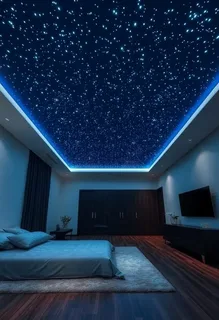
In a small room, a white ceiling creates a cap that emphasizes exactly where the room ends. If you continue your wall color onto the ceiling, you remove that high-contrast line. This creates an expansive, seamless look that can make a room feel significantly taller.
35. Choose a Skirted Sofa to Hide Clutter Underneath
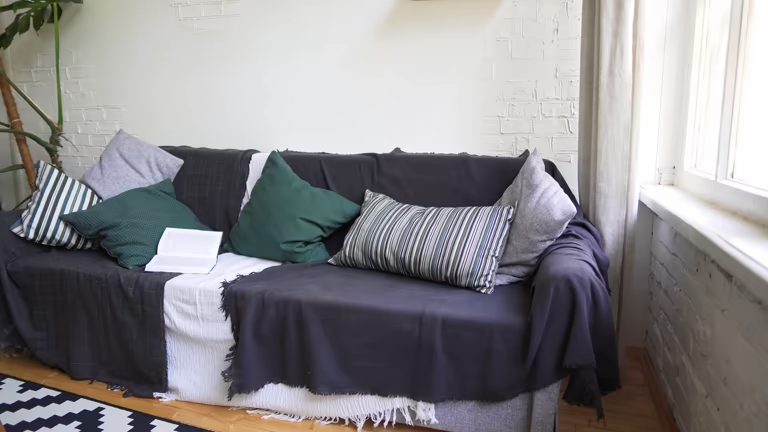
While exposed legs are great for an airy look, a skirted sofa, which is making a major comeback in 2025 and offers a functional benefit. It allows you to discreetly slide low-profile storage bins for seasonal items under the sofa, keeping them completely out of sight.
36. Use Sconces to Free Up Surface Space on Side Tables
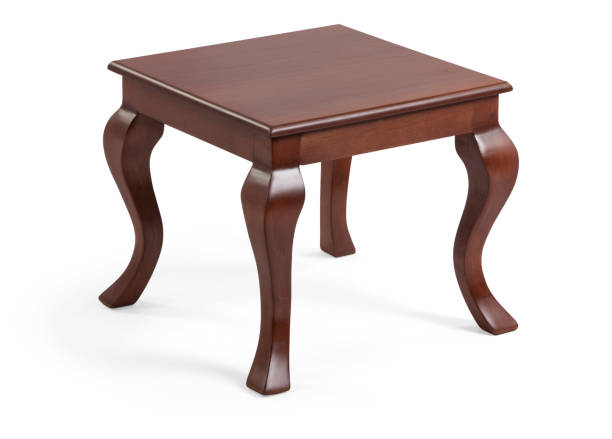
Side tables in small rooms are usually tiny. If you put a lamp on them, you have no room for your coffee or phone. Wall-mounted sconces return that surface area to you.
37. Reflect Light with Metallic and Lacquered Surfaces
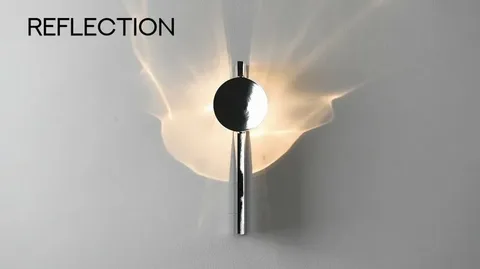
Matte surfaces absorb light, while metallic or lacquered ones bounce it. Introducing a brass side table or a glossy tray helps distribute light into the darker corners of the room.
38. Divide an Open-Plan Space with a Low Bookcase
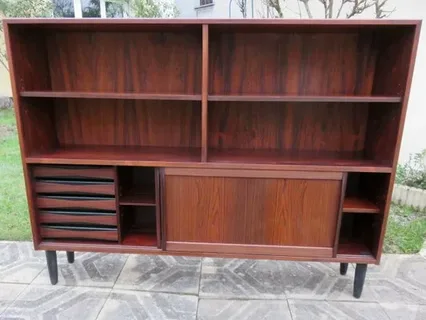
If you live in a studio, you need to define your “zones.” A low bookcase (around 3 feet high) acts as a divider that doesn’t block your line of sight. It keeps the room feeling open while giving the living area a clear boundary.
39. Use Multifunctional Furniture in Every Corner
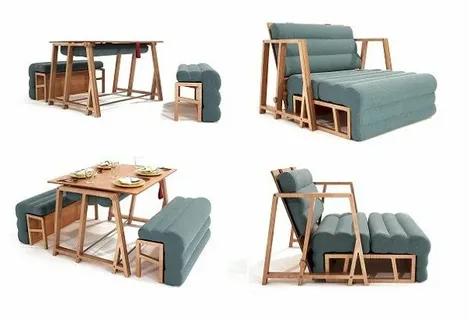
Every piece should earn its keep. An ottoman with a lid for storage, a side table that can be pulled up as a laptop desk, or a bench that hides shoes in the entryway.
40. Finish with Scent and Soft Lighting for a Cozy Atmosphere
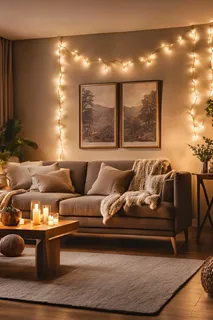
The final layer isn’t visual, it’s sensory. A high-quality candle or a reed diffuser with a woodsy or botanical scent changes the atmosphere of a room instantly.
Pair this with your layered lighting, and you’ve created a cozy living room decor that people will never want to leave.
How to Arrange a Small Living Room
Arrangement is where the best ideas either succeed or fail. The first step is to identify your focal point. Is it the TV? A fireplace? The window? Everything else should be positioned in relation to that one point.
Once the focal point is set, bring in your largest piece, the sofa. Ensure there is at least a 3-foot-wide path through the room.
If you have to turn sideways to walk past your coffee table, your layout is too tight. Professional interior designers often talk about circulation, and it is just as important in a home as it is in a city.
The Most Common Small Living Room Mistakes to Avoid
The biggest mistake is under-measuring. Most people guess the size of their room and end up with furniture that is just a few inches too large. Those inches matter.
Another frequent error is relying on overhead lighting. A single ceiling light is the enemy of a cozy room. It’s flat, it’s harsh, and it makes everyone look tired.
Finally, avoid matchy-matchy furniture sets. A room that looks like a page from a catalog feels sterile. True authority comes from mixing a vintage chair with a modern sofa.
Frequently Asked Questions
What is the best furniture layout for a small living room?
Pull your sofa four inches away from the wall to create a shadow gap that adds depth. Position seating in a conversational group facing your focal point.
How can I make my living room look bigger without a renovation?
Hang curtain rods at the ceiling to simulate height and use three lamps at varying heights to illuminate corners and push boundaries outward.
Which rug size works best for a compact space?
Go with an 8×10 rug. It anchors the furniture into a unified zone so the room doesn’t look fragmented.
Are sectionals a bad idea for small rooms?
Actually, a sectional is often more efficient. It utilizes corner space and streamlines the room by eliminating the visual clutter of multiple legs.
What colors maximize a small room’s appearance?
Use a tonal palette where the walls, sofa, and rug are similar shades. This creates a seamless, limitless feel.
How do I create a cozy feel without the room looking cramped?
Only fill one-third of your flat surfaces with decor. This provides warmth while leaving enough breathing room to avoid a suffocating atmosphere.
How do I decorate an apartment living room on a budget?
Paint is your highest-ROI tool. Also, swap out generic apartment lighting for a plug-in pendant or a vintage floor lamp to add character.