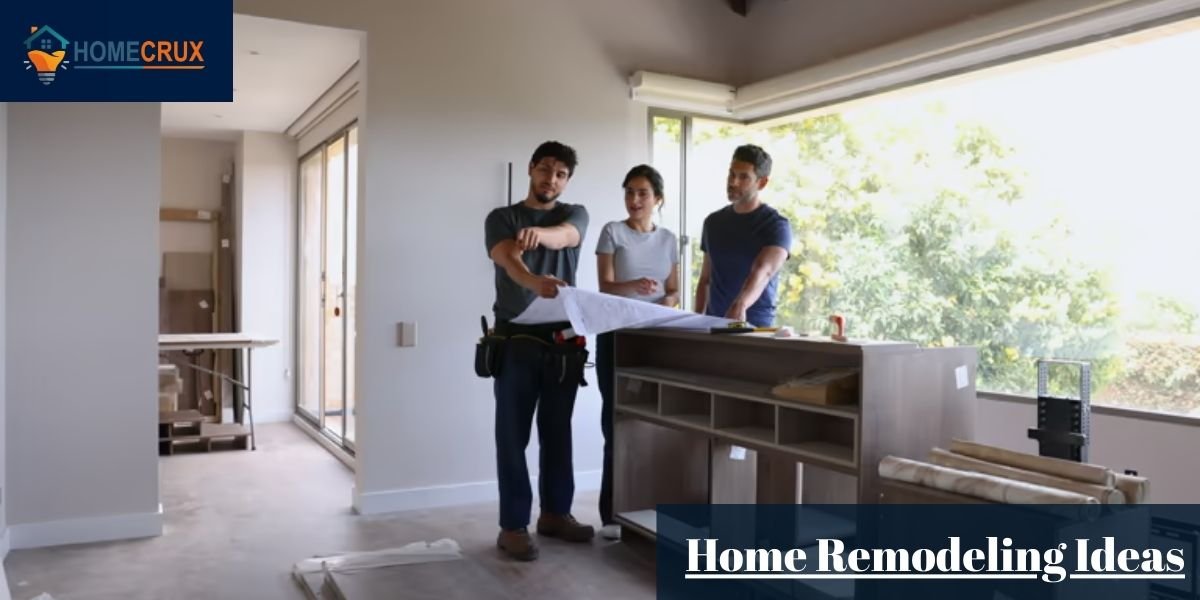
When you live in a house for long enough, you start to notice the friction points. Maybe the kitchen drawer hits the oven handle, or the master bath feels more like a utility closet than a sanctuary.
Remodeling is not just about picking a new tile or a trendier paint color. It is about re-engineering the logic of your daily life. I have spent years on job sites watching blueprints turn into living spaces. I learned that the most successful projects prioritize architectural intent and spatial flow over massive budgets.
If your home feels stagnant, the bones of the house likely no longer align with how you move through it. You do not need a decorator to tell you what is pretty. You need an expert roadmap to tell you what is functional.
What Is Home Remodeling?
Home remodeling is the process of changing the functionality and structural appearance of a space. While a Home renovation project focuses on repairing or refreshing what is already there, a remodel involves re-inventing the room’s infrastructure. It is a strategic intervention designed to improve the bones and the beauty of the property simultaneously.
#1 Whole House – Smart Home Integration
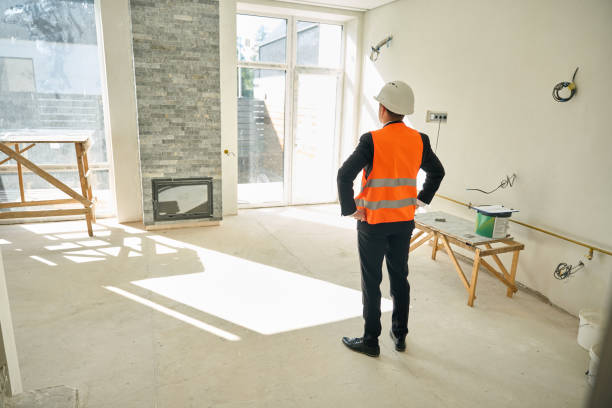
True luxury is the absence of friction. We are moving away from clunky gadgets toward integrated ecosystems. Your home climate, lighting, and security should operate as a single intuitive organism.
During a whole-house overhaul, I always recommend hardwiring Cat6a cabling directly into the walls. It creates a nervous system for the property that Wi-Fi cannot touch. Centralizing your processing hubs eliminates the visual clutter of wires and routers. This allows the architecture to speak for itself while your home intelligently manages air quality and circadian lighting patterns.
#2 Bedroom – Flexible Space Conversion
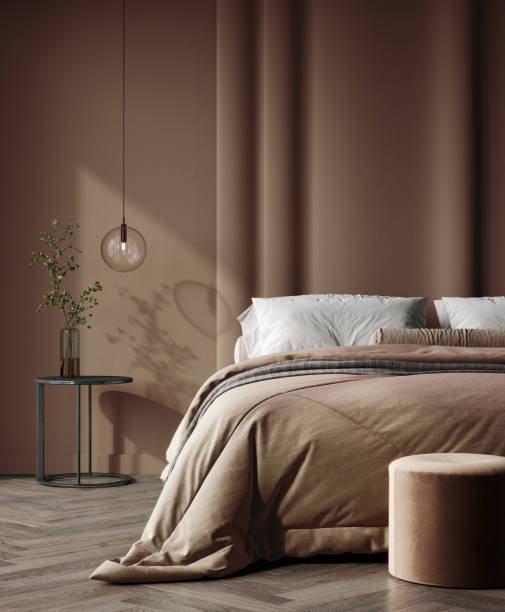
The master suite should not be a stagnant box for a bed. Many clients now request flex-zones. We carve out small portions of the room using acoustic-rated sliding panels.
This creates a dedicated pocket office or a meditation nook. It allows you to transition from a high-focus morning to a silent evening without ever leaving your private quarters. You make the room work for you 24 hours a day rather than just the eight hours you sleep.
When planning a flex-zone, ensure you have independent lighting circuits for each area. There is nothing worse than trying to sleep while your partner’s desk lamp illuminates the entire mattress.
#3 Bedroom – Walk-In Closet Remodel

A walk-in closet should feel like a high-end dressing gallery. We use wall-to-wall custom millwork and integrated LED ribbon lighting to turn the space into a curated experience.
Use floating joinery to keep the floor-line clean. This makes even small closets feel twice as large. Look at quiet luxury features like soft-close velvet-lined jewelry drawers and hidden sensors that illuminate your wardrobe the moment you step inside.
#4 Bedroom – Aging-in-Place Remodel
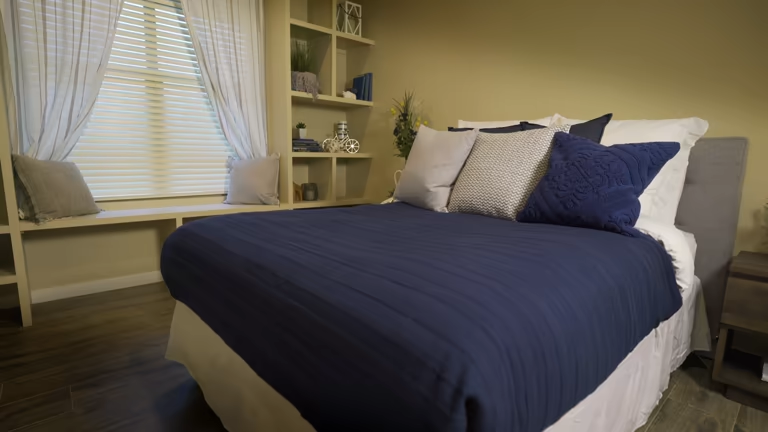
Long-view design is a smart investment. This involves wider doorways and reinforced wall blocking hidden behind the drywall to support future fixtures.
As one of the most professional home remodeling experts recently noted, “If you don’t have to replace it as you age, it’s the ultimate form of sustainability.”
The goal here is invisible safety. You are not building a clinical environment. You are integrating features like a curbless walk-in shower or a built-in stone bench. These look like intentional high-end design choices rather than medical necessities. It ensures your home remains a sanctuary for the rest of your life.
#5 Home Office – Ergonomic Seclusion

A professional home office remodel focuses on acoustic seclusion. We utilize solid-core doors and fabric-wrapped wall panels to ensure the room is dead-silent during video calls.
Beyond sound, you must address physical longevity. I often design custom standing desks that we build directly into the millwork. We pair these with layered lighting that reduces eye strain. It is a specialized environment meant to foster deep work.
#6 Living Room – Multi-Functional Spaces
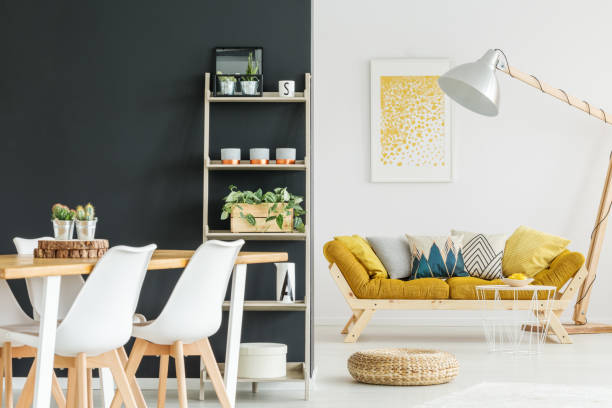
The modern living room must balance a low-friction morning with a high-sensory evening. We achieve this through built-in cabinetry that hides technology when it is not in use.
I see a major return to conversation pits or sunken seating areas. Creating tiered focal points like a dual-sided fireplace makes the room feel architecturally significant. It shifts the focus away from the television and back toward human connection.
#7 Living Room – Statement Ceiling Remodel
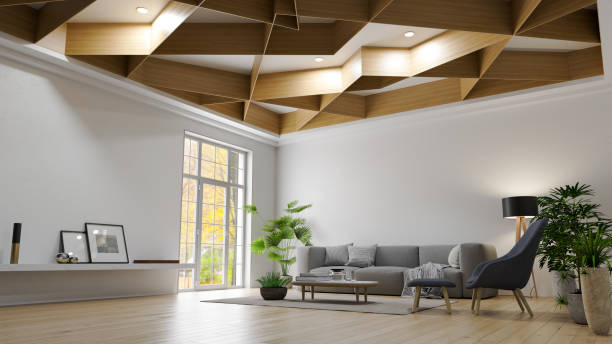
Ceilings are often the forgotten wall. From wood-paneled coffers to bold textured plasters, treating the ceiling adds an immediate sense of gravity to a room.
A statement ceiling also hides structural beams or incorporates cove lighting. This adds a layer of depth that paint alone cannot provide. It makes a standard-height room feel grand and intentionally designed.
#8 Kitchen – Open Concept & Social Zoning
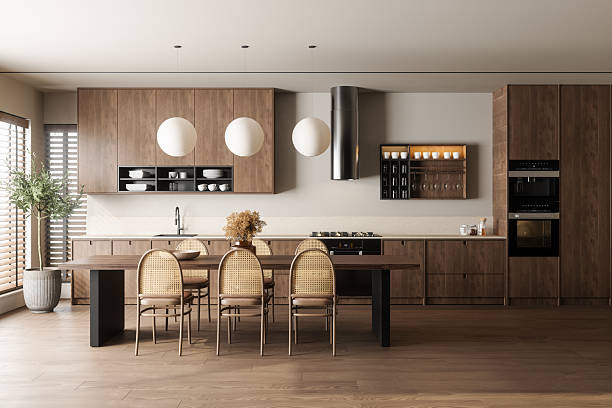
The kitchen remains the high-performance hub of the home. We remove non-load-bearing walls and install oversized islands with 48-inch walking tolerances to facilitate communal cooking.
Modern open layouts now incorporate social zoning. This means we tuck the messy prep area away in a scullery. This allows the main kitchen island to remain a pristine space for hosting. You create a stage for your life that does not get cluttered by meal prep.
Tip: Avoid the clinical white look. Instead, utilize warm mineral tones like mushroom, taupe, or oatmeal to create a beautiful, layered environment.
#9 Kitchen – Niche Beverage Stations
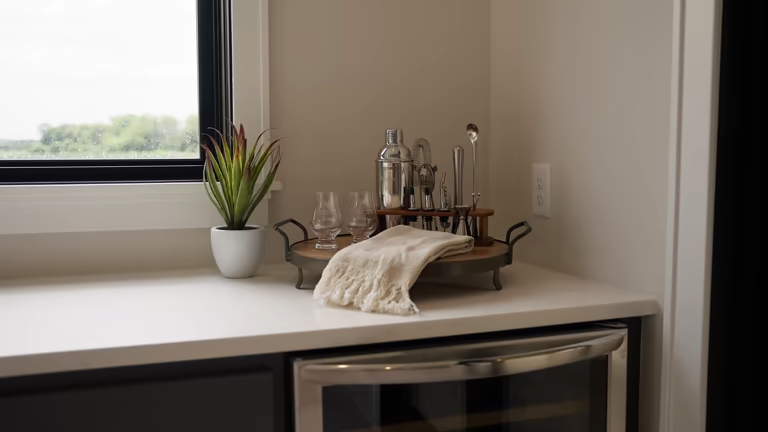
A dedicated coffee or wine station is a highly functional upgrade. These stations are plumbed directly into the house and feature hidden refrigeration.
Run an oversized drainage line for your plumbed coffee station. Espresso machines and luxury beverage taps often require more frequent flushing than people realize. Proper drainage prevents stagnant water smells in your custom cabinetry.
#10 Kitchen – Hidden Storage Solutions
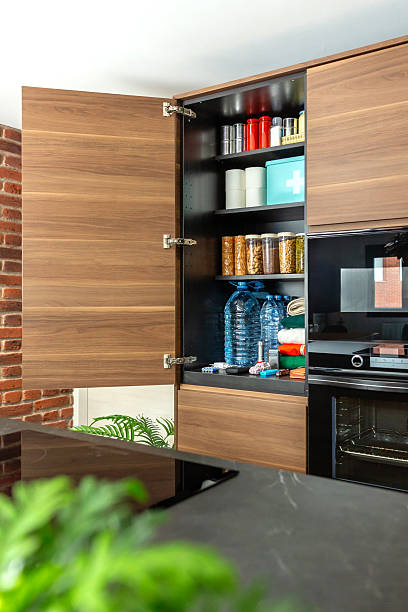
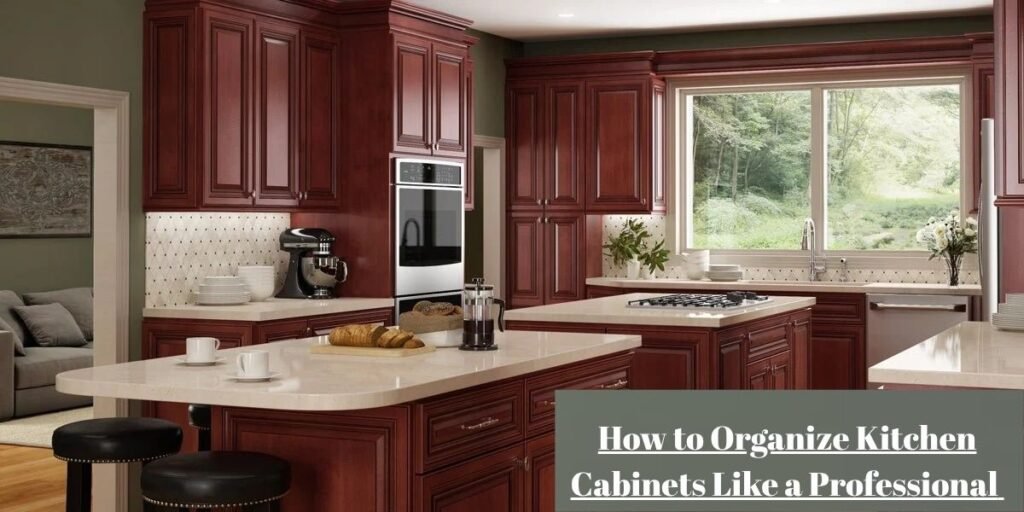
Instead of standard cabinets, many homeowners now explore kitchen cabinet ideas like appliance garages and walk-in pantries with pocket doors. The goal is to keep the countertops clear to showcase the natural stone and artisan finishes.
We use toe-kick drawers and vertical pull-outs to utilize every inch of dead space. This technical approach to storage ensures that everything has a home. It cures the countertop chaos that plagues so many older homes.
#11 Kitchen – Alcove & Nook Remodel
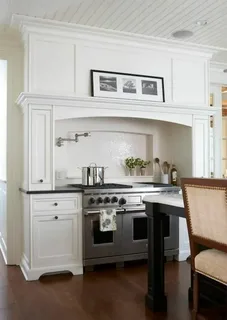
Range alcoves are making a massive comeback. Framed by custom masonry or fluted wood, they create a timeless focal point that feels like a classic European estate.
These nooks often include pot fillers and integrated spice niches to make cooking more efficient. This design choice adds visual weight to the kitchen and makes it feel like it was built to last for generations.
#12 Dining Room – Flexible Library Layout
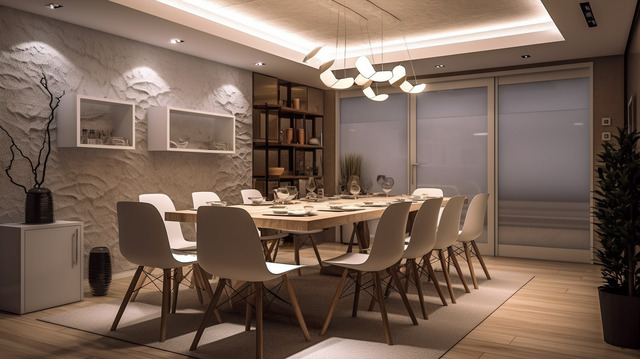
Dining rooms are transitioning into library-dining hybrids. Surrounding the table with floor-to-ceiling bookshelves makes the room a quiet study by day and a sophisticated hosting space by night.
Adjustable lighting is the secret here. Use smart-dimmers and layered fixtures to shift the mood from a bright functional workspace to an intimate dinner setting in seconds. It is the ultimate way to make a single room work twice as hard.
#13 Bathroom – Spa-Like Primary Suite
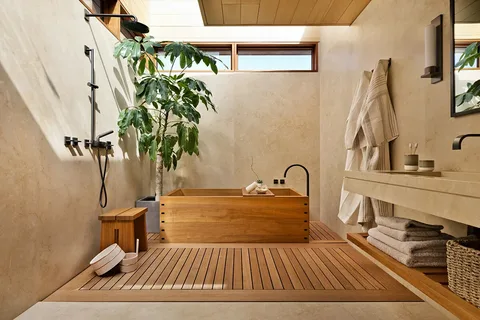
The trend for the high-end bathroom is tile drenching. We run the same large-format stone from the floor all the way up the walls.
This immersion eliminates visual clutter and grout lines to create a cave-like serenity. We see a high demand for under-mount tubs with views of private gardens and all-glass showers that make the room feel like an endless wellness retreat.
#14 Bathroom – Double Vanity Remodel
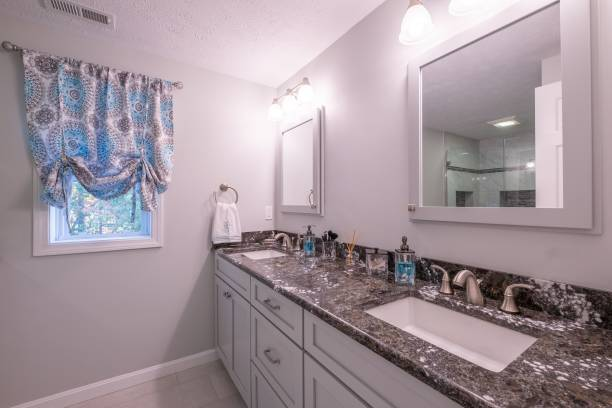
For shared suites, a split-vanity is the authoritative choice. Separating the sinks prevents traffic jams and allows for personalized storage for each user.
It’s recommended to use floating vanities for clearing the floor-line. This makes the bathroom feel larger. It also allows for the installation of kick-plate lighting. This soft glow guides you at night without the need for harsh overhead lights.
#15 Mudroom/Laundry – Functional Transition
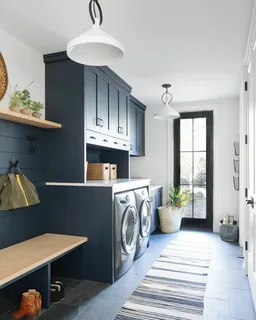
In a well-remodeled home, the mudroom is an inviting transition. We use sage green cabinetry and natural brick floors laid in a herringbone pattern to add texture while standing up to the grit of daily traffic.
Combining the laundry and mudroom creates a decompression zone. Integrated lockers with charging ports ensure that gear is organized and out of sight before it ever enters the main living areas of the home.
#16 Living Area – Open Space Structural Remodel
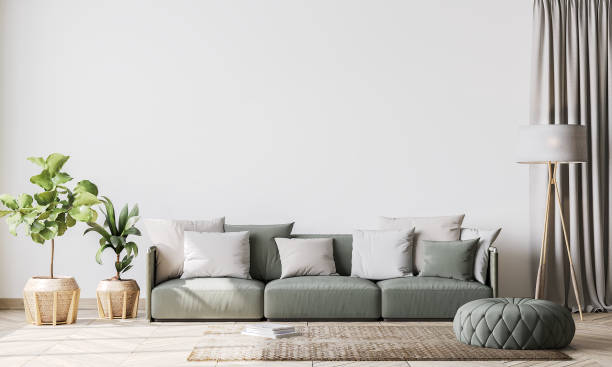
This involves re-engineering the home spine. Removing unnecessary bulk and aligning sightlines from the front door to the back yard creates a sense of infinite scale.
It is about strategic subtraction. We remove the builder-grade elements that interrupt the flow. This remodel often involves reinforcing structural headers to allow for larger spans. This gives the home a modern airy feel that maximizes natural light throughout the day.
#17 Outdoor – Integrated Patio Kitchen
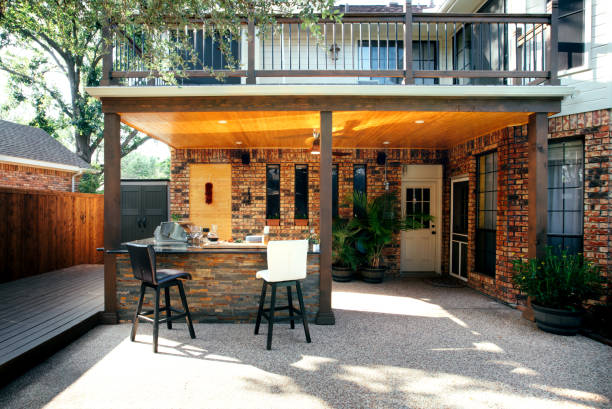
Homeowners are treating the yard as an extension of the home. This means high-end grilling stations, outdoor fireplaces, and heated seating areas that extend the use of the space into the colder months.
We use flush-threshold sliding doors to eliminate the physical bump between the inside and outside. When the doors are open, the living room and patio become a single contiguous space for entertaining.
#18 Outdoor – Roof Deck & Green Remodel
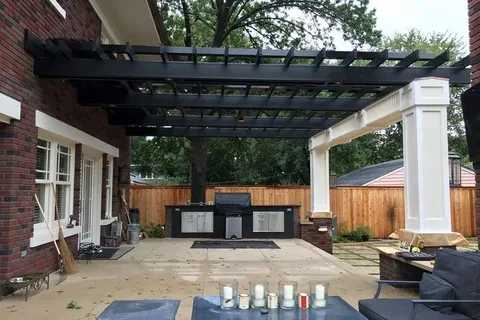
In urban environments, the roof deck is the ultimate luxury. We use sustainable green-roof materials to provide insulation for the home below while creating a lush private oasis in the sky.
This adds significant square footage in areas where ground space is at a premium. Using lightweight planters and weather-resistant millwork allows you to create a living roof that is both environmentally responsible and visually stunning.
#19 Flooring – Sustainable Material Upgrade
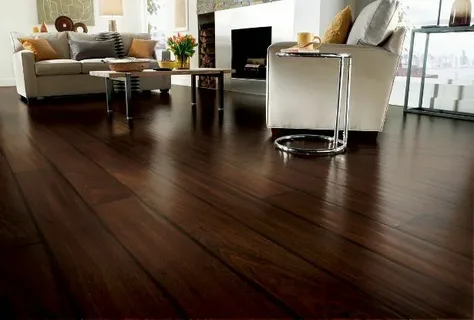
Flooring is the largest surface area in your home. It acts as the visual anchor for everything else. I see a shift away from grey-washed woods and back toward warm honest materials like reclaimed white oak.
Opt for a matte naked finish. High-gloss finishes show every scratch and dust particle. A matte finish feels better underfoot and hides the wear and tear of a busy household much more effectively.
#20 Basement – Sophisticated Entertainment Lounge
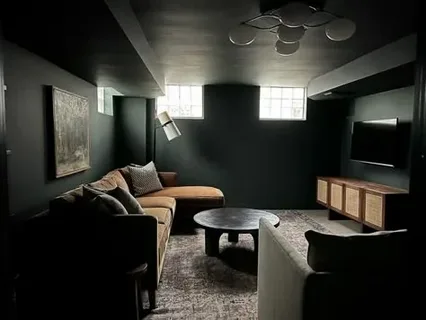
A basement should never feel like a basement. We use light-wells and saturated moody colors to create a sophisticated lounge or media room.
Hiding mechanical systems behind custom secret doors or integrated cabinetry transforms a utility space into a destination. This is the ideal area for a climate-controlled wine cellar or a high-performance home theater that does not disrupt the rest of the house.
#21 Attic – Sky-Lit Studio Loft
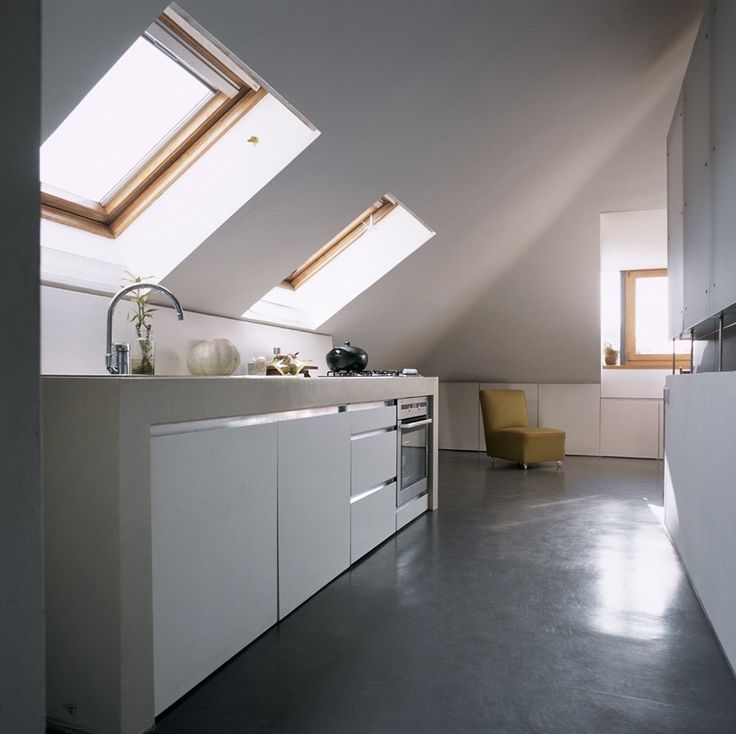
Converting an attic into a sky-lit studio adds immense value. Using spray-foam insulation and oversized dormer windows turns a dark storage space into the most desirable room in the house.
A flight of stairs separates this space from the rest of the home. This provides a natural psychological barrier. It is the perfect retreat for a guest suite or a quiet yoga studio where you can escape the noise of the household.
#22 Entryway – The Architectural Foyer
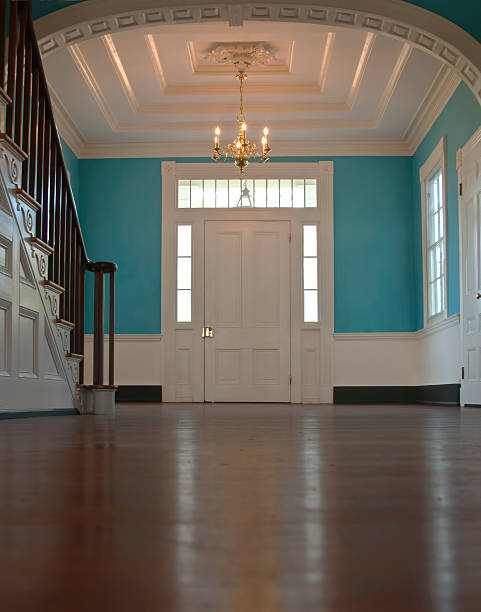
The entryway is the home hook line. A successful remodel here utilizes tactile plaster finishes and statement lighting to bridge the gap between the public world and your private realm.
I often replace standard front doors with oversized pivot doors, and this architectural change signals a high-end transition immediately. It sets the tone for the quality of craftsmanship found throughout the rest of the property.
#23 Stairs – Modern Structural Spine
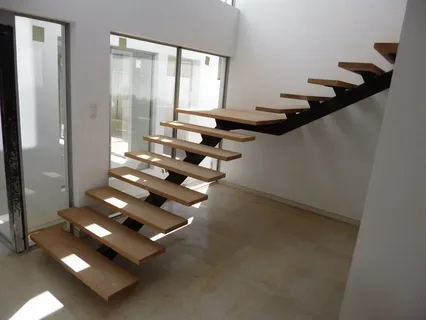
The staircase is the structural spine of the home. Replacing builder-basic balusters with precision steel or glass panels can modernize the entire visual profile of a home in one move.
Consider floating treads made of the same wood as your flooring. This creates a sense of lightness and allows light to pass through the stairs. It brightens what is often the darkest part of the home core.
#24 Ceiling – Textured & Layered Lighting
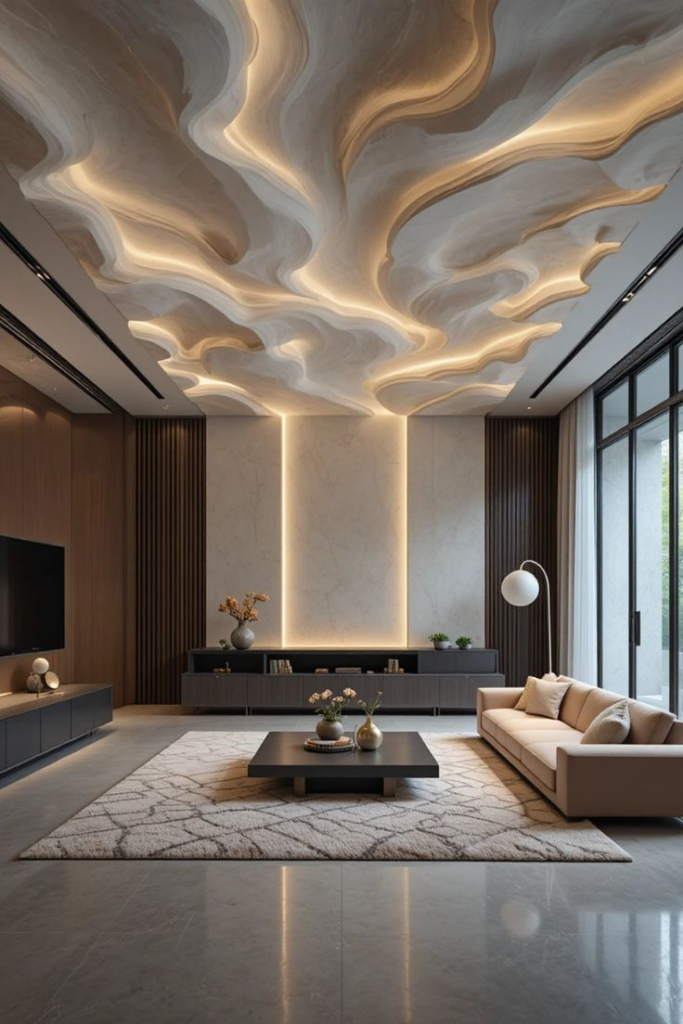
Tray ceilings with hidden LED ribbons create the illusion of height. It hides structural beams while adding a layer of architectural depth that paint alone cannot provide.
Textured plaster finishes like Roman Clay react to light in a way that flat drywall cannot. It adds a living quality to the ceiling. This makes the room feel warmer and more intentionally designed.
#25 Garage – High-Performance Conversion
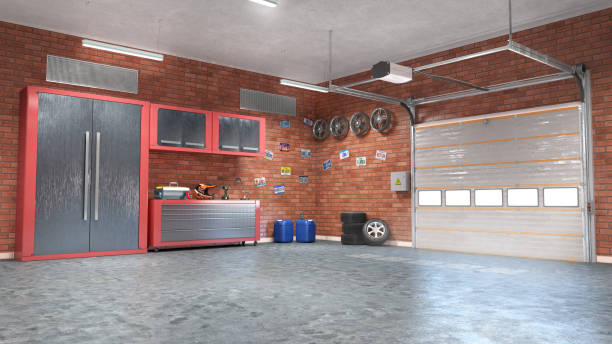
The final frontier is the garage. With epoxy-shielded floors and custom cabinetry, this space is being transformed into luxury gyms, accessory dwelling units, or artisan workshops.
Adding climate control and professional lighting ensures the garage is no longer a storage locker for cars. It becomes a functional extension of your living space. It is often the most cost-effective way to add high-utility square footage to your property.
How to Plan a Successful Remodeling Project
A remodel is a high-stakes exercise in logistics. If you do not have a plan, you have a disaster waiting to happen.
- Audit your friction points first. Before you look at a single tile sample, live in your house with a notebook. Identify every moment of discomfort. Does the kitchen door swing the wrong way? Is there no light by the closet? Fix the logic before you fix the look.
- Respect the critical path. Construction is a sequence. You cannot install cabinets until the floor is level. You cannot close the walls until the electrical is inspected. A pro-level project manages this sequence with military precision to avoid costly rework.
- The 20% contingency rule. You are going to open a wall and find something you did not expect. This might be outdated wiring, a leaky pipe, or a structural surprise. Budgeting an extra 20% is not extra money. It is the insurance that keeps your project from stalling when the unexpected happens.
- The design-build advantage. I always recommend a design-build firm. This ensures the person drawing the dream is also responsible for the cost and the execution. It eliminates the blame game between architects and contractors and keeps the project on track.
Note: Treat your contractor as a partner rather than a vendor. Clear communication about your non-negotiables regarding dust control and work hours will save your sanity during a six-month project.
Home Remodeling: FAQs
What is the difference between remodeling and renovation?
Renovation is essentially a refresh. It includes new paint, new floors, and new hardware. Remodeling is a re-invention. It involves moving walls, changing the purpose of a room, or re-engineering the structural bones of the home.
How much does a typical home remodel cost?
For high-quality work, expect to invest between $150 and $250 per square foot. This goes higher if you move plumbing or electrical systems or if you opt for rare artisan materials like book-matched marble.
Which remodeling projects add the most value?
Kitchens and primary bathrooms are the kings of return on investment. However, energy-efficient upgrades like high-performance windows and smart-home integration are becoming massive priorities for buyers. They want a future-proofed home.
Can I remodel my home on a budget?
Yes. Focus on the touch points. Upgrading builder-grade hardware to solid brass and replacing basic lighting with sculptural fixtures makes a home feel custom-designed for a fraction of the cost.
How do I choose the best remodeling contractor?
Do not just look at their finished gallery. Ask to see a job in progress. A clean, organized, and safe job site is the mark of a professional who respects your home.
Are remodeling ideas different for older homes?
Yes. Older homes require a restoration mindset. You must bridge the gap between historical soul and modern performance. Upgrade the invisible systems while preserving the architectural details that make the house unique.