A living room rarely feels complete until the rug is right. You can invest in an expensive sofa, install modern lighting, and curate beautiful wall art, yet still feel like the space is visually disconnected. In most homes across the United States, that missing element is usually found in the rug layout, texture balance, or color coordination.
After observing real-world setups in apartments from Chicago to New York and suburban homes in Texas, one reality becomes clear: most homeowners choose rugs that are too small, too dark, or entirely disconnected from their actual lifestyle. A living room area rug is not just a decoration. It anchors the room both psychologically and visually by controlling warmth, acoustics, and spatial balance.
In modern open-concept construction, rugs act as invisible walls that define how a room functions. The difference between a professionally styled space and an average one often boils down to scale, texture layering, and visual weight distribution. This is why interior designers almost always start with the rug and build the entire room around it.
Why Rugs Matter More Than Most Homeowners Realize
In contemporary interior design, rugs solve multiple structural and sensory problems simultaneously. They soften hard flooring surfaces, reduce echo in large rooms, and introduce a necessary layer of comfort. Without a rug, many living rooms feel acoustically cold and visually unfinished.
This is especially critical in newer homes utilizing hardwood, vinyl plank, or polished concrete. While these materials are practical, they create a sense of visual emptiness unless balanced with textiles. A properly sized rug immediately changes the emotional temperature of a room, making it feel intentional rather than accidental.
The functional benefits of high-quality living room carpet choices include:
- Visual organization of furniture groupings.
- Sound dampening in high-ceiling environments.
- Protection for expensive hard-surface flooring.
- Enhanced insulation and underfoot warmth.
The Biggest Rug Mistake Most People Make
The most frequent error in home decor is purchasing a rug that is undersized. This is particularly common in first homes and apartments where owners underestimate the scale of their furniture. A small rug floating in the center of a room creates a fragmented look that makes the entire space feel smaller and less expensive.
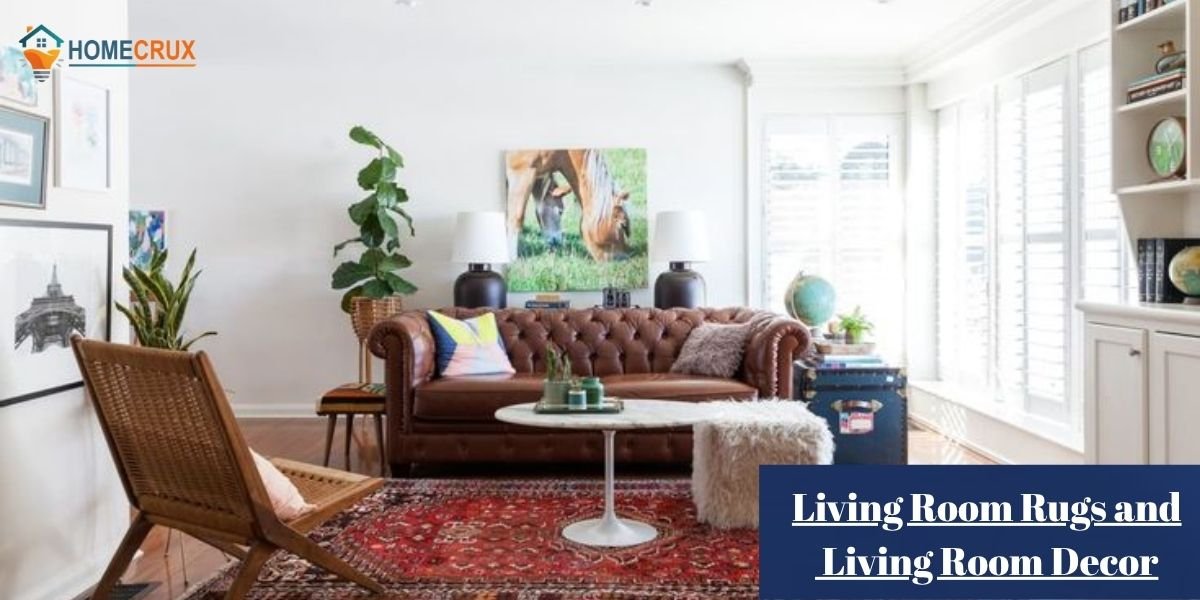
In professionally designed spaces, the rule of thumb is that at least the front legs of the furniture should sit on the rug. In larger rooms, placing all furniture legs on the rug is preferred to create a unified seating arrangement. A tiny 5×7 rug under a full sectional almost always looks mismatched, whereas an 8×10 or 9×12 creates a balanced, luxurious layout.
How to Choose the Right Living Room Rug Size
Scale dictates comfort. Choosing the right dimensions requires an honest assessment of your room’s square footage and the furniture it must accommodate.
Small Living Rooms
Compact apartments or cozy dens benefit from lighter rugs with minimal visual clutter. Choosing cream, soft beige, or light gray helps reflect light, preventing the room from feeling compressed. In these spaces, keeping furniture partially off the rug can preserve a sense of openness and flow.
Medium-Sized Family Rooms
The majority of suburban living rooms fall into this category. An 8×10 area rug usually provides the ideal coverage for standard sofas, coffee tables, and accent chairs. This size is large enough to anchor the primary conversation zone without overwhelming the perimeter of the room.
Large Open-Concept Spaces
Open floor plans require rugs to establish zones. Without them, furniture appears to drift aimlessly. Designers use 9×12 or even 10×14 rugs to define media zones and lounge sections. Large rooms can absorb darker tones and richer textures more effectively, allowing for bolder design choices.
Choosing the Right Rug Material for Real Life
Aesthetics mean very little if the maintenance of the material becomes a source of stress. The choice of material should be dictated by your household’s daily reality rather than just a style preference.
Wool Rugs
Wool remains the gold standard for long-term investment. It is naturally stain-resistant, exceptionally durable, and provides excellent insulation. While the cost is higher, wool ages beautifully and maintains its structure in high-traffic areas better than most fibers.
Synthetic Rugs
For households with pets and children, modern polypropylene or polyester rugs are often the most practical choice. The technology has improved significantly, allowing these rugs to mimic the look of expensive natural fibers while remaining easy to clean and highly resistant to moisture.
Natural Fiber Rugs
Jute and sisal have become staples in coastal and farmhouse interiors. They offer an organic, textured look that adds immediate warmth. However, they can be difficult to clean if stained and may feel rough under bare feet, making them better suited for areas where comfort is not the primary priority.
How Color Changes the Entire Mood of a Living Room
Color selection dictates whether a room feels calm, energetic, or formal. It is the primary tool for correcting architectural imbalances in a space.
Neutral rugs are dominant for a reason: they offer maximum flexibility. Tones like ivory, taupe, and greige allow you to change your seasonal decor or furniture without needing to replace the most expensive textile in the room.
Dark rugs provide a sense of visual grounding and work best in large rooms with high ceilings or abundant natural light. Conversely, patterned rugs are the most practical choice for busy homes. Subtle, vintage-inspired patterns are particularly effective at hiding minor wear and dirt while adding a timeless depth to modern furniture arrangements.
Living Room Layouts That Actually Work
Many homeowners struggle with the floating furniture problem, where all items are pushed against the walls. This ironically makes the room feel smaller. Using a rug as a central anchor allows you to pull furniture away from the walls, creating a more intimate and professional layout.
For sectional sofas, the rug should extend beyond the chaise to ensure the transition feels natural. Additionally, the coffee table should always feel centered within the rug zone. Proper spacing and proportion between these elements are what ultimately define a room’s comfort and flow.
Layering Textures Like Professional Designers
Luxury interiors rarely rely on a single surface finish. Professional designers create depth by layering contrasting textures such as wood, fabric, metal, and woven materials. This prevents a room from feeling flat or sterile, which is a common issue in newly renovated spaces with modern finishes.
A visually rich living room succeeds when it combines a soft rug texture with linen curtains, solid wood furniture, and textured throw pillows. Incorporating matte ceramics and soft ambient lighting further enhances this effect. By varying the tactile elements, you create a space that feels sophisticated and curated rather than like a showroom set.
Living Room Decor Ideas That Instantly Improve a Space
The most effective decor choices focus on the interaction between objects and the room’s architecture. Small adjustments to lighting and spacing can yield significant visual improvements.
Add Lighting at Multiple Heights
Relying solely on overhead ceiling lights is a common design pitfall. The best interiors utilize a combination of floor lamps, table lamps, and wall sconces. This creates layers of warm ambient light that change how rug textures and colors appear after sunset, making the room feel more inviting.
Avoid Overdecorating Shelves
Many living rooms suffer from visual noise because every shelf is overloaded with small items. A professional look requires a balance of space, books, and meaningful ceramics. Providing visual breathing room allows the eye to rest and highlights the quality of your chosen decorations.
Use Curtains Correctly
Short curtains that stop at the windowsill instantly reduce the perceived height of a room. In high-end designs, curtain rods are hung higher than the window frame, and the panels extend all the way to the floor. This vertical alignment draws the eye upward and makes the entire living area feel more expansive.
The Rise of Washable Rugs in American Homes
The emergence of high-quality washable rugs has transformed modern home decor priorities. Families are increasingly choosing practicality without sacrificing style. These rugs are specifically engineered for high-traffic zones, making them the preferred choice for homes with pets and young children.
Modern manufacturing now allows these low-maintenance rugs to mimic Persian patterns or vintage distressed aesthetics. Because they can be placed directly into a standard washing machine, they solve the long-term cleanliness issues associated with traditional high-pile carpets. This shift reflects a broader trend toward functional luxury in American interior design.
What Makes a Living Room Feel Expensive
An expensive-looking home is rarely the result of a high budget alone. Success is found in consistency, scale, and restraint. When a room feels intentional, it automatically feels more refined.
Common traits of high-end interiors include:
- Using oversized rugs that properly fit the furniture.
- Adhering to a cohesive color palette across textiles and wall art.
- Selecting fewer, larger decor pieces rather than many small trinkets.
- Ensuring proper furniture spacing to allow for natural movement.
- Prioritizing natural materials like stone, wood, and wool.
Mistakes That Instantly Cheapen a Living Room
Certain choices can inadvertently disrupt the harmony of a well-planned space. Recognizing these habits is the first step toward a more polished interior.
Tiny rugs are the most frequent culprit, as they make expensive furniture look disconnected. Similarly, using harsh white lighting or cool-toned bulbs can make a living room feel clinical rather than cozy. Warm-toned bulbs are essential for creating a comfortable atmosphere.
Matching everything exactly often makes a room feel outdated. Modern interiors find beauty in mixing different materials, shapes, and finishes. Avoid buying complete furniture sets from a single collection. Instead, collect pieces over time that share a similar visual weight but offer distinct textures and forms.
Final Thoughts
The most successful living rooms are not designed around temporary trends. They are built around the daily routines of the people who live in them. A rug should not only look beautiful in a photograph; it must work with your specific lighting, your floor color, and your maintenance habits.
When the rug size is balanced and the layout supports natural movement, the room immediately feels more welcoming. Design is ultimately about emotional comfort. By focusing on proper scale and layered textures, you can transform a standard living area into a space that feels both professional and personal.
FAQs
What size rug is best for a living room?
Most standard living rooms require an 8×10 or 9×12 rug. The goal is to have at least the front legs of all major seating pieces resting on the rug surface.
Are light-colored rugs bad for families with kids?
Not necessarily. With the advancement of synthetic performance fibers and washable technology, light-colored rugs can now be maintained easily even in busy households.
Should the rug be darker or lighter than the sofa?
Contrast is generally better for creating depth. If you have a dark sofa, a lighter rug will help the furniture stand out and prevent the room from feeling too heavy.
Are rugs still popular in modern homes?
Yes. Rugs are more important than ever because they provide the warmth and acoustic dampening that modern hard-surface floors lack.
What rug material is best for high-traffic living rooms?
Synthetic performance rugs or high-quality wool are the best choices. They resist stains and maintain their pile height despite heavy foot traffic.
How can I make my living room look more luxurious?
Focus on scale and lighting. Use an oversized rug, hang your curtains high, and layer your lighting with lamps rather than just using overhead fixtures.