MODERN LIVING ROOMS ARE NO LONGER DEFINED BY COSTLY ORNAMENTATION. THE NEW STANDARD REVOLVES AROUND NORDIC ARCHITECTURAL PRINCIPLES, LOW-PROFILE SILHOUETTES, AND OPEN-CONCEPT FLOW. MINIMAL, FUNCTIONAL, AND DEEPLY PERSONAL IS TODAY’S LIFESTYLE.
Are you tired or frustrated sometimes because your living rooms feel like a waiting room rather than a home? This happens because we prioritize buying items over designing an experience. A room only works when it respects the people inside it, offering a space that feels as good at midnight as it looks at noon.
Designing a modern interior requires a sharp eye for discipline and a soft heart for comfort. We are moving past the era of sterile minimalism into a phase of Warm Modernism. This is where high-end materials like white oak and travertine meet the practical, sometimes chaotic needs of a real family.
Whether you are dealing with a tight urban footprint or an expansive open-plan layout, the goal remains the same, which is a balance. You deserve a home that reflects your history while respecting your future.
Let’s get into the mechanics of high-end design and explore modern living room ideas that shows how professional strategists manipulate light, scale, and movement to create a masterpiece.
What Makes a Living Room Feel Modern Today
Modernity is no longer about looking like a spaceship. Instead, it’s about visual silence. A room feels modern today when it uses natural, honest materials to ground our high-tech lifestyles.
Square footage in new builds is slightly shrinking. This makes every inch of your modern home interior more valuable. Modernity is now about invisible luxury, the way a shadow falls across a textured wall or how a hand-scraped floor feels under your feet.
A modern room must allow the brain to stop processing clutter. This is why hidden storage and monochromatic palettes are winning right now. When you walk in, the atmosphere should feel like a deep breath.
Key Design Principles Behind a Well-Designed Modern Living Room
A room without a plan is just a storage unit for furniture. You have to think like an architect before you act like a stylist.
Creating a Clean and Comfortable Layout
The Perimeter Trap is the death of good design. This is when homeowners push every piece of furniture against the walls to save space. It actually makes the room feel smaller and more disconnected.
A professional modern living room design floats the furniture. Pull the sofa six inches away from the wall. This creates a shadow gap that adds immediate depth. You want to create an intimate island of seating where guests can talk without shouting.
I suggest leaving at least 30 to 36 inches for traffic lanes. If you have to shuffle sideways to reach your seat, the layout is broken.
Use blue painter’s tape to mark furniture sizes on your floor before you buy. It is the only way to feel the true scale of the space before the delivery truck arrives.
Choosing Materials That Add Warmth and Texture
Modern rooms can feel clinical if you don’t layer your materials. If you have a sleek leather sofa, you must pair it with a chunky wool rug or a velvet cushion. This contrast is what creates visual heat.
Always look for living finishes, materials like unlacquered brass or natural stone will develop a patina over time. It shows that the house is being lived in. This makes living rooms feel authentic rather than manufactured.
Mix at least three different textures. Try a smooth stone coffee table, a rough-hewn wooden bench, and a soft linen sofa. This variety keeps the eye interested and the room feeling human.
Balancing Natural Light and Artificial Lighting
Lighting is the secret sauce. You should never rely on a single overhead big light. It flattens the room and kills the mood.
A well-lit room uses layers:
- Ambient: A general, dimmable glow for sight.
- Task: A focused floor lamp for reading.
- Accent: Small LED “puck lights” to highlight art.
The best modern homes now use Circadian Lighting. These bulbs change from bright white in the morning to amber in the evening. This doesn’t just look better; it helps regulate your sleep-wake cycle.
Designing Spaces That Feel Open but Lived-In
A room that is too perfect is actually uncomfortable for guests. Avoid showroom effect, rather use intentional clutter to add soul.
Group your books and candles on a single tray. This frames the items so they look like a styled vignette rather than a mess. While, it can be okay to see a blanket on a chair. That is the reality of a home.
Pro Tip: Choose items that have a high memory value. A clay bowl from a trip or a vintage book adds a layer of depth that a store-bought accessory can never replicate.
Modern Living Room Ideas That Work in Real Homes
Warm Minimalist Living Rooms That Feel Inviting
This is the top design trend. It uses the less is more rule but swaps cool grays for mushroom, ochre, and terracotta. It feels big because the colors are light, but it feels cozy because the tones are earthy.
Warm minimalism works best when you keep the walls the same color as the ceiling. This “erases” the corner lines and makes the room feel like a seamless, airy cocoon. It is the ultimate trick for making a standard 8-foot ceiling feel much higher.
Nature-Inspired Living Rooms with Organic Materials
Biophilic Design is more than just a plant in the corner. It’s about using raw materials like a walnut coffee table or a stone fireplace. Living with organic materials can lower your stress levels significantly.
Research shows that environments with natural elements improve cognitive function by up to 15%. I suggest using “raw” wood over highly polished surfaces. The natural grain provides a visual roughness that balances out the smooth glass of modern electronics.
Modern Spaces Designed Around Natural Light
If you have large windows, do not hide them behind heavy drapes. Use “Sheer Linen” panels. They filter light and provide privacy but keep the room feeling airy.
Place a large mirror directly opposite your window. This effectively doubles the light and gives the room a boundless feel. This is especially important during winter months when natural light is scarce.
Living Rooms That Blend Contemporary and Vintage Pieces
A room with only new furniture feels flat. Mixing a vintage 1970s chair with a sleek new sofa adds history. It makes the room look like it grew over time.
Look for mid-century silhouettes. Their low profiles work perfectly with modern, low-slung Italian sofas. This mix creates a curated look that suggests you have taste, not just a credit card.
Small Living Rooms Designed for Urban Homes
In a small apartment, you have to be clever. Use furniture with legs rather than skirted bases. When you can see the floor continuing under the sofa, the brain perceives the room as larger.
I recommend a glass or acrylic coffee table for tight spaces. It provides the function you need without taking up any visual weight. It’s an invisible workhorse for modern living room decor ideas.
Modern Family Living Rooms That Balance Comfort and Style
Families need storage that is easy to access. Use stylish woven baskets under a console table to hide toys and blankets when guests arrive.
Choose rounded edges for your coffee table. This is safer for toddlers and creates a softer aesthetic than sharp corners. I recommend looking at the Pottery Barn living room collections. Their performance fabrics can be cleaned with simple water, which is a lifesaver for parents.
Open-Concept Living Rooms That Flow with the Home
In an open-plan house, use rugs to define different zones. A large rug under the seating area tells the brain where the living room ends and the dining room begins.
Keep the wall color consistent throughout the entire floor. This creates a long view that makes the whole house feel significantly larger. Use a consistent flooring material, like wide-plank white oak, to tie everything together.
Decor Choices That Instantly Improve a Living Room
How Wall Art Changes the Personality of a Room
Art is the final layer. Most people hang their art way too high. The center of the piece should be at eye level, which is roughly 60 inches from the floor.
One massive, oversized canvas is almost always better than a cluttered gallery wall. It creates a singular focal point that makes the ceiling feel higher. If you are on a budget, frame a large piece of high-quality wallpaper or a vintage textile to create an editorial look.
Using Rugs and Textiles to Add Depth
Your rug is the foundation. If it’s too small, the room looks cheap. For a standard living room inspiration, you almost always need an 8×10 or 9×12 rug.
Ensure the front legs of all your chairs and sofas sit firmly on the rug. This “connects” the furniture and prevents the room from looking like a series of disconnected islands. I suggest a low-pile wool rug; they are durable while maintaining a high-end look.
Lighting That Creates Atmosphere Instead of Just Brightness
Stop using your ceiling light. Use floor lamps and table lamps to create warm pools of light at eye level. This makes the room feel expensive and inviting at night.
I suggest using warm white bulbs (2700K). This mimics the glow of a sunset and makes skin tones look better. It turns a boring room into a high-end lounge with one flip of a switch.
Decor Accents That Make a Living Room Feel Finished
Small details matter. A stack of coffee table books, a sculptural candle, and a single ceramic bowl make a room look professionally designed.
“Design is not just what it looks like and feels like. Design is how it works.” — Steve Jobs
Keep your accessories to a Rule of Three. Grouping items in odd numbers is more pleasing to the eye. Mix different shapes and heights to create a more dynamic and human look.
Furniture Pieces That Define a Modern Living Room
Choosing the Right Sofa for Your Space
The sofa is the anchor. For a modern look, I suggest a Track Arm design with a tight back. Avoid overstuffed cushions that look like marshmallows, because they lose their shape quickly and make the room look sloppy.
Invest in a kiln-dried hardwood frame. It costs more upfront, but it won’t squeak or break. This is where you should spend the majority of your budget.
Accent Chairs That Add Character Without Clutter
Accent chairs are your chance to be bold. If your sofa is neutral, use a chair in a pop of color like terracotta or forest green.
Choose a chair with a different silhouette than your sofa. If you have a blocky sofa, look for a chair with curved lines to create balance. This visual tension is what makes a room feel professionally styled.
Coffee Tables That Anchor the Entire Room
Your coffee table should be roughly two-thirds the length of your sofa. Fluted designs and heavy stone materials are the items right now.
A marble coffee table provides a heavy, permanent feel that grounds a room full of soft fabrics. If you have kids, look for drum style tables with no sharp corners. They are stylish and much safer.
Smart Storage That Keeps Living Rooms Organized
Modern storage should be stealthy. Use a low sideboard to hide media boxes and cables. Keeping the floor clear under your cabinets makes the room feel much airier.
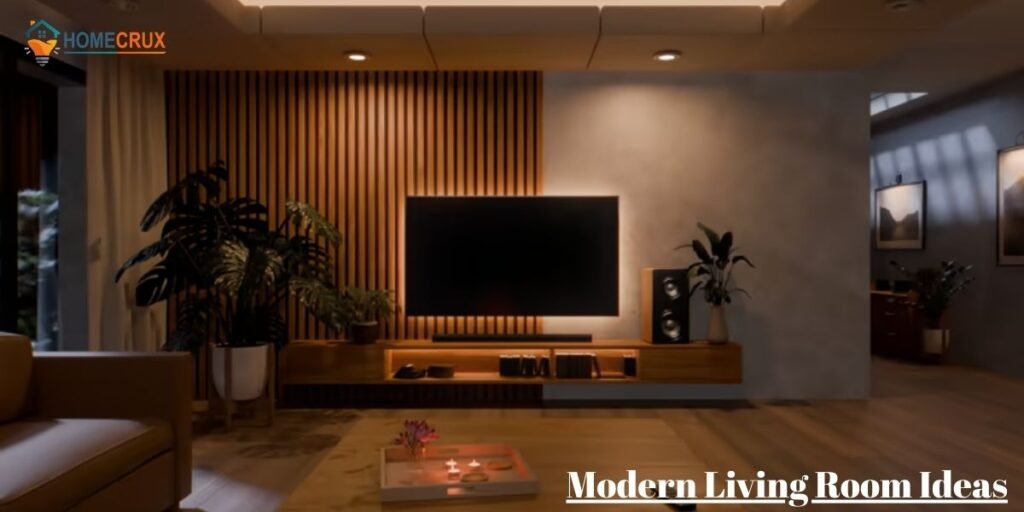
I suggest wall-mounting your media console. Removing the legs from the floor creates a floating effect that instantly modernizes the room. It also makes cleaning much easier.
How to Create a Cozy Living Room Without Losing a Modern Look
Coziness comes from sensory layering. Use a mix of soft textiles, natural wood tones, and warm lighting to take the edge off a modern layout.
Don’t be afraid of blank space. A room that is too full feels heavy. Leaving one wall empty or a corner open allows the eye to rest and makes the environment feel peaceful. It is the architectural equivalent of a deep breath.
Living Room Color Ideas Designers Are Using Right Now
Designers are moving away from cool grays and toward warm neutrals.
- Sage Green: A calming, natural tone that works well with wood.
- Deep Ochre: Adds warmth and a vintage feel to a new room.
- Soft Black: Perfect for window frames to add drama.
A tonal palette, where you use different shades of the same color—creates the most sophisticated look. It feels cohesive without being boring.
Simple Layout Tips That Make Living Rooms Feel Bigger and More Comfortable
Measure twice and buy once. Before buying furniture, use painter’s tape on the floor to mark out the dimensions of the pieces you want.
Ensure you have at least 15 to 18 inches between your sofa and the coffee table. This is the perfect distance to reach your drink without feeling cramped. It sounds like a small detail, but it’s the difference between a room that works and one that feels frustrating.
How to Refresh Your Living Room Without a Full Renovation
You can change the look of your room by simply editing what you have. Remove three items you don’t love and watch how the room suddenly feels fresher.
Swapping your hardware by replacing generic drawer pulls on your media console with brass or leather ones is a $20 upgrade that looks like $200. It is the easiest way to modernize a piece of furniture you already own.
A modern living room is a work in progress. It should change as you do. Focus on quality, movement, and light, and you will have a space that stays stylish for a lifetime.
Frequently Asked Questions About Modern Living Rooms
How do you make a living room look more modern without replacing furniture?
Update your lighting and hardware. Swap out old yellow light bulbs for 2700K Warm White LEDs. Replace dated cabinet handles with matte black versions.
What colors make a living room feel more relaxing?
Look at the New Neutrals: sage green, pale clay, and greige. These colors have a low saturation level, which helps the brain relax.
How can you decorate a small living room without making it feel crowded?
Use a Tonal color palette. When the walls, the curtains, and the sofa are all similar shades of the same color, the boundaries of the room disappear.
What furniture pieces matter most in a living room?
The Big Three are the Sofa, the Rug, and the Lighting. If you get these right, you can fill the rest of the room with budget items and it will still look high-end.