The shift in home decoration over the last few years has moved away from staged perfection toward a concept known as emotional durability. In my experience consulting on residential projects, I have found that a room only truly succeeds when it supports your mental well-being and daily physical habits.
Designing for a screen is easy, but designing for life requires a deeper understanding of human movement. In the United States, the current interior design trends are heavily influenced by a desire for organic textures and furniture that tells a story, rather than mass-produced sets that lack character.
To truly master home design, you must move beyond picking pretty objects and start thinking about the scale of your furniture, the temperature of your lighting, and the flow of movement through your home interior.
This guide covers everything from the 60-30-10 color rule and layering light to specific furniture placement strategies that define a high-end home interior. You will learn how to identify a focal point and why mixing materials like boucle, walnut wood, and brushed brass is the secret to a professional finish.
By the end of this article, you will have a clear roadmap to execute a home decoration project that feels curated, intentional, and timeless.
Start with how you actually live in your space
Before searching for home decoration ideas, you must perform a lifestyle audit. One mistake I see again and again is people designing for a version of themselves that does not exist.
I once worked with a client who insisted on a delicate white velvet sofa despite having three large dogs and a toddler. Within months, the design was a source of stress rather than comfort.
Real expertise in interior decorating ideas starts with identifying the friction points in your current layout. If you constantly find yourself moving a chair to see the TV or tripping over a rug, your design is failing your lifestyle.
Modern American homes often feature open floor plans which require zoning to feel cozy. Without proper planning, these large spaces can feel cold and industrial. To fix this, experts suggest looking at specific functional areas that dictate how you move through the house.
To ensure your home works for you, consider these specific functional zones:
- Entryway Drop Zones: Check if you have a place for keys, mail, and shoes immediately upon entering. A console table like the Pottery Barn Griffin or a simple bench can solve this.
- Conversation Circles: In the living room, seating should be no more than 8 feet apart to facilitate easy talking without shouting.
- Work-Life Borders: If you work from home, your desk should not face your bed or your sofa to maintain a psychological boundary between rest and labor.
Use the 60-30-10 rule to keep your colors balanced
The 60-30-10 rule is the industry standard for achieving a balanced color palette. It prevents a room from looking too busy or too sterile. This ratio ensures that your home interior has a clear identity while allowing for enough contrast to keep the eye moving. Many homeowners struggle with picking a white because they do not realize that paint has complex undertones.
For instance, Benjamin Moore White Dove has a warm yellow undertone that works beautifully with wooden floors, while Sherwin-Williams Extra White is cooler and better suited for modern, high-contrast spaces with lots of glass.
When I redesigned a small living room in a traditional townhouse, we used this formula to make the space feel twice as large. By keeping the dominant 60% light and airy, we could afford to be bold with the remaining percentages.
Apply the color ratio effectively by dividing your choices:
- 60% Dominant Color: This is usually your walls or largest upholstery. Neutral tones like mushroom, taupe, or soft greige are currently trending over stark grays.
- 30% Secondary Color: This provides the depth. Think of large area rugs, curtains, or an accent wall. Deep navy or earthy terracotta are excellent choices for this layer.
- 10% Accent Color: This is your jewelry. Small items like throw pillows, vases, or hardware should carry this color to tie the room together.
Layer your lighting instead of relying on one source
Lighting is the single most important element in home design, yet it is often the most neglected. If you rely solely on a ceiling boob light or recessed cans, your home will feel flat and clinical. A professional home interior requires three distinct layers of light to create a sense of height and warmth.
The secret to a high-end feel is the Color Rendering Index (CRI) of your bulbs. Aim for bulbs with a CRI of 90 or higher. This ensures that the colors of your furniture and rugs look true to life rather than washed out.
In most homes I have worked on, simply switching to warmer bulbs and adding a few floor lamps did more for the atmosphere than a new set of furniture.
The three essential layers of light include:
- Ambient Lighting: This is your general overhead light. It should be diffused and always connected to a dimmer switch.
- Task Lighting: This is functional light. Examples include the West Elm Curvilinear Floor Lamp for reading or under-cabinet LED strips for kitchen prep.
- Accent Lighting: This is used to highlight features. A picture light over a large canvas or a small table lamp on a stack of books adds immediate sophistication.
Give each room a clear focal point
Every successful home decoration project needs an anchor. Without one, the furniture looks like it is just floating in space. A focal point gives the room a purpose and a starting point for the rest of your home design. In many U.S. living rooms, the fireplace is the natural focal point.
However, if your home lacks one, you can create a synthetic focal point. This could be a massive piece of art, a dark-painted accent wall, or a statement piece of furniture like the Restoration Hardware Cloud Sofa.
Once the focal point is established, the rest of the room falls into place. You no longer have to guess where to point the chairs or where to hang the mirror.
To enhance your focal point, try these expert tactics:
- Orient Your Seating: Arrange your chairs and sofa to face the focal point, not away from it.
- Use Focused Lighting: Point a directional spotlight or an adjustable wall sconce toward the focal point to draw the eye.
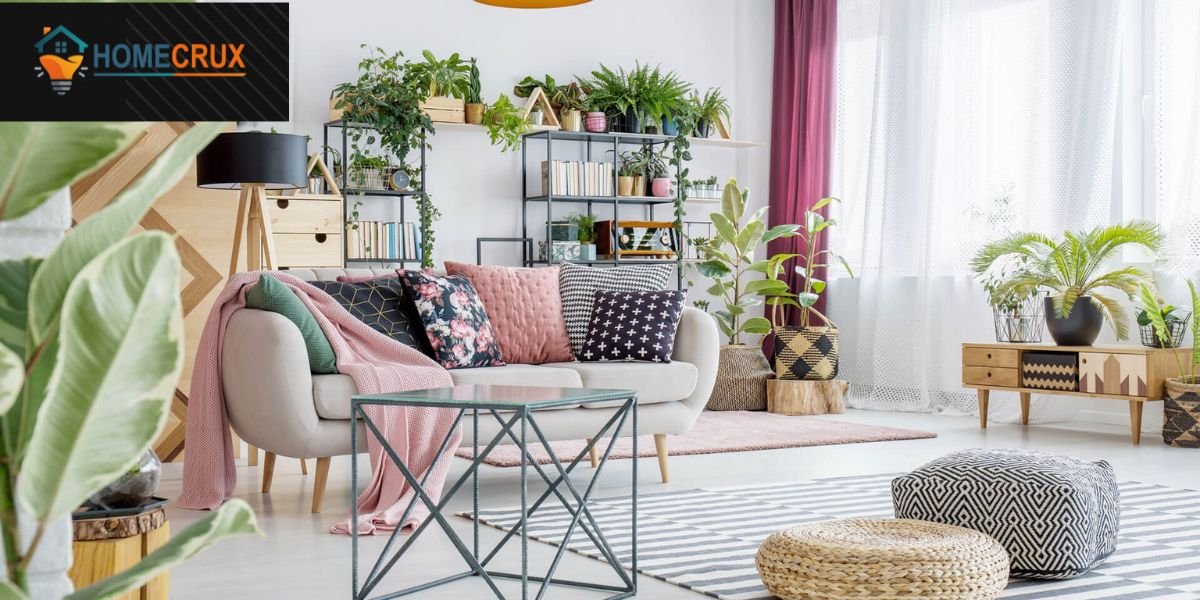
- Frame the View: Use tall plants or bookshelves on either side of the focal point to create a frame that emphasizes its importance.
Don’t push all your furniture against the walls
One of the most persistent myths in interior decorating ideas is that pushing furniture against the walls makes a room look larger.
In reality, it makes a room look like a gymnasium or a waiting room. Floating your furniture creates a sense of luxury and makes the space feel more curated.
By pulling your sofa even 6 to 12 inches away from the wall, you create shadows and depth that make the room feel more expansive. This also allows for better air circulation and prevents that stiff look that many DIY homes suffer from.
I often tell clients that a room needs breathing room. If every piece of furniture is gasping for air against the drywall, the energy of the room feels stagnant.
Follow these furniture placement tactics:
- The Area Rug Rule: Ensure your rug is large enough so that at least the front legs of all seating furniture sit on it. This anchors the floating pieces.
- Console Backing: Place a thin console table behind a floating sofa. This provides a surface for lamps and decor, adding another layer of depth.
- Pathway Clearance: Always leave at least 30 to 36 inches of walking space between furniture pieces to ensure the room feels breathable.
Mix different textures to avoid a flat look
Texture is what makes a room feel expensive. If everything in your living room is smooth—smooth walls, smooth leather, smooth glass—the space will feel cold.
A real expert knows that home interior success lies in the tactile contrast. Combining hard textures with soft ones is essential. For example, pairing a marble coffee table with a high-pile Moroccan rug creates an immediate sense of balance.
Texture is also a secret weapon for neutral lovers. If you don’t want a lot of color, you must have a lot of texture to keep the room from looking unfinished.
Textures every modern home needs include:
- Natural Woods: Walnut or light oak adds organic warmth that metal or plastic cannot provide.
- Luxurious Textiles: Mix materials like linen curtains, velvet cushions, and wool throws to create a sensory experience.
- Stone and Metal: Use marble, travertine, or brushed brass in small doses like trays or lamp bases to add a sense of weight and permanence.
A few decoration ideas that consistently work in real homes
If you want to update your home decoration without a full remodel, focus on these high-impact quick wins. These ideas are based on current interior design trends that emphasize comfort and visual interest over temporary fads.
Consider these practical decor upgrades:
- The Oversized Mirror: Placing a large floor mirror opposite a window bounces light deep into the room and doubles the perceived square footage.
- Uniform Curtain Hardware: Replace mismatched rods with a consistent, high-quality black or brass rod throughout the main living areas for a cohesive look.
- Greenery at Height: Use a tall planter for a Bird of Paradise or a Fiddle Leaf Fig to fill vertical dead space in corners.
- Coffee Table Styling: Use the Rule of Three by grouping a candle, a small tray, and a stack of hardcover design books to create a professional vignette.
What modern homes in the U.S. are doing differently right now
The current trend in the U.S. market is a move toward Warm Minimalism. We are seeing people abandon the all-white aesthetic in favor of Parisian Apartment vibes—mixing vintage ornate mirrors with ultra-modern, clean-lined sofas. There is also a massive focus on biophilic design, which means bringing as much of the outdoors inside as possible through large windows and natural materials.
We are also seeing a decline in fast furniture. Homeowners are now more likely to save up for one high-quality piece from brands like Arhaus or Maiden Home rather than buying a full room of cheap, disposable items. This shift toward quality over quantity is the hallmark of a sophisticated home design.
Frequently Asked Questions
How do I start decorating my home if I feel overwhelmed? Start with the layout. Do not buy a single candle or pillow until you know where the big furniture is going. Fix the flow of the room first, then work on the flavor of the room.
What is the biggest mistake people make in home decoration? Buying a rug that is too small. A small rug makes the whole room look shrunken and disconnected. Always size up so the furniture feels grounded.
Do I need to follow trends to make my home look modern? No. Trends come and go, but the principles of lighting and scale are permanent. Focus on buying things you actually love, and they will naturally look modern because they fit your personality.
How can I decorate on a budget without it looking cheap? Paint and lighting are your best friends. A 50 dollar gallon of paint and a 100 dollar vintage lamp can change a room more than a 2,000 dollar sofa ever could.
Final Thought
A well-decorated home is a living, breathing entity that evolves with you. By mastering the fundamentals of home decoration, such as the 60-30-10 rule and the layering of light, you can create a sanctuary that feels both high-end and deeply personal. True interior design is about restraint and understanding the relationship between the items in a room.
Whether you are focusing on a complete home design overhaul or just looking for new home decoration ideas to freshen up a corner, remember that quality and layout will always trump trends.
Your home interior should be a place where you feel most like yourself, supported by a space that is as functional as it is beautiful. Applying these professional principles ensures that your home will remain a source of comfort and pride for years to come.