Most people treat wall art as the finishing touch, but in a high-end interior, it should be the starting point. I have walked into countless living rooms across the country where the furniture is impeccable, yet the walls feel like a hollow afterthought. This usually happens because the homeowner bought a piece to fill a gap rather than to anchor the room.
A well-placed canvas or a curated set of frames does more than just sit on the wall. It defines the vertical limits of your space and balances the heavy weight of sofas and cabinets. In American homes with standard eight or nine foot ceilings, the goal is to create height without clutter.
In modern open-concept layouts, the art is what actually separates the lounging area from the dining zone. If you get the scale and texture right, the room feels settled. If you miss, the whole space feels like it is floating.
Large Neutral Abstract Canvas Wall Art
A large neutral abstract is the definitive quiet luxury move. These pieces do not shout for attention. Instead, they provide a sophisticated backdrop that allows your furniture and architectural details to shine. In modern American homes, specifically those with open plan layouts, a neutral canvas acts as a visual silencer that prevents the room from feeling cluttered.
I typically look for canvases that utilize a palette of warm bone, soft charcoal, and oatmeal. The beauty of an abstract lies in its lack of literal representation. This means it will not clash with your existing decor as your style evolves over the years. When selecting a size, aim for a piece that covers approximately two thirds to three quarters of the total width of your sofa. This creates a balanced ratio that feels intentional and gallery grade.
The pro detail here is the floater frame. In luxury staging, we rarely leave a canvas raw. A thin, recessed frame in light oak or matte black creates a small shadow gap between the art and the frame. This tiny architectural detail is what separates a mass produced print from a piece that looks like it was sourced from a high end gallery in Chelsea or West Hollywood.
Black and White Photography Wall Art Sets
Black and white photography is a masterclass in composition and contrast. It strips away the distraction of color and forces the eye to focus on texture and form. This style is particularly effective in transitional or coastal style homes where the goal is a timeless, established feel.
Using a set rather than a single photo allows you to tell a story or create a rhythm across a long wall. I often suggest a duo or trio of large scale architectural or nature focused shots. The key to making photography look expensive is the matting.
A wide, four inch acid free white mat creates a clean border that draws the eye toward the image. For a modern look, choose thin black metal frames. For something more traditional, a dark wood frame adds weight. This approach works exceptionally well in rooms with high ceilings because the vertical stacking of frames can help bring the ceiling down to a more intimate human scale.
Abstract Triptych Canvas Sets
A triptych is a single image or theme split across three panels. It is a strategic solution for oversized walls. If you have a massive vaulted ceiling or a particularly long sectional, a single canvas might look like a postage stamp in a parking lot. The triptych solves this by expanding the visual footprint of the art without the logistical nightmare of hanging a single 100 inch frame.
The expert way to hang these is with a two inch gap between each panel. This negative space becomes part of the art itself, creating a rhythmic break that keeps the eye moving.
In terms of content, choose fluid, sweeping motions that travel across all three canvases. This creates a sense of continuity and movement. I find that triptychs work best in living rooms that lean toward contemporary or minimalist styles because the repetitive geometry of the frames provides a sharp, clean structure to the wall.
Mid-Century Modern Abstract Prints
Mid Century Modern or MCM art is defined by geometric simplicity and organic shapes. Think bold circles, intersecting lines, and a palette that often includes mustard yellows, burnt oranges, or deep teals. Even if your home isn’t a 1950s ranch, MCM prints bring a sense of optimism and structured playfulness to a living room.
These prints are often best displayed in asymmetrical groupings. Because MCM design values the balance between form and function, the art should feel grounded.
I recommend looking for screen printed or lithographic textures. The flat, matte finish of a quality MCM print looks significantly more authentic than a glossy digital reproduction. Pair these with walnut or teak frames to echo the furniture materials common in this design era. It is a foolproof way to add a designer signature to a standard suburban living room.
Textured Plaster and 3D Wall Art Panels
We are currently seeing a massive shift toward tactile art. Textured plaster and 3D panels are no longer reserved for avant garde boutique hotels. They are becoming a staple in high end US homes. These pieces are more like sculptures for the wall.
The appeal of 3D wall art is how it interacts with light. Throughout the day, as the sun moves across your living room, the shadows cast by the raised ridges and valleys of the plaster will change. It is a dynamic form of decor.
For a luxurious finish, I suggest tonal plaster work where the art is the exact same color as your wall. This creates a sophisticated, built in look that feels like part of the home’s architecture. It is an excellent choice for anyone who wants to avoid color fatigue but still wants their walls to have immense character and depth.
Botanical Wall Art Prints
Botanical prints have evolved far beyond the dusty floral illustrations found in a grandmother’s sunroom. In modern luxury homes, we use these to bring a biological warmth into sterile or minimalist environments.
The secret to making botanicals feel upscale is to move away from bright, multi-colored bouquets. Instead, focus on desaturated, scientific studies. Look for oversized fern fronds, eucalyptus branches, or architectural palms set against a stark white or vintage cream background.
The green of the plant provides a natural pop of color that pairs perfectly with white oak furniture or leather upholstery. For a contemporary look, frame these in thin black wood. If you want to lean into a more traditional American estate aesthetic, use a dark walnut frame with a deep gold fillet. This creates a sophisticated bridge between the outdoors and your interior living space.
Large Single Statement Abstract Canvas
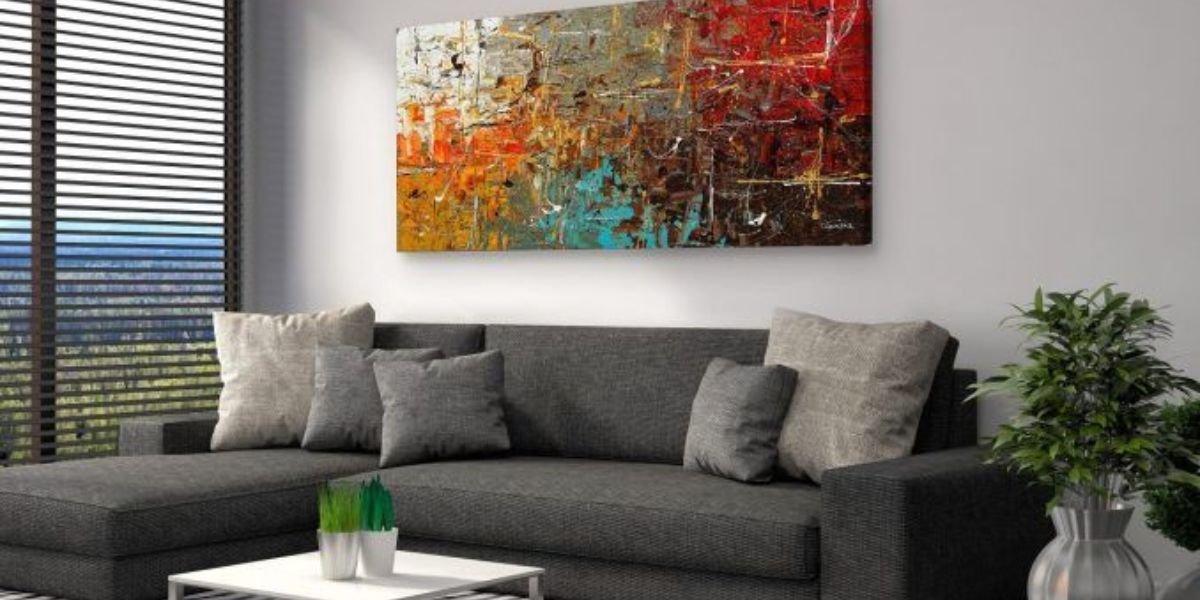
If your living room has one primary hero wall, do not clutter it with multiple small items. A single, massive statement canvas is the most effective way to dictate the emotional temperature of the room. In high end staging, we often use a piece that is nearly five or six feet wide to anchor a large sofa or a fireplace mantle.
The goal of a statement piece is to provide a focal point that captures the eye the moment you enter the room. I recommend choosing a piece with high contrast movement. For example, a stark white canvas with bold, sweeping strokes of navy or black creates an immediate sense of modern drama.
Because there is only one piece, the quality of the canvas and the frame is paramount. Ensure the canvas is heavy duty and the frame is substantial enough to feel like a permanent part of the home’s structure.
Framed Grid Gallery Wall Sets
The grid gallery wall is the hallmark of symmetrical luxury. It is the go-to strategy for designers who want to create a sense of order and architectural rhythm. This involves hanging a series of identical frames, usually in a 2×3 or 3×3 pattern, with surgical precision.
To pull this off in a way that feels expensive, the content of the frames must be cohesive. I often suggest a series of simple line drawings, geometric sketches, or even high quality black and white architectural blueprints.
The magic happens in the spacing. Use a consistent two inch gap between every frame. This rigid structure creates a massive visual impact that feels much more intentional than a random cluster of photos. It is an editorial look that works exceptionally well in formal living rooms or entryways that transition into the main lounge.
Soft Landscape Wall Art
Soft landscapes are the modern answer to the traditional oil paintings of the past. Instead of heavy, dark, and literal scenes, the current trend in US luxury homes is toward atmospheric, misty, and desaturated vistas.
These pieces are designed to evoke a feeling of calm rather than a specific geographic location. Think of a foggy coastline, a blurred mountain range, or a field at dusk where the colors bleed into one another.
These pieces work beautifully in rooms designed for mental decompression. They provide a window to a peaceful world without the visual noise of a busy painting. Pair these with a matte champagne or silver leaf frame to reflect the soft light of the room. It is a timeless choice for a primary living space where you want the art to feel like a quiet extension of the horizon.
Real Combinations Used in Well-Designed USA Living Rooms
A truly sophisticated room rarely relies on a single art style. The most successful American interiors I have worked on utilize a layered approach where different walls perform different tasks. You want to avoid the feeling that you bought a complete set from a single big box store.
One highly effective combination involves placing a Large Statement Abstract on the main wall behind the sofa while using a Symmetrical Grid on a narrower adjacent wall. This creates a balance between high-energy drama and structured calm. For example, a navy and white abstract can be grounded by a grid of six botanical sketches in simple black frames.
Another expert move is the pairing of Textured 3D Panels with Soft Landscapes. If your room features a fireplace with 3D plaster art above the mantle, the opposite wall is the perfect place for a misty, atmospheric landscape. The plaster provides the tactile interest, while the landscape provides the depth.
The golden rule for these combinations is to maintain a common thread. This could be a consistent frame color, like all matte black or all natural oak, or a shared color palette across different mediums. By mixing a large canvas with framed prints or textured panels, you create a room that feels developed over time rather than decorated in a single day.