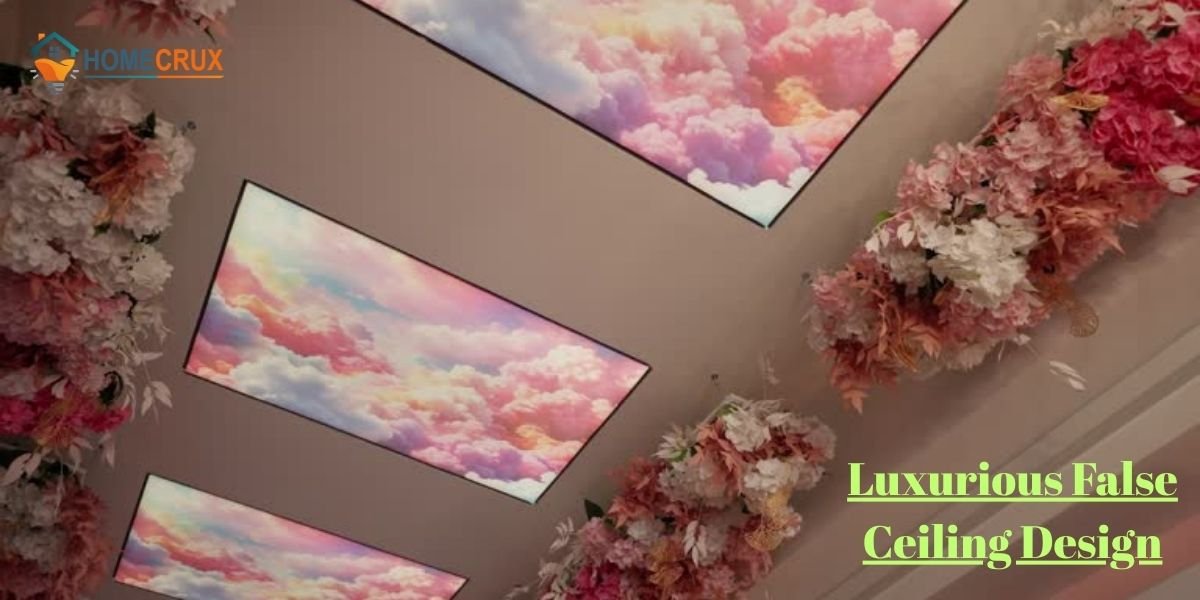
A living room ceiling should never feel like an afterthought. In real interior projects, the ceiling is often what separates an average-looking room from a space that feels custom-designed, warm, and visually balanced. A luxurious ceiling is not actually about adding the most decoration. The best modern designs improve natural lighting, make the room feel well-proportioned, and work with the house’s architecture.
Modern homeowners across the USA are moving away from overly decorative work and heavy floral patterns. Instead, current trends favor layered lighting, clean geometry, and subtle depth. This guide is written from a real world planning perspective. Whether you are remodeling your home, a modern apartment, a suburban family house, or an open concept living room, these are the designs that professional installers consistently recommend for 2026.
What to Check Before Choosing Any Ceiling Design
Selecting a design only because it looks attractive in a photo is a common mistake. Professional installers first evaluate the physical and structural limits of the room to ensure the design is actually feasible.
Experts check the following factors during a site visit:
| Technical Factor | Operational Impact |
| Ceiling Height | Deep designs can make rooms under 9 feet feel cramped and oppressive. |
| HVAC Duct Placement | Air ducts often dictate where the ceiling can drop and where it must stay flush. |
| Lighting Layout | The electrical plan determines how the ceiling framing is structured. |
| Room Proportions | Large patterns can overwhelm small halls while tiny details get lost in big rooms. |
| Natural Light | Windows impact shadow depth and how ceiling colors appear during the day. |
| Structural Leveling | Uneven slabs require more complex framing to achieve a perfectly flat finish. |
Choosing a luxurious design for a room that cannot support it physically often leads to a poor result. A properly planned simple ceiling often looks more premium than an overdesigned expensive one that feels out of place.
Hidden Costs Most Homeowners Don’t Expect
Many online guides only discuss the basic material cost per square foot. Real ceiling projects involve additional expenses that can significantly impact a budget. In older USA homes, labor and electrical modifications sometimes cost more than the ceiling material itself.
Homeowners should prepare for these specific financial considerations:
- Electrical Rewiring: Moving existing light points or adding new circuits for LED strips.
- Recessed Lighting Fixtures: The cost of the actual lamps and smart dimmers.
- HVAC Vent Adjustments: Extending air ducts to sit flush with the new false ceiling level.
- Insulation Upgrades: Adding fiberglass or mineral wool to improve thermal performance.
- Finishing and Trim Work: Professional sanding, priming, and high quality paint application.
- Attic Access: Modifying entry points if the new ceiling blocks existing access panels.
Experienced contractors always inspect the wiring condition and duct layout before providing a final quote to avoid mid project surprises.
Ceiling Materials Selection Guide for Living Rooms
The material you choose dictates the durability and the final texture of the hall. Each material has specific strengths depending on the local climate and the house structure.
1. Gypsum Board Ceiling
Gypsum is currently the most widely used false ceiling material in the USA. It is favored by builders because it creates a smooth finish that looks identical to a permanent slab.
- Best For: Modern minimalist interiors and low maintenance living rooms.
- Average Cost: $4 to $9 per square foot installed.
- Lifespan: 15 to 25 years under normal conditions.
American builders prefer gypsum because it integrates easily with smart lighting and modern HVAC systems. It provides excellent fire resistance and is much faster to install than traditional plaster methods. However, it is highly sensitive to water damage, so any roof leaks must be repaired before installation.
2. POP Ceiling
Plaster of Paris (POP) remains a standard for homeowners who want custom shapes or elegant curves. It is a powder that is mixed with water on site and applied to a metal mesh.
- Best For: Decorative ceilings and traditional luxury interiors.
- Average Cost: $5 to $12 per square foot.
- Lifespan: 10 to 18 years.
While it allows for high customization, excessive decoration is fading out in favor of minimalist styles. POP is ideal for creating layered detailing or curved hall designs that gypsum boards cannot easily achieve. It requires highly skilled labor to ensure the surface is perfectly smooth.
3. Wood Ceiling Panels
Wood panels create a level of warmth that white ceilings cannot match. This material is seeing a massive resurgence in modern farmhouse and Scandinavian designs.
- Best For: Farmhouse, rustic modern, and high ceiling luxury homes.
- Average Cost: $10 to $25 per square foot.
- Lifespan: 20 plus years if maintained correctly.
Many homeowners in regions like Colorado or Montana opt for real wood like Oak, Walnut, or Cedar. While the aesthetic is premium, it requires proper sealing to handle indoor humidity levels. Faux wood or engineered panels are also popular options as they reduce the total weight on the ceiling joists while offering a similar look.
12 Best False Ceiling Design for Living Room
Selecting the right design requires a balance between architectural style and functional needs. In the current USA market, the focus has shifted toward designs that enhance the feeling of space while providing sophisticated lighting layers.
1. Modern Cove False Ceiling
The Modern Cove is currently the most requested luxury ceiling in modern American homes. It is a design that relies on the absence of visible fixtures to create a high-end atmosphere. By installing a recessed ledge along the perimeter, the lighting is hidden from direct view.
The light reflects off the upper slab, creating a soft, ambient glow that eliminates harsh shadows. This makes the living room feel calmer and significantly larger. It is an ideal choice for apartments or homes with medium ceiling heights where a full drop might feel too heavy.
- Average Cost: $6 to $12 per square foot
- Best For: Open concept layouts and minimalist modern homes.
- Lighting Tip: Use warm LED strips (2700K) to create an inviting residential feel.
2. Layered Tray Ceiling Design
The Layered Tray is a timeless architectural feature that adds depth without overwhelming the room. It features a center section that is situated higher than the edges, effectively framing the room.
This design is a staple in suburban family homes because it creates a clear focal point, usually intended for a statement chandelier or a large ceiling fan. The transition between the levels provides a perfect spot for crown molding or contrasting paint colors to highlight the architectural layers.
- Average Cost: $7 to $15 per square foot
- Best For: Formal living rooms and traditional interiors.
3. Minimalist Gypsum Ceiling
For those who prefer a clean, gallery-like aesthetic, the Minimalist Gypsum design is the standard. This involves a perfectly flat, smooth surface with precisely cut holes for recessed “can” lights or gimbal fixtures.
Luxury in this design comes from the quality of the finish. There are no visible joints or imperfections. It works exceptionally well in rooms with low ceilings because it provides the benefits of hidden wiring and modern lighting without reducing the vertical space more than a few inches.
- Average Cost: $4 to $8 per square foot
- Best For: Low ceilings and budget-conscious luxury renovations.
4. Coffered Ceiling Design
The Coffered Ceiling is the ultimate expression of structural luxury. It consists of a grid of recessed square or rectangular panels, often finished with decorative molding. This was historically found in grand estates but is now used to add character to modern great rooms.
Beyond aesthetics, coffered ceilings are excellent for acoustics as the grid pattern helps break up sound waves, reducing echo in large, open spaces. However, these designs should be avoided in rooms with ceilings lower than 9 feet, as the beams can make the space feel restrictive.
- Average Cost: $15 to $35 per square foot
- Best For: Large luxury homes and formal entertaining areas.
5. Floating Ceiling Design
A Floating Ceiling creates the visual illusion that the center part of the ceiling is detached from the walls, held up only by light. This is achieved through shadow gaps and hidden framing.
This is a highly contemporary style often seen in custom luxury condos. It allows for creative use of RGB lighting where homeowners can change the ceiling’s edge color via a smartphone app. Precision is the most critical factor here; the gaps must be perfectly uniform or the floating effect is lost.
- Average Cost: $8 to $18 per square foot
6. Wooden Beam Ceiling
Wooden Beams are the primary choice for adding organic warmth to a living room. This design is dominant in modern farmhouse and Scandinavian-inspired interiors. You can choose between structural solid wood beams or “faux” hollow beams.
Faux beams are often the smarter choice for retrofitting because they are lightweight, easier to install, and provide a convenient channel to hide electrical wiring for spotlights. They bring a grounded, earthy feel to high-ceilinged living rooms that can otherwise feel cold.
- Average Cost: $10 to $30 per square foot
- Best Materials: Oak, Walnut, or Reclaimed Pine.
7. Linear LED Ceiling Design
Moving away from traditional circles and squares, the Linear LED design uses straight, recessed light channels that run across the ceiling. This creates a very futuristic and architectural look.
These linear tracks can run from the ceiling down onto the walls, creating a continuous flow of light. It is a favorite for designers working on modern minimalist projects where the goal is to use light as a structural element rather than just a utility.
- Average Cost: $7 to $16 per square foot
8. Scandinavian Wood Slat Ceiling
The Wood Slat or “Acoustic Slat” ceiling has become a major trend in 2026. It involves thin strips of wood placed closely together, often with a dark felt backing.
This design provides incredible texture and is a functional powerhouse for sound dampening. It is frequently used in homes with hard flooring (like tile or hardwood) to prevent the room from sounding hollow. The natural oak or light ash finishes are most popular for maintaining a bright, airy Scandinavian feel.
- Average Cost: $12 to $28 per square foot
9. Curved POP Ceiling Design
For interiors that feature organic shapes and soft edges, a Curved POP design is the best fit. Plaster of Paris allows for fluid, circular, or S-shaped designs that are impossible to create with rigid boards.
Curved ceilings are often used to define specific zones in an open-plan house, such as a circular seating area within a larger hall. This style requires a master craftsman, as any unevenness in the curves will be highlighted once the lights are turned on.
- Average Cost: $10 to $20 per square foot
10. Geometric Ceiling Design
Geometric Designs use interlocking squares, rectangles, or even hexagons to create a structured pattern. Unlike the traditional coffered look, these are often thinner and more experimental in their layout.
This style works well for homeowners who want a “statement” ceiling that feels modern and architectural. It provides multiple levels for different types of lighting—recessed spots for the center and LED strips for the geometric edges.
- Average Cost: $7 to $15 per square foot
- Best For: Contemporary halls and large living rooms.
11. Acoustic False Ceiling
Large, open-concept living rooms often suffer from echo and sound bouncing, especially in homes with hardwood or tile flooring. An Acoustic False Ceiling is a functional upgrade that uses specialized materials like mineral fiber, perforated gypsum, or acoustic foam backing to absorb sound waves.
This design is essential for families who use their living room as a primary entertainment or TV hub. Beyond the noise reduction, these ceilings can be finished to look exactly like standard drywall, providing a quiet, premium environment without sacrificing the modern aesthetic. It is one of the few renovations that improves the daily physical comfort of a home by reducing background noise by up to 50%.
- Average Cost: $6 to $14 per square foot
- Best For: Home theaters, open-plan houses, and high-traffic family rooms.
12. Luxury Border POP Ceiling
If you are working with a low budget or a room with a lower ceiling height, the Luxury Border design is the most strategic choice. Instead of dropping the entire ceiling, a decorative border is constructed only around the perimeter of the room.
This border creates a dedicated channel for recessed spotlights and hidden LED strips while keeping the center of the ceiling at its original height. This technique provides the “expensive” look of a custom luxury home without the high material cost or the risk of making the room feel small. It is a favorite for apartment renovations where every inch of vertical space is valuable.
- Average Cost: $5 to $9 per square foot
- Best For: Small apartments and budget-friendly luxury updates.
Which Ceiling Design Works Best for Small Living Rooms?
In a small living room, the goal is to create the illusion of more space. You should strictly avoid deep coffered grids or dark wooden beams, as these visually “push” the ceiling down and can make the room feel claustrophobic.
The most effective options for compact spaces are:
- Minimalist Gypsum: A flat, clean surface makes the room feel wider and less cluttered.
- Cove Lighting: By illuminating the edges where the wall meets the ceiling, you erase shadows that define the room’s limits, making the walls feel further apart.
- Shallow Tray Ceilings: A slight lift in the center section draws the eye upward, giving the perception of extra height.
Why Lighting Matters More Than the Ceiling Pattern
A common mistake homeowners make is spending thousands on a complex ceiling pattern but ignoring the lighting quality. In the world of interior design, lighting is what actually defines the luxury. Even the most expensive coffered or floating ceiling will look cheap if the light is too blue or the shadows are harsh.
Professional installers recommend focusing on Color Temperature. For residential living rooms, you should always aim for Warm White (2700K to 3000K). Cool white or daylight bulbs (5000K+) are often too clinical and make a home feel like a commercial office or a hospital. Additionally, using dimmable circuits allows you to change the room’s mood from bright and functional for cleaning to soft and atmospheric for evening relaxation.
How Long Does a False Ceiling Last?
The lifespan of your ceiling depends heavily on the material used and the quality of the initial framing.
| Material | Average Lifespan |
| Gypsum | 15 to 25 years |
| Wood | 20 plus years |
| POP | 10 to 18 years |
| PVC | 8 to 15 years |
Installation quality is the biggest variable. If the metal framework is not galvanized or if the hangers are spaced too far apart, the ceiling may begin to sag or show cracks within just a few years. In high-humidity areas, choosing moisture-resistant gypsum boards is vital to preventing mold and structural decay.
Biggest Ceiling Mistakes Homeowners Make
To ensure your project remains a high-value asset, avoid these frequent errors:
- Ignoring the 9-Foot Rule: If your ceiling is lower than 9 feet, avoid multi-layered designs. Stick to single-level drops or perimeter borders.
- Poor HVAC Integration: Always mark your air conditioning vents and access panels before the framing starts. Covering an AC duct is a costly mistake that requires tearing down the new ceiling.
- Choosing Design Over Lighting: Never finalize a pattern without a lighting plan. The shadows created by the levels must be intentional.
- Hiring Low-Skill Labor: False ceilings require precision leveling. A ceiling that is off-level by even a fraction of an inch will look crooked once the long LED strips are turned on.
Final Expert Recommendation
For a living room that feels modern, luxurious, and timeless, focus on architectural balance rather than over-decoration. The most successful luxury ceilings in 2026 are those that feel like a natural part of the house’s structure.
If you are unsure, go with a Simple Tray or a Cove Lighting design. These options provide the best return on investment, stay visually relevant for decades, and work with almost any furniture style. Luxury is found in the smoothness of the finish and the warmth of the light—not the complexity of the pattern.
FAQs
Which false ceiling design is best for small living rooms?
The Minimalist Gypsum or a Simple Cove design is best. These avoid visual clutter and use light to make the space feel taller and more open.
What is the most affordable false ceiling option?
A Luxury Border POP or a PVC ceiling are the most budget-friendly. They require less material and labor than full-room layered designs.
How much ceiling height does a false ceiling reduce?
A standard false ceiling usually drops the height by 5 to 8 inches. However, complex multi-level designs can reduce height by 12 inches or more.
Which ceiling design looks most modern in USA homes?
The Linear LED and Scandinavian Wood Slat ceilings are currently the top modern trends for high-end US renovations.
Are false ceilings hard to maintain?
No, most only require occasional dry dusting. Gypsum and wood are very low maintenance, while POP may need minor paint touch-ups every few years if cracks appear.
What lighting works best with false ceilings?
Warm white (2700K) recessed LED spots combined with LED strip lights for coves provide the best balance of functional and ambient light.
How long does a false ceiling last?
With professional installation, a Gypsum ceiling easily lasts 20 years, while Wood can last even longer if kept away from moisture.