Disclaimer: This article is for educational purposes only, and there is no promotional content. All designs and products, including furniture, paint, lighting, and decor mentioned in this guide, are personally suggested by Home Cruxs designers based on their design integrity, quality, and global ranking.
The definition of a private sanctuary has shifted radically over the last century. Back in the 1920s, American bedrooms were largely utilitarian. By the 1950s, the mid-century boom turned them into curated status symbols. Fast forward to 2026, and we’re in the middle of a Tactile Revolution.
Your bedroom isn’t just for sleep anymore; it’s a physical manifestation of your mental state. Most of us want a room that mirrors our personality. It’s the one corner of the house where your comfort trumps guest expectations.
While a bed and a dresser remain the basics, the magic lies in the nuance. Color drenching, textile weight, and historical nods can turn a simple room into a masterpiece. Whether you prefer the restraint of a Japandi retreat or the theater of a Statement Ceiling, the goal remains the same: a space where your shoulders drop the second you walk in.
Our team has curated 32 design concepts currently defining the high-end US landscape. Modern homeowners are increasingly ditching the showroom look for simplicity with soul—spaces that feel gathered over decades, not purchased in a weekend.
Let’s explore these expert-led bedroom ideas and see which one might be the missing piece for your home’s architectural puzzle.
#1 Organic Modern
Organic Modernism solves the cold problem of contemporary design. It’s the perfect middle ground for those who love clean lines but hate clinical vibes.
This aesthetic traces its roots to Frank Lloyd Wright’s organic architecture—the idea that a home should look like it grew out of the ground. In 2026, that means:
- Soft, undulating curves
- Honest, raw materials
- A palette of oatmeal, sage, and sand
Designers like Jessica Nelson lean into this by pairing light-toned brunette woods with plaster-finished walls. You won’t find many sharp corners here. Instead, kidney-shaped nightstands and circular mirrors break up the standard bedroom boxiness. Focus on the tactile layer; a high-pile jute rug and heavy-gauge linens go a long way.
#2 Japandi
Japandi is no longer just a trend; it’s a design necessity. It’s the intersection of Japanese Wabi-Sabi (imperfection) and Scandinavian Hygge (coziness). This isn’t about clutter-core. It’s about Quiet Structuralism.
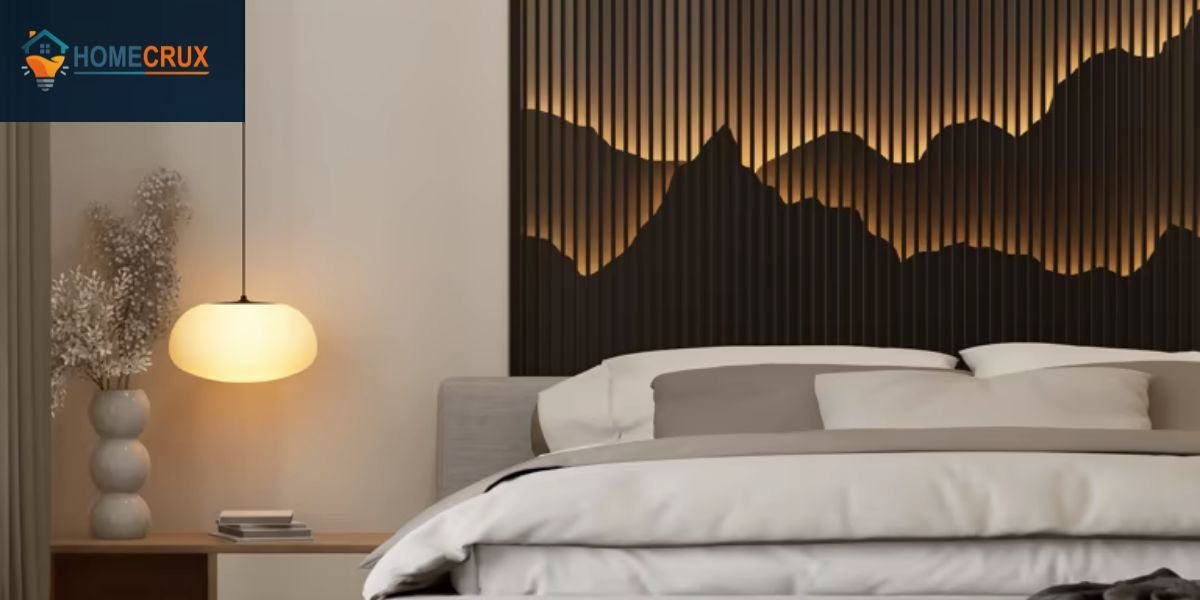
According to experts at the Los Angeles Times, the current iteration of Japandi is darker and more sophisticated than the pale versions of 2020. Think sleek black slats behind a low-profile platform bed, contrasting against warm oak. Moreover, the furniture is multifunctional—a foot-of-bed bench that doubles as a gallery for a single clay vessel.
If an item doesn’t serve your peace of mind, it’s out. Intention is the only rule here.
#3 Quiet Luxury
Quiet Luxury is the stealth wealth of the design world. No loud logos. No flashy finishes. Just impeccable craftsmanship. It’s the interior version of a bespoke cashmere coat—it doesn’t shout, but the quality is undeniable.
Firms like Studio Ashby champion this by focusing on Functional Sophistication. You’ll see custom-upholstered headboards in neutral mohair velvet, framed by dimmable LED lighting that mimics your natural sleep-wake cycle. The palette is monochromatic but deep, using shades of greige and taupe to build infinite layers.
Ultimately, the secret is in the invisible details. Soft-close wardrobes or hidden wireless chargers built into stone tops define this look. This is for the person who values their own experience over the room’s optics.
#4 Modern Farmhouse
Modern Farmhouse has finally left the shabby chic era behind. The 2026 look is more Elevated English Cottage—less galvanized steel, more architectural depth. Board-and-batten walls and reclaimed beams provide a historic backbone that still feels fresh.
Heidi Caillier is a master here, often mixing thick, vintage artwork frames with chik bamboo blinds for organic texture. The palette has shifted from stark white to creamy off-whites and warm caramels, making the room feel inhabited.
Consequently, you should look for Brunette wood tones rather than the blonde oaks of the past. A hand-carved dresser paired with an iron bed frame creates that perfect tension between rugged and refined.
#5 California Casual
California Casual is that breezy, lived-in elegance synonymous with coastal retreats. It prioritizes natural light and indoor-outdoor flow. While it looks effortless, it’s actually rooted in Sense-scaping—designing for the senses.
Designers like Amber Lewis popularized this look with slipcovered linens and oversized rugs that feel like clouds underfoot. To pull this off, nail the window treatments. Use sheer, floor-to-ceiling drapes that catch the breeze and soften the glare.
The inspo is a Malibu afternoon—low-slung furniture and minimal decor, like a few ceramic pieces or driftwood. It’s a design that breathes.
#6 Warm Minimalist
Warm Minimalism is the antidote to sterile spaces. It swaps empty for intentional, focusing on a few high-quality pieces and Earth Tone palettes that white walls lack.
The standout feature here is Matted Surfaces—lime-wash paints and matte stone. These materials absorb light rather than reflecting it, creating a hazy, soft glow. Leanna S. often uses sculptural orb lighting as the jewelry of the room to provide a focal point without adding clutter.
Keep the floor clear. Wall-mounted nightstands and floating frames create a sense of air that makes small rooms breathe.
#7 Scandinavian
Scandi design remains a powerhouse because it respects the Form follows Function rule. It’s the democratic approach to design—beautiful, practical things.
This year, Scandi bedroom ideas are all about Raw Woods and Natural Textiles. Unlike the more rigid modern styles, this allows for a bit of mess—a rumpled linen duvet or a stack of books on a chair. It feels human.
To implement this, pair a simple platform bed with 70s-inspired mustard yellow or avocado green accents. It adds a vintage soul to a modern frame.
#8 Mid-Century Modern
MCM is the Little Black Dress of interiors. Those tapered legs and geometric lines are timeless. However, the 2026 version is moving away from Mad Men sets toward an Eclectic Modern vibe.
The focus is now on Brunette woods like teak and walnut, often layered with sketched botanical wallpapers. Michelle B. suggests using one hero piece—like an Eames chair—and building the rest with subtle, modern touches.
It’s a lifesaver for small bedrooms. The leggy furniture keeps the floor visible, which visually expands the room’s footprint.
#9 Contemporary
Contemporary design is always now. Today, that means Curvy and Sculptural. We’re seeing a total rejection of straight lines in favor of arched doorways and rounded headboards.
This style thrives on High-Contrast—charcoal walls against cream furniture. It often mixes metals, like brushed brass and matte black, for a luxury edge.
A contemporary bedroom is essentially an art gallery you sleep in. Use one Mega-Scale piece of art above the bed to anchor the room. It gives the space an immediate sense of purpose.
#10 Transitional
Transitional design is the Goldilocks of bedroom ideas; it’s the sweet spot between Old World and Modern. It takes the comfort of tradition and streamlines it.
You’ll see a tufted headboard next to a glass-topped modern nightstand. The palette is usually The New Neutrals—creamy taupes and soft whites. It’s popular in the US because it feels safe yet sophisticated.
To master this, focus on Symmetry. A perfectly balanced layout with matching lamps is the hallmark of a professional transitional space.
#11 Industrial
The Industrial aesthetic is a celebration of the unfinished. Rooted in the early 20th-century conversion of urban warehouses into residential lofts, this design prioritizes raw structural elements like exposed brick, weathered wood, and matte black steel. It is a bold choice for a bedroom because it leans into the harder side of design, yet when executed correctly, it feels incredibly secure and grounding.
Designers such as Sarah West emphasize the Moody Cocoon aspect of this style. Instead of trying to hide pipes or rough-hewn beams, the Industrial look uses them as architectural jewelry. Additionally, the furniture is often Heavy-Duty, featuring bed frames made of reclaimed factory timber or welded iron. To balance the coldness of the metal, designers integrate deep charcoal or Railings black paint on the walls, creating a dark, enveloping atmosphere.
To prevent the room from feeling like a basement, the key is the Textural Contrast. Layer the bed with high-thread-count cotton in slate grey and add a plush, oversized wool rug. The juxtaposition of a rough brick wall against a soft, luxurious duvet is what makes the Industrial bedroom feel sophisticated rather than sparse.
#12 Soft Industrial
If the standard Industrial look is too hard, Soft Industrial is the 2026 solution. This design keeps the bones of the warehouse look—like the black-framed Crittall windows and Edison-style lighting—but swaps the cold concrete for warmer, human-centric finishes. It is a favorite for urban professionals who want a touch of edge without sacrificing warmth.
In this style, you’ll see the Mixed Material approach favored by firms like Sarah Vanrenen. Instead of a cold metal headboard, you might see one upholstered in a cognac-colored leather. While the lighting remains edgy, perhaps a swing-arm brass sconce, the walls are finished in a soft, warm grey plaster rather than raw brick. It is a Lived-in Urbanism that feels approachable and chic.
Consequently, our designers suggest focusing on Pops of Warmth. Use brass or copper hardware instead of iron, and incorporate Brunette wood nightstands. This softens the visual impact while maintaining the cool factor that defines industrial living.
#13 Coastal
Coastal design is the ultimate Vacation at Home aesthetic. Unlike the kitschy nautical themes of the past, modern Coastal bedroom ideas are focused on Air and Light. This design draws inspiration from the natural elements of the shoreline—bleached driftwood, seafoam greens, and the softest blues.
Renowned designers like Phoebe Hollond often utilize Borrowed Light (a Farrow & Ball classic) for the walls to create an expansive, airy feel. Furthermore, the furniture is typically Woven or Natural, featuring rattan headboards or seagrass rugs that add an organic, tactile layer.
To achieve this look, stick to a palette of whites, creams, and Shoreline Blues. Moreover, avoid heavy drapes; instead, use light-filtering linen curtains that dance when the window is open. It’s about creating a sanctuary that feels as light as the ocean mist.
#14 Coastal Grandmother
A viral sensation that has solidified into a legitimate 2026 design staple, the Coastal Grandmother aesthetic is the more mature, sophisticated cousin of standard Coastal design. Inspired by the set design of Nancy Meyers films, it’s all about Refined Comfort and Old Money leisure.
This style is often championed by designers like Lonika Chande, who focus on Layered Tradition. It features slipcovered armchairs, classic ginger jars, and cable-knit throw blankets. Additionally, the unique feature is the Dressing Table—a dedicated space for morning rituals that adds a sense of Slow Living to the bedroom. Invest in a high-thread-count duvet and a classic blue-and-white striped rug. Ultimately, it’s a design for someone who values a well-organized closet and the luxury of a slow morning.
#15 Bohemian
The 2026 Bohemian (Boho) bedroom has moved away from the cluttered look of the 2010s toward a more Curated Globalism. This design is for the traveler and the collector. It is characterized by an unapologetic mix of patterns, eras, and textures, tracing its history to the artistic circles of 19th-century France.
Designers like Justina Blakeney lead with Vibrant Earthiness. You will see macramé wall hangings, Moroccan poufs, and a jungle of indoor plants. Moreover, the inspo here is a boutique hotel in Tulum or a riad in Marrakech. The furniture is often low-to-the-ground, encouraging a relaxed, informal vibe.
However, the secret to a successful Boho room is the Color Thread. Even though there are many patterns, ensure they all share one common color—like a deep terracotta or a turmeric yellow—to keep the room from feeling intentional rather than chaotic.
#16 Modern Bohemian
Modern Bohemian is essentially the “grown-up” version of the 2010s Boho trend. It strips away the excess clutter and filters artistic spirit through a Minimalist Lens. The result is a space that feels curated rather than chaotic—perfect for those seeking a creative yet organized bedroom aesthetic.
Designers like Jessica Nelson often lead with a hero piece, such as a large-scale tribal rug, while keeping the bed frame sleek and low-profile. The secret lies in the White Space; by allowing global accents—like a carved wooden stool or a framed textile—to breathe against neutral walls, the room feels intentional.
Consequently, use natural materials like jute and leather to ground the eclectic patterns. This maintains a professional edge that simple “boho-chic” often lacks.
#17 Maximalist
Maximalism is the art of Curated Abundance. It’s a total rejection of the “white box” and a celebration of personal history. This isn’t about creating a mess; it’s about Pattern Drenching and high-drama storytelling.
A leading voice in this movement, Beata Heuman, often layers different but complementary prints across wallpaper, curtains, and headboards. A signature feature is the floor-to-ceiling gallery wall.
To make this work, you must respect the rule of Scale. Mix large florals with tight geometric prints. This creates a Jewel Box effect that feels intimate rather than overwhelming. It is a bold, decisive way to live.
#18 Minimalist
In 2026, minimalism has evolved into Essentialism. It’s no longer about a lack of things, but about a lack of distraction. This design prioritizes Architectural Purity—hiding the mess of daily life behind seamless, handle-less cabinetry.
A minimalist bedroom design focuses on tonal depth—shades of white, grey, and charcoal that blend into one another.
To avoid a “cold” feeling, designers use Lighting Layers. A soft glow hidden behind a headboard or under a floating bed frame adds depth without adding “things.” It’s the ultimate Visual Detox for a cluttered mind.
#19 Dark and Moody
The “Dark and Moody” aesthetic is designed for the night owl. It utilizes the concept of Envelopment, where deep shades like forest green, navy, or charcoal make a room feel infinite.
Designer Tom Morris is known for Color Wrapping, where the ceiling is painted the same dark hue as the walls to erase the room’s boundaries. This creates a cinematic, cozy atmosphere perfect for deep sleep.
The key is the Lustre Contrast. Pair matte dark walls with silk pillows or brass lamps that catch the light like stars in a night sky. It’s dramatic, moody, and deeply private.
#20 Monochrome
Monochrome is the peak of Visual Harmony. It involves committing to a single color—like a warm Mocha Mousse—and using it in every possible shade and texture. It feels instantly expensive because it requires such specific curation.
Tash Bradley argues that in monochrome rooms, Texture is King. Since there is no color contrast, your eye relies on the difference between:
- A fuzzy bouclé chair
- A smooth plastered wall
- A heavy linen duvet
This unified approach turns a standard bedroom into a professional-grade sanctuary.
#21 Earth Tone
The 2026 Earth Tone movement focuses on Pigment-Rich Naturals. It’s a palette that feels ancient, drawing inspiration from the clay and terracotta structures of the Mediterranean and the American Southwest.
The standout feature is the Monolithic Bed, where the frame is finished in the same lime-wash as the walls. This makes the furniture feel like a natural extension of the architecture.
Stick to matte, porous surfaces. If you introduce high-gloss items, you risk breaking the grounded, Raw Earth spell of the room. It’s about staying connected to the world outside.
#22 Neutral Layered
Neutral Layered design is for those who want a Pottery Barn bedroom look with more soul. It relies on the Five-Texture Rule. Every room needs at least five different materials—wood, stone, silk, wool, and linen—all within the same neutral family.
As seen in the work of Linette Dai, this style uses Tonal Depth to stay interesting. A cream chair on a white shag rug next to a bleached oak nightstand creates a sense of luxury without needing a drop of color.
However, always include a few black accents, a thin frame or a slim lamp. This anchors the space and keeps it from looking “washed out” in natural light.
#23 Biophilic
Biophilic design is the science of bringing the outdoors into lower cortisol levels. It’s more than just a few plants; it’s about Circadian Optimization.
Designers like Molly I. integrate living walls and lighting that shifts from cool blue in the morning to warm amber at sunset. If you’re looking for room inspo that doubles as a health retreat, this is it.
Prioritize sustainable materials like cork and bamboo. They are naturally antimicrobial and visually calming, making them perfect for a sleep environment.
#24 Art Deco
Art Deco is pure 1920s glamour, updated for the modern era. Think Geometric Symmetry and high-shine materials like chrome, lacquer, and mirrors.
James Mackie utilizes Architectural Paneling to create rhythm. You’ll see fluted wood behind the bed and nightstands with brass inlays. It’s a Main Character design choice.
To pull it off, pick a Jewel Tone—emerald or sapphire—and use it as your primary anchor for velvet upholstery. It’s high-energy and high-style.
#25 Parisian
Parisian style is the Art of the Effortless. It’s the marriage of 19th-century Haussmann architecture with avant-garde modern furniture.
The secret is the High-Low Mix. An ornate gold-leaf mirror hanging above a strictly minimalist, modern bed is the quintessential look.
Walls are usually Gallery White to let the crown molding and parquet floors do the talking. Don’t over-decorate; let the architecture be the star of the show.
#26 Vintage Eclectic
Vintage Eclectic is a rejection of the “set look.” It’s for the collector. It traces back to the Collector’s Cabinets of the Victorian era, where every piece had a story.
In this bedroom interior design, nothing matches perfectly, but everything belongs. Anna Haines leads with Narrative Design, mixing a mid-century dresser with a Victorian iron bed.
To keep it from feeling like a thrift store, use a Unified Color Palette. This ties the different eras together into a cohesive, personal history.
#27 Classic Traditional
Classic Traditional is the “comfort food” of design—symmetry, order, and heritage. It feels established. You’ll see heavy textiles like brocade and furniture with Turned Legs.
Emma Burns often uses Wallpaper Murals to add a layer of storytelling. If you want a design that will be relevant twenty years from now, this is your safest bet. Invest in a mahogany bed and classic ginger jar lamps for a timeless finish.
#28 Hotel Style
Hotel Style is about the Five-Star Experience. It prioritizes symmetry and “cloud-like” comfort.
Sophie Warnars emphasizes the Beverage Station—a built-in nook for coffee or water that makes the bedroom self-contained.
Moreover, use a duvet two sizes larger than your mattress. This creates that oversized, plush look found in the world’s most luxury suites. It’s all about the indulgence of the stay.
#29 Luxury Minimal
Luxury Minimal is for those who want the “Minimalist” look but with Maximalist Quality. No cheap materials allowed.
Every surface is top-tier: solid marble, silk plaster, and cashmere. Rushda Hakim uses Negative Space as a luxury, allowing the quality of light to be the primary decor.
The bed is often recessed into the floor, and wardrobes are handle-less for a totally seamless finish. It’s quiet, expensive, and deeply serene.
#30 Smart Modern
Smart Modern is the high-performer’s dream. It integrates IoT Technology into the room’s fabric without looking like a tech lab.
Features include Smart Glass that tints at the touch of a button and under-bed LEDs that guide you at night. Linette Dai hides screens behind wood panels, ensuring the room remains a sanctuary until you’re ready for entertainment.
It’s about Sleep Optimization. Your room should work as hard as you do.
#31 Textural Modern
Textural Modernism moves away from patterns and focuses entirely on Tactile Shifts.
Expect fluted walls and Bouclé upholstery. Beata Heuman often uses leather-wrapped door handles to add a sensory surprise.
The color palette is neutral, allowing the “feel” of the hammered metal or woven wool to take center stage. It’s a room designed for the sense of touch.
#32 Statement Ceiling
The Fifth Wall is the final frontier. In 2026, the ceiling is the most dramatic part of the room.
Whether it’s a bold botanical wallpaper or Coffered Wood Beams, drawing the eye upward makes a room feel massive. Tiara M. often uses Gloss Paint on the ceiling to reflect light like water.
If you have a simple room, this is the fastest way to make it designer-grade. It changes the entire perspective of the space.
The Final Word
Why do these bedroom ideas matters? Because, your bedroom is more than a floor plan, it’s a neurological recovery suite. Whether you choose the grounding grit of Industrial style or the refined leisure of the Coastal Grandmother aesthetic, the goal is to build a space that serves your unique rhythm.
Trends will come and go, but a room built on Authoritative Choices and personal history will always feel like home. Invest in the pieces that speak to you, and the rest will follow.
Frequently Asked Questions (FAQs)
1. What is the most popular bedroom design style for 2026?
Currently, Organic Modern and Quiet Luxury are the top picks. They both ditch the “cold” minimalist look in favor of warm, high-quality natural materials that feel both expensive and comfortable.
2. How do I start decorating a bedroom from scratch?
Always start with the Anchor—the bed. Pick your frame and headboard first. This sets the scale for everything else, from your nightstands to your lighting plan.
3. How can I make a small bedroom feel larger?
Focus on Visual Floor Space. Use “leggy” furniture that stands on tapered legs so you can see the floor underneath. Also, painting the walls and ceiling the same light color removes hard architectural boundaries.
4. Is the “All-White” bedroom trend over?
Mainstream designers have moved on to The New Neutrals. Think off-whites, greiges, and mushrooms. The goal now is depth and cocooning rather than a clinical, bleached look.
5. What should I invest the most money in?
Your mattress and your Lighting Scheme. A beautiful room is a failure if you can’t sleep in it. Layered lighting (ambient, task, and accent) is what gives a room that professional “glow.”
6. How do I choose the right rug size?
The rug should be large enough to sit under the bottom two-thirds of the bed and extend at least 24 inches on each side. This anchors the furniture and gives your feet a soft place to land.
7. Can I do “Aesthetic Bedroom” trends on a budget?
Yes. Focus on The Tactile Switch. Swap out cheap plastic outlet covers for brass ones or replace basic duvet covers with heavy, textured linens. Small, physical changes have the biggest impact.