
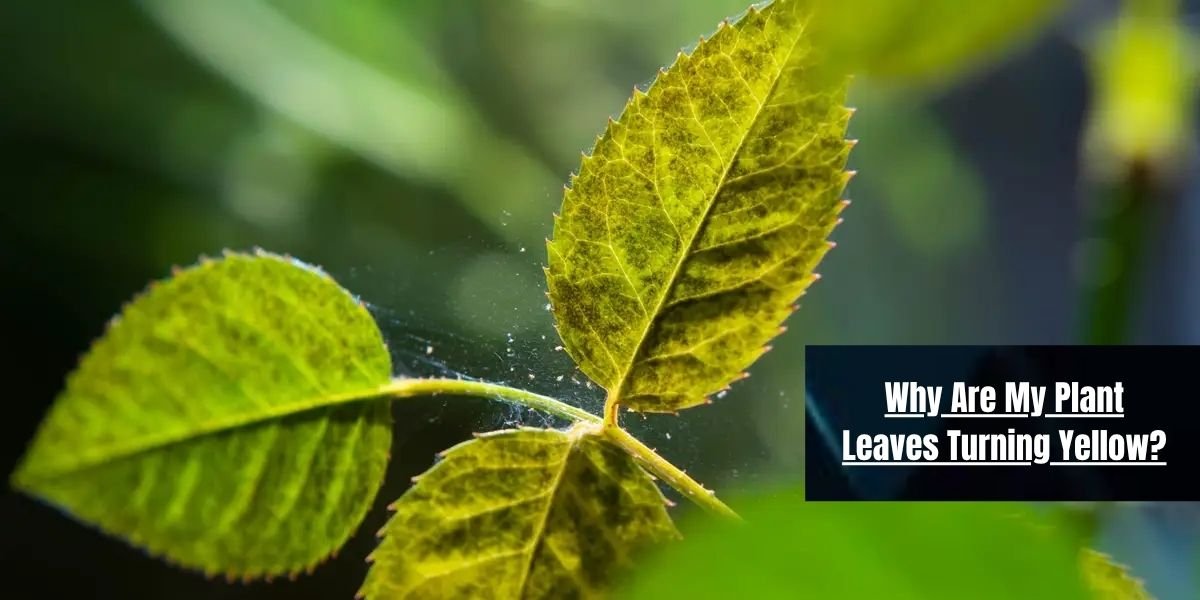
Discovering a yellowing leaf on a cherished houseplant or garden crop can trigger immediate panic, but foliage discoloration is simply a visual cue from your plant indicating that something within its growing environment needs adjustment. Asking why are my plant leaves turning yellow opens up a wide diagnostic process because this single symptom stems from numerous distinct causes, including improper moisture levels, inadequate light exposure, nutrient imbalances, root zone damage, insect activity, or even standard biological aging.
Before reaching for pruning shears or pouring in liquid fertilizer, take a step back to examine the entire plant thoroughly. Pay close attention to exactly which leaves show discoloration first, observe whether the pale color begins at the leaf margins or between the veins, and inspect the physical moisture state of the growing medium. Taking these initial observations allows you to address the actual root cause rather than making speculative changes that might cause additional environmental stress.
Start With the Pattern of Yellowing
The exact placement and visual pattern of discoloration offer direct insight into what is happening inside the plant transport system. Mobile nutrients and fluid stress manifest in completely different locations compared to localized tissue damage or immobile mineral deficiencies.
When older, lower leaves turn yellow while upper foliage remains vibrant green, the plant is often reallocating critical internal resources to support fresh top growth. This process happens during normal aging, but it also signals that the root system is struggling to extract enough nitrogen or moisture from the substrate to sustain the entire canopy.
Conversely, when new leaves turn yellow at the top of the stem while older foliage remains dark green, the issue typically involves immobile minerals such as iron or calcium that cannot easily move from mature tissues to fresh buds. This symptom pattern can also point toward damaged root tips that have lost the ability to absorb freshly available minerals.
A distinct pattern where tissue bleaches into a pale cream or bright yellow tone while the veins stay deep green is known as interveinal chlorosis. This specific visual signature points toward problems with nutrient availability, often caused by incorrect soil pH levels or localized root distress rather than a simple lack of soil moisture.
When yellowing spreads throughout the plant simultaneously across mature and young leaves alike, the underlying issue is rarely localized. Uniform discoloration typically points toward broad environmental shocks, severe root zone saturation with excess water, extreme underwatering, or abrupt shifts in ambient temperature.
Watering Is the First Thing to Check
Irrigation mistakes represent the single most common reason plant leaves lose their green pigment, yet both overwatering and underwatering produce surprisingly similar visual distress signals. Feeling the soil at a depth of two inches provides reliable diagnostic feedback that leaf appearance alone cannot offer.
When growing media stays saturated for prolonged periods, air pockets within the soil collapse and starve the root system of oxygen. Without adequate oxygen, fine root hairs die, rendering the plant incapable of drawing up water or nutrients. This creates the counterintuitive situation where a plant sitting in soggy mud displays soft, drooping, yellowing foliage because its compromised roots are effectively starving and dehydrating.
Poor drainage exacerbates moisture retention. Pots lacking drainage holes or growing media packed too tightly trap excess moisture around the root zone, turning beneficial soil into an anaerobic environment. Checking whether water pools at the bottom of decorative saucers is essential when evaluating moisture stress.
Underwatering leads to an entirely different physical texture in the affected tissue. Dry soil pulls moisture out of the foliage, causing lower leaves to turn yellow, curl inward, and develop dry, papery edges before dropping off completely. Unlike the soft, limp foliage characteristic of overwatering, underwatered leaves feel thin, crisp, and brittle to the touch.
Establishing a fixed calendar schedule for watering often leads to health problems because environmental factors like humidity, temperature, and seasonal light intensity dictate fluid uptake. Checking soil moisture levels with a finger or a dedicated probe yields far better results than applying water on a rigid weekly routine.
- Soft, pliable, yellowing leaves paired with wet potting mix confirm excessive soil moisture.
- Crisp, papery, yellowing leaves accompanied by soil pulling away from container edges indicate underwatering.
- Heavy containers that remain wet for weeks point directly toward poor drainage or overly dense soil.
When excess moisture persists for too long, common soil fungi rapidly attack weakened tissue, resulting in root rot. Roots affected by rot turn dark brown or black, lose their firm structure, and slough off easily when handled. Once root rot takes hold, foliage yellowing accelerates rapidly because the plant can no longer transport nutrients upward.
Light Can Change the Color of the Leaves
Photosynthesis depends directly on light quality and duration, making light exposure a fundamental factor in leaf health and color retention.
When plants receive insufficient light, they cannot produce adequate chlorophyll, the pigment responsible for rich green tones and energy conversion. Over time, foliage fades to a dull, pale yellow, and stems stretch toward the nearest light source, creating sparse, leggy growth patterns. Plants suffering from low light levels often shed lower foliage to reduce energy consumption.
Intense, direct sunlight can scorch shade-loving foliage, breaking down chlorophyll faster than the plant can rebuild it. Sunburn appears as faded yellow patches or bleached, papery spots specifically on the upper leaf surfaces directly exposed to strong light rays.
Sudden shifts in light intensity create immediate environmental shock. Moving a plant directly from a shaded indoor room into intense afternoon sun without a period of gradual acclimatization causes widespread leaf yellowing and leaf drop. When relocating a struggling plant, adjust light levels incrementally to avoid secondary shock.
Nutrient Problems Are Possible, But Don’t Fertilize Yet
Nutrient deficiencies certainly cause leaf discoloration, but reaching immediately for fertilizer can easily worsen an existing problem if compromised roots or improper soil pH are the true underlying causes.
Nitrogen deficiency classically manifests on older, lower leaves first because the plant mobilizes available nitrogen upward to protect new terminal growth. The entire leaf surface gradually turns pale green, then yellow, before drying up completely.
Iron deficiency presents as striking interveinal chlorosis exclusively on brand-new leaves. Because iron is immobile within plant tissues, the plant cannot pull iron from older growth, causing young leaves to emerge bright yellow with dark green veins.
Magnesium deficiency also causes interveinal chlorosis, but it starts on older leaves first because magnesium moves easily throughout internal plant tissues.
Applying synthetic fertilizers to a plant with damaged roots or bone-dry soil creates high mineral salt concentrations that burn remaining healthy roots, accelerating foliage loss. Confirm that the root system is healthy and that soil moisture levels are balanced before introducing supplemental fertilizers.
Look at the Roots When Yellowing Keeps Spreading
If watering adjustments and light corrections do not slow down leaf yellowing, inspecting the root zone provides definitive answers about hidden structural issues.
Carefully lift the plant out of its container to evaluate the root system if the soil stays wet for unnaturally long periods despite warm ambient temperatures. Healthy roots typically appear firm, plump, and white or light tan.
If the potting mix releases a sour or foul odor, soil bacteria and anaerobic fungi have likely begun decomposing organic matter and dead root tissue. This smell is a clear indicator that the root zone requires immediate attention.
Dark, mushy, or stringy roots that peel away easily are dead and can no longer support top growth. When severe root loss occurs, prune away all compromised tissue, refresh the growing medium with a well-aerated mix, and downsize the container to match the reduced root mass.
Pests and Disease Can Show Up as Yellow Leaves
Sap-sucking insects and localized pathogens disrupt plant tissue integrity, leading to characteristic yellowing patterns that differ from environmental stress.
Spider mites, thrips, scale, and mealybugs pierce individual plant cells to feed on vital sap. Spider mite damage appears as fine, speckled yellow stippling across the leaf surface, often accompanied by delicate webbing on the undersides of leaves.
Sticky honeydew residues on lower foliage indicate active infestations of aphids, scale, or whiteflies. This sugary excretion can attract secondary black sooty mold, blocking light and causing further leaf yellowing.
Fungal and bacterial diseases typically create distinct yellow halos around dark brown or black spots. Unlike environmental chlorosis, leaf spot pathogens spread in irregular, asymmetrical patterns across individual leaves.
Sometimes the Yellow Leaf Is Normal
Not every discolored leaf points toward a cultivation error or disease, as natural biological processes account for a steady baseline of leaf loss.
As a plant matures, it naturally sheds older lower foliage that receives minimal light or yields diminishing energy returns. A single yellow leaf at the very base of an otherwise vigorous, actively growing plant is completely normal.
If overall growth remains strong, new leaves emerge bright green, and the rate of leaf yellowing stays low, simply allow the plant to finish shedding the older leaf naturally.
Match the Symptoms to the Cause
Use this diagnostic reference to cross-check observed symptoms with potential environmental causes before taking corrective action:
- Older lower leaves yellow slowly while plant grows: Natural aging or mild nitrogen depletion.
- Multiple leaves turn yellow rapidly while soil stays wet: Overwatering, poor soil aeration, or active root rot.
- Leaves turn yellow, curl, and feel dry or papery: Underwatering or severely low relative humidity.
- Newest upper leaves emerge yellow while veins remain dark green: Iron deficiency or high soil pH locking out minerals.
- Yellow patches appear exclusively on leaves facing bright light: Sunburn or excessive light intensity.
- Fine yellow stippling combined with tiny webs on leaf undersides: Spider mite infestation.
Recognizing these specific clues narrows down environmental variables, allowing for targeted solutions rather than unhelpful trial-and-error treatments.
Fix the Problem, Not Just the Yellow Leaf
Restoring plant health requires addressing underlying growing conditions rather than merely addressing surface symptoms.
Adjust watering practices by using soil dryness as your primary guide rather than following a rigid schedule. Ensure container drainage holes remain clear and unobstructed by debris.
If potting media holds water like a sponge, repot into a mix amended with coarse perlite, pine bark, or pumice to increase air porosity around the roots.
Relocate plants suffering from light stress to locations with appropriate light levels. Use sheer curtains to soften harsh direct rays, or add supplemental light fixtures if ambient natural light is insufficient.
Treat insect infestations promptly using targeted measures such as insecticidal soaps, horticultural oils, or manual wiping with damp cloths depending on the identified pest species.
Key Recovery Fact: A plant leaf that has completely lost its green chlorophyll will not turn green again. True recovery is measured by the emergence of healthy new growth and the stabilization of existing foliage.
Do Yellow Leaves Need to Be Removed?
Removing discolored foliage is largely a judgment call based on how much healthy functional tissue remains on the affected leaf.
Fully yellowed, limp, or crispy leaves no longer perform photosynthesis and can be cleanly pruned off near the main stem using sterilized tools. Removing completely dead foliage improves air circulation and stops decaying tissue from attracting pests or fungal spores.
Leaves that are only partially yellow still convert light energy for the plant. Leaving partially green foliage intact allows the plant to reclaim valuable mobile nutrients before shedding the leaf naturally.
Pruning yellow leaves improves aesthetic appearance, but it does not address the underlying issue. Always fix the root cause in tandem with cosmetic maintenance to prevent newly forming leaves from suffering the same fate.
Common Questions About Yellow Plant Leaves
Can yellow leaves turn green again?
Once a leaf completely loses its chlorophyll and turns bright yellow, the cellular structure has changed permanently, and the tissue cannot regain its green color. However, if interveinal chlorosis is caught in its earliest stages, correcting a mineral deficiency or balancing soil pH can sometimes restore original coloration to partially affected young leaves.
Does yellowing always mean overwatering?
No, leaf yellowing does not always mean overwatering. While saturated soil is a very common cause, underwatering, pest pressure, low humidity, poor lighting, cold drafts, mineral imbalances, and normal aging all produce yellow foliage.
Why are only the bottom leaves turning yellow?
Bottom leaves usually turn yellow first because they are the oldest foliage on the plant. Plants naturally shed older lower leaves as they age, but widespread bottom leaf loss can also indicate that the plant is pulling mobile nutrients like nitrogen out of older growth to support fresh top leaves due to root stress or nutrient shortages.
Why are new leaves turning yellow?
When brand-new leaves emerge yellow, the issue typically involves immobile nutrients like iron or sulfur that the plant cannot move from mature tissue into fresh growth. This symptom also occurs when root tips are damaged by fertilizer burn, physical disruption, or early-stage root rot.
Should I fertilize a plant with yellow leaves?
You should not automatically fertilize a plant with yellow leaves. If the yellowing is caused by overwatering, root rot, or high salt buildup, adding extra fertilizer will burn remaining healthy roots and accelerate tissue collapse. Only apply fertilizer after confirming that the root system is healthy and that a specific nutrient shortage exists.
Should I cut off the yellow leaves?
Completely yellow leaves should be cut off using clean, sharp pruning shears because they no longer contribute energy to the plant through photosynthesis. Removing dead foliage keeps the plant looking tidy and prevents saprophytic fungi or pests from colonizing decaying plant tissue.