
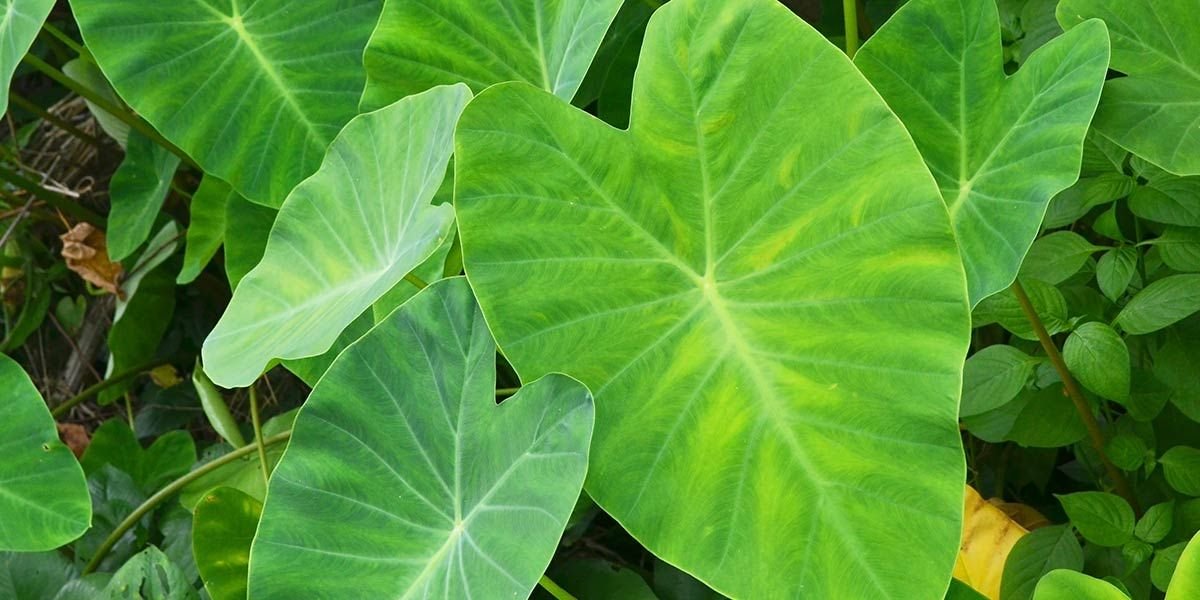
Heart-shaped foliage brings an immediate sense of warmth, symmetry, and lush vitality to indoor spaces. Indoor growers often seek out these distinctive plants because the cordate (heartlike) silhouette stands out against common linear or oval houseplant foliage.
Because species across entirely different plant families share this iconic leaf outline, identifying specific plants can quickly get confusing. A trailing aroid like a philodendron shares a visual outline with a thick succulent like a hoya, yet their watering schedules, light tolerances, and soil needs are completely opposite.
This guide breaks down 15 popular green plants with heart-shaped leaves, giving you exact care parameters, physical markers, growth habits, and placement advice to help you select the ideal match for your living space.
How to Recognize a True Heart-Shaped Leaf
Recognizing a heart-shaped leaf requires looking past color and focusing on key physical structure markers. Botany uses the term cordate to describe leaves that join the stem at a notched, indented base while tapering to a distinct point at the apex.
Observe the leaf notch where the petiole connects to the leaf blade. True heart shapes display symmetrical lobes on either side of the stem connection. Some species feature deep, rounded top lobes that curl inward, while others show shallow, broad curves.
Apex shapes vary considerably across species. Certain heart-shaped leaves end in sharp, dramatic drip tips designed to shed excess water in tropical environments. Other species display soft, rounded tips that remain wide across the upper blade.
Leaf thickness provides immediate clues about a plant’s origin and internal water storage capabilities. Thin, papery leaves usually belong to high-humidity rainforest plants that require consistent moisture. Thick, leathery, or succulent blades hold internal water reserves and tolerate dry indoor air much better.
Growth habit completely changes how a heart-shaped leaf presents in your space. Vining and trailing plants drop thin stems downward, showcasing rows of cascading hearts along a vine. Upright and clumping plants produce large single leaves on thick, self-supporting petioles rising straight from the root base.
Texture and surface finish divide these plants into distinct visual categories. You will encounter reflective, glossy surfaces, velvety matte textures that absorb light, and waxy coats that shield the plant from moisture loss. Color ranges from deep forest green and lime to intricate silver veining and varigated cream patterns.
1. Heartleaf Philodendron (Philodendron hederaceum)
This is the plant most people picture when they hear heart-shaped houseplant. Its blades are glossy and smooth, finished with a sharp drip tip. Botanist Nikolaus von Jacquin first described it in 1760, and the old trade labels P. scandens and P. oxycardium still linger in garden centers.
Indoors it trails 3 to 6 feet, or climbs past 10 feet up a moss pole as its aerial roots grip the support. Leaves average 2 to 4 inches wide. Give it medium to bright indirect light. It handles a dim corner well, but long stretches of low light stretch the nodes into leggy stems. Water once the top half of the soil dries, using a mix of peat or coco coir, perlite, and orchid bark. It forgives missed waterings, which is why it tops nearly every beginner list. Like all aroids, it is toxic to dogs and cats per the ASPCA.
2. Golden Pothos (Epipremnum aureum)
Golden Pothos carries broad hearts splashed with yellow, cream, and gold, and the blades feel thicker and waxier than a philodendron’s. The species traces to the island of Mo’orea in French Polynesia. Taxonomists moved it through several genera before George Bunting settled it into Epipremnum aureum in 1964.
Vines reach 6 to 10 feet indoors, with mature leaves 4 to 8 inches across. Bright indirect light pulls out the richest variegation, while low light fades the streaks back toward plain green. Let the mix dry almost completely between waterings, since these roots rot easily in constantly wet soil. A coarse potting mix with 20 percent perlite works well. The ASPCA lists it as toxic to pets, so keep it elevated. Beginners confuse it with the Heartleaf Philodendron constantly. The tell is the stem. Pothos petioles carry a faint ridge, philodendron petioles are smooth and round, and only philodendron produces a papery cataphyll sheath that dries and clings to the vine.
3. Satin Pothos (Scindapsus pictus)
Despite the name, Satin Pothos is not a true pothos. It sits in its own genus, Scindapsus, and comes from the forests of Southeast Asia. Its thick, gently curved leaves carry a velvety matte finish, dusted with silver blotches that catch light like frost. That shimmer comes from tiny air pockets under the leaf surface, not from pigment.
This slow grower trails 3 to 5 feet, with leaves 2 to 4 inches long that curve to one side into a lopsided heart. Bright indirect light keeps the silver vivid, while low light thins it and direct sun bleaches it out. Water when the top 2 inches feel dry. The plant signals thirst clearly, curling its leaf edges inward. A porous mix of peat, perlite, and pine bark suits it. As an aroid, it is toxic to pets. Growers favor ‘Argyraeus’ and ‘Exotica’ for that silvery matte accent.
4. Sweetheart Hoya (Hoya kerrii)
Sweetheart Hoya grows exceptionally thick, succulent blades shaped like near-perfect hearts. They feel hard and leathery because they store water for long stretches. Native to Thailand and nearby Southeast Asia, it was named for Arthur Francis George Kerr. Like other Hoyas it runs on CAM photosynthesis, opening its pores at night, which is why it drinks so rarely.
Grown as a full vine it reaches 6 to 12 feet over years and produces fragrant star-shaped flower clusters. The single-leaf cuttings sold in tiny pots are different. A lone leaf roots and lives for years but almost never vines, because only a buried stem node holds tissue capable of new growth. Give it bright indirect light plus 1 to 2 hours of direct morning sun, and treat it like a cactus by letting the pot dry out fully. Use 50 percent succulent soil and 50 percent perlite or pumice. Best of all, the ASPCA lists Hoya as non-toxic to dogs and cats.
5. Arrowhead Plant (Syngonium podophyllum)
The Arrowhead Plant changes shape as it ages, a trait botanists call heteroblasty. Juvenile leaves are full, compact hearts. As the plant matures and climbs, they split into arrowheads and finally multi-lobed compound leaves. Native from Mexico through Central and South America, it offers dozens of cultivars.
Indoors it starts as a bushy clump 1 to 2 feet tall before vining out 3 to 6 feet. Give it medium to bright indirect light. Darker cultivars tolerate lower light, while variegated pink and white forms need brighter spots to hold their color. Keep the soil consistently moist but never soggy, watering when the top inch dries. Drooping stems mean thirst, yellowing lower leaves mean too much water. A rich mix with 20 percent perlite balances both. The ASPCA lists it as toxic to pets. A rounded young plant that suddenly pushes out split leaves is simply making the natural jump from juvenile to adult growth.
6. Anthurium (Anthurium andraeanum)
Anthurium earns its place on thick, leathery foliage and flowers that last for weeks. The bold heart-shaped flower is a trick. What looks like a waxy red petal is a modified leaf called a spathe, and it wraps the true flowers on the fleshy central spike, the spadix. The species comes from the cloud forests of Colombia and Ecuador and was named for the French botanist Édouard André.
Home plants reach 1 to 2 feet tall with leaves 4 to 8 inches long. Bright indirect light is the trigger for continuous spathe production. Direct sun burns the leaves and low light shuts flowering down. Water when the top inch dries, using room-temperature filtered water or rainwater, since these plants are sensitive to the mineral buildup that browns leaf tips. Mix potting soil with orchid bark and coarse perlite for an airy root zone. The ASPCA lists it as toxic to dogs and cats.
7. Peperomia Cupid (Peperomia nitida)
Peperomia Cupid carries small, fleshy hearts along thin reddish-pink stems in a soft lime green. A note on the name, because nurseries muddle it. The accepted name in Kew’s Plants of the World Online is Peperomia nitida, though it is often mislabeled P. scandens in the trade. Either way, it is a member of the pepper family and behaves as a semi-succulent.
This compact plant grows 6 to 12 inches high with trailing stems reaching 12 to 24 inches, and the hearts stay under 1 inch. It thrives in medium to bright indirect light and copes with fluorescent office lighting, which makes it a dependable desk plant. Because it stores water in those thick leaves, let the top half of the soil dry before watering. A light mix of 60 percent potting soil and 40 percent perlite keeps drainage quick. When you need a heart-leafed plant that stays genuinely small, this is the one to reach for first, and the ASPCA lists all Peperomia as non-toxic.
8. String of Hearts (Ceropegia woodii)
String of Hearts spills thread-thin purple stems lined with tiny succulent hearts, silver-marbled on top and purple beneath. This is not a rainforest plant. It is a semi-succulent from the dry rocky slopes of South Africa, Eswatini, and Zimbabwe, and it runs on the same water-thrifty CAM photosynthesis as the Hoya. Botanist John Medley Wood found it hanging from cliffs in 1881, and it reached Kew in 1894, when Rudolf Schlechter described it.
The vines cascade 3 to 10 feet, with leaves about half an inch wide. It needs bright indirect light plus 1 to 2 hours of direct sun. Good light keeps the leaf pairs packed tight, while low light stretches long bare gaps between them, the most common complaint about this plant. Treat it as a succulent and let the pot dry fully. Little bead-like tubers along the stems, the source of its Rosary Vine nickname, root into new plants when they touch soil. The ASPCA lists it as non-toxic to pets.
9. Caladium (Caladium hortulanum)
Caladiums grow thin, paper-like hearts on long petioles rising from underground tubers, splashed with pink, red, white, and green across vivid veins. Most cultivated forms descend from Caladium bicolor, native to the tropical Americas, and the fancy-leaf hybrids are grouped as Caladium x hortulanum.
Plants form compact clumps 1 to 2 feet tall and wide, with leaves 6 to 12 inches long. They need bright indirect light to hold their patterns. Direct sun scorches the paper-thin foliage, and low light leaves weak, floppy stems. Keep the soil evenly moist through spring and summer and never let it dry out completely while the plant is in leaf, but avoid standing water, which rots the tuber. A peat-based mix with 20 percent perlite balances the two. The ASPCA lists Caladium as toxic to pets. What sets this plant apart is its rhythm. It grows hard through summer, dies back to the soil in autumn, and rests dormant through winter before pushing fresh leaves in spring, so do not discard the pot when it vanishes.
10. Alocasia ‘Tiny Dancer’ (Alocasia hybrid)
Alocasia ‘Tiny Dancer’ is a modern hybrid built for small spaces. It carries small, cupped hearts on long, arching stems so delicate they sway with any air current, which is where the name comes from. Mature size stays refined at 12 to 18 inches tall and 8 to 12 inches wide.
It needs bright indirect light, and consistent filtered light keeps the thin stems from leaning toward the window. Keep the soil evenly damp but not saturated, watering when the top inch dries slightly. Alocasias hate drying out and respond with yellowing leaves. A loose mix of peat, perlite, and fine bark protects the sensitive tuberous roots from rot. As an aroid, it is toxic to pets. Be honest with yourself before buying this one. It demands humidity above 50 percent and steady moisture, and it sulks the moment conditions swing, so it suits attentive growers rather than hands-off ones.
11. Homalomena (Homalomena rubescens)
Homalomena produces broad, dark green hearts with deeply impressed veins, carried on stout petioles that often flush red or purple against the green. Native to tropical Asia, from India through southern China and Southeast Asia, this aroid stays reliable where showier plants struggle.
Indoors it builds a rounded mound 1.5 to 3 feet tall and 2 to 3 feet wide, with leaves 6 to 10 inches long. It adapts to low and medium indirect light, tolerating darker corners better than most large-leaved tropicals, though moderate light speeds up growth. Water when the top 1 to 2 inches feel dry. It prefers steady moisture but handles a dry spell far better than a temperamental Alocasia. A peat-based mix with 30 percent perlite drains freely while holding moisture. The ASPCA lists it as toxic to pets. It gives the broad tropical look of an Alocasia with far less risk of leaf loss.
12. Heartleaf Fern (Hemionitis arifolia)
The Heartleaf Fern breaks every expectation about ferns. Instead of lacy fronds it grows solid, deep green, glossy hearts on thin dark stems, and they feel surprisingly leathery. A note on the name, because this species has a tangled history. Long sold as Hemionitis arifolia, it now appears in botanical databases as Parahemionitis arifolia or Mickelopteris cordata. Whatever the label, it belongs to the ribbon-fern family (Pteridaceae) and comes from the humid forests of South and Southeast Asia.
This dwarf fern stays compact at 6 to 10 inches high, with fronds 2 to 3 inches across. It thrives in medium indirect light. Direct sun scorches the fronds and deep shade weakens the stems. Keep the soil consistently moist at all times, because even a brief dry spell crisps the fronds and drops them. A moisture-retentive mix of sphagnum peat, compost, and 20 percent perlite holds water without drowning the roots. It demands 60 percent humidity or higher, so it performs best in a terrarium or a steamy bathroom. The payoff for the fuss is a genuinely pet-safe fern, listed non-toxic by the ASPCA.
13. Variegated Cupid Peperomia (Peperomia nitida ‘Variegata’)
The variegated Cupid Peperomia offers the same small hearts, now edged in broad bands of cream and pale yellow around soft green centers, on arching pinkish stems. It shares the accepted name Peperomia nitida with its solid-green sibling and is widely sold as P. scandens ‘Variegata’.
The plant reaches 6 to 8 inches tall with trailing stems cascading 12 to 18 inches, and the leaves stay under 1 inch. This form needs brighter light than the plain green version, because the cream sections hold little or no chlorophyll and the plant leans on its green tissue to make energy. Let the top half of the soil dry before watering, since the thick leaves store water and resent saturated soil. A quick-draining blend of potting mix, perlite, and coarse sand suits it. Like all Peperomia it is non-toxic to pets. Its trailing habit and pale stems make it a pet-safe swap for a miniature pothos.
14. Juvenile Monstera deliciosa
In its youth, Monstera deliciosa hides its most famous feature. Young plants push out solid, glossy hearts with none of the splits and holes that make the mature plant iconic. Native to the rainforests of southern Mexico and Central America and first described by Frederik Liebmann in 1849, it is often nicknamed the Swiss Cheese Plant for leaves it has not grown yet.
Juvenile plants stand 1 to 3 feet tall, with leaves 5 to 10 inches long before the holes, called fenestrations, form. Botanists have a leading theory for those holes. In the dim understory, a perforated leaf lets scattered sunflecks pass to lower leaves and stands up better to heavy rain and wind. Give it bright indirect light, which is exactly what drives the shift from juvenile hearts to split adult leaves. Water when the top 2 to 3 inches dry out. A coarse mix of peat, perlite, orchid bark, and compost supports it, and a mature plant wants a sturdy pole for its aerial roots. The ASPCA lists it as toxic to pets. The holes only appear once the plant gets enough light and size.
15. Velvet Philodendron (Philodendron micans)
The Velvet Philodendron is the collector’s version of the classic heartleaf. Botanically it is a velvety-leaved form of Philodendron hederaceum, native to the Caribbean, Mexico, and Central America. Its soft, iridescent hearts carry a matte velvet texture that shifts through bronze, deep green, and rust red, with purple flushing the undersides.
Trailing vines run 3 to 6 feet indoors, with leaves 2 to 4 inches across. It thrives in medium to bright indirect light. Bright light deepens the bronze and red on new growth, while low light flattens the plant to plain green. Water when the top half of the soil dries, since it tolerates a short dry spell far better than wet feet. A coarse, airy mix of peat, perlite, and orchid bark keeps the root zone open. Trained up a moss pole, its leaves grow larger and space closer together. The ASPCA lists it as toxic to pets. The velvet finish and shifting colors make it a collector favorite.
Which Heart-Shaped Plant Is Right for Your Home?
Selecting the right plant depends on matching your space’s lighting, humidity, and maintenance availability with the specific needs of each species.
| Category | Recommended Plant | Why It Fits |
| Lowest Maintenance | Heartleaf Philodendron | Tolerates missed waterings, copes with varying light levels, and resists common pests. |
| Best for Beginners | Golden Pothos | Adjusts well to indoor conditions and clearly shows when it needs water. |
| Fastest Growing | Heartleaf Philodendron / Golden Pothos | Stems can grow several inches per month during spring and summer. |
| Small Apartments | Peperomia Cupid | Maintains a compact footprint without outgrowing small spaces. |
| Hanging Baskets | Satin Pothos / String of Hearts | Produces long, cascading stems that drape downward over pot edges. |
| Office Desks | Variegated Cupid Peperomia | Adapts well to fluorescent office lighting and requires infrequent watering. |
| Low-Light Rooms | Homalomena | Retains its deep green foliage and compact shape in darker spaces. |
| Bright Rooms | Sweetheart Hoya | Requires bright, indirect light to maintain its thick, succulent leaves. |
| Pet-Friendly Homes | Peperomia Cupid / String of Hearts | Entirely non-toxic to dogs and cats. |
Common Care Mistakes That Damage Heart-Leaf Houseplants
- Overwatering: Excess water fills air pockets in the soil, starving roots of oxygen and leading to root decay. This often causes yellowing leaves, soft stems, and sudden leaf loss.
- Insufficient Light Exposure: Placing plants far from windows leads to stretched stems, small leaves, wide node spacing, and loss of variegated leaf patterns.
- Inadequate Soil Drainage: Standard dense potting soils trap moisture around root systems. Always use pots with bottom drainage holes and lightened potting mixes containing perlite or bark.
- Low Ambient Humidity: Dry air from indoor heating units causes leaf tips to brown, crisp, and curl, especially on thin-leaved species like Heartleaf Ferns and Caladiums.
- Cold Air Exposure: Cold drafts from windows, exterior doors, or air conditioning vents cause sudden leaf drop and stem damage in tropical foliage plants.
- Excessive Fertilization: Over-applying fertilizer causes salt buildup in the potting mix, burning root tips and causing dark spots or brown edges on leaves.
- Unaddressed Pest Infestations: Spider mites, mealybugs, and scale insects feed on plant sap under leaves and at node connections. Check foliage regularly and treat pests early with insecticidal soap.
Frequently Asked Questions
Which green plant has naturally heart-shaped leaves?
The Heartleaf Philodendron (Philodendron hederaceum) is the classic green houseplant with naturally heart-shaped leaves. Other species with natural heart-shaped foliage include Sweetheart Hoya, Golden Pothos, and Heartleaf Fern.
Are heart-shaped houseplants easy to grow?
Yes, many heart-shaped houseplants like Heartleaf Philodendron, Golden Pothos, and Peperomia Cupid are exceptionally easy to grow. They adapt well to indoor environments, tolerate missed waterings, and handle varying light conditions.
Which heart-shaped plant grows fastest indoors?
Golden Pothos and Heartleaf Philodendron are the fastest-growing heart-shaped plants indoors. Under bright, indirect light, their vines can grow several inches each month during the active spring and summer seasons.
Are heart-shaped philodendrons toxic to pets?
Yes, Heartleaf Philodendron and Velvet Philodendron contain insoluble calcium oxalate crystals. These compounds irritate the mouth, tongue, and throat of dogs and cats if chewed or swallowed, making them toxic to pets.
What’s the difference between pothos and heartleaf philodendron?
Heartleaf Philodendron leaves are smoother, thinner, and feature a sharp drip tip at the apex with smooth petioles. Pothos leaves are thicker and waxed, with ridged petioles and variegated patterns, and lack the dry stem sheaths (cataphylls) found on philodendrons.