
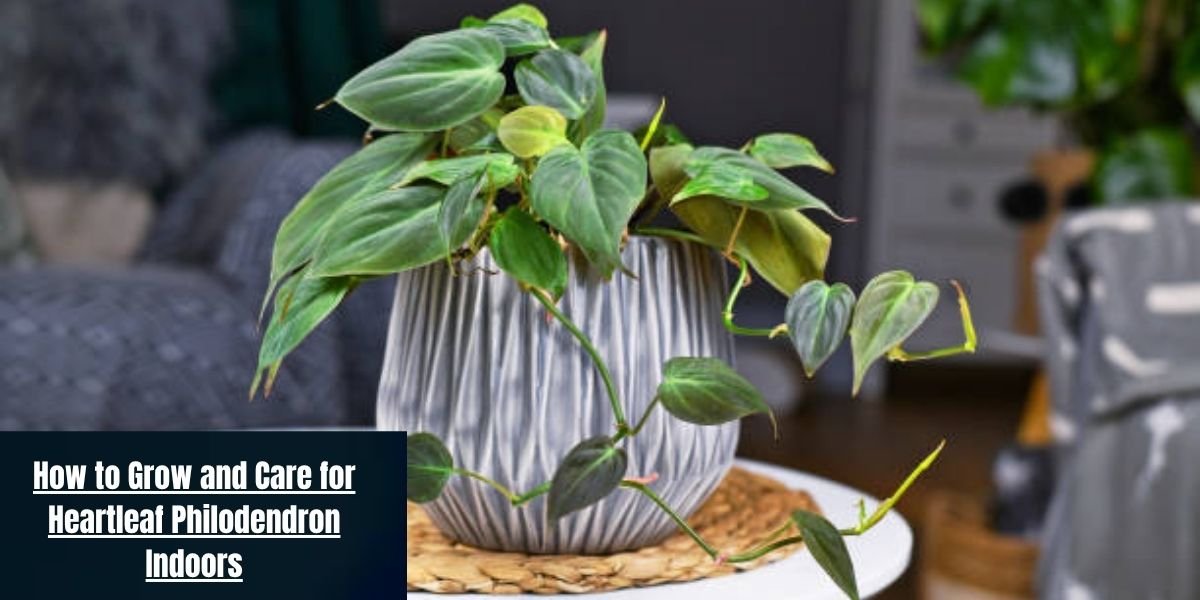
Few houseplants forgive as much as the heartleaf philodendron. Botanically known as Philodendron hederaceum, this trailing tropical vine has earned its permanent spot on windowsills and bookshelves worldwide. It routinely survives missed waterings, extended periods of low light, and the typical mistakes that would kill fussier tropicals. Its glossy, deep-green, heart-shaped leaves grow along slender vines that either trail gracefully from a hanging basket or climb upward when given proper support.
What makes this plant fascinating is how drastically its appearance shifts based on environmental conditions. A neglected specimen sitting on a dim, forgotten shelf will survive, but it will remain thin, leggier, and sparse. That same plant, when given a damp moss pole, bright filtered sun, and consistent feeding, transforms completely, producing leaves nearly double their juvenile size.
This guide breaks down the practical care decisions that separate a plant that merely survives from one that fills a room with lush, climbing foliage. You will learn how to read soil moisture by feel rather than relying on a rigid calendar, how to mix a true fast-draining potting soil, how to propagate fresh plants from single node cuttings, and how to spot environmental stress the moment a leaf changes color.
Heartleaf Philodendron at a Glance
| Feature | Details |
| Botanical Name | Philodendron hederaceum (formerly Philodendron scandens) |
| Common Names | Heartleaf philodendron, sweetheart plant, philodendron cordatum |
| Plant Type | Evergreen perennial vine |
| Mature Size | Trails 4 to 6 feet indoors; grows much longer when trained vertically |
| Growth Habit | Trailing or climbing, depending on support |
| Light Preference | Bright, indirect sunlight |
| Water Needs | Moderate; allow topsoil to dry out between thorough soakings |
| Toxicity | Toxic to cats and dogs due to insoluble calcium oxalate crystals |
| Native Habitat | Tropical rainforests of the Caribbean and Central America |
| USDA Hardiness | Zones 9b through 11 (outdoors) |
Choosing the Right Spot Indoors
The advice to provide “bright, indirect light” gets thrown around so often in plant care that it loses practical meaning. What actually dictates your plant’s health is window orientation and physical distance from the light source.
- East-Facing Windows: This is your ideal window setup. Morning sunlight is soft enough that the foliage can sit right on the glass without burning, providing several hours of gentle light before afternoon heat sets in.
- North-Facing Windows: North exposures offer gentle, diffuse light throughout the day. While safe, the intensity is lower, so your plant needs to sit within two to three feet of the glass. Place it any farther back, and growth slows to a crawl, producing smaller, weaker leaves.
- South-Facing Windows: South exposures deliver intense, long-lasting rays. Placing a heartleaf philodendron directly on a southern sill during peak midsummer sun leads to bleached, scorched leaves. Pulling the pot back three to five feet, or filtering the window with a sheer curtain, gives the plant high-energy light without thermal damage.
- West-Facing Windows: West windows build up significant heat during late afternoon hours. If you keep your plant here, pull it back a few feet from the glass and check soil moisture more frequently, as high afternoon temperatures dry root balls out quickly.
Distance from the glass matters just as much as direction. A plant sitting six feet deep into a room receives a fraction of the usable light compared to one on the sill, regardless of where the window faces. A good rule of thumb: if you cannot comfortably read a physical book by natural light at the plant’s location, there isn’t enough brightness for vigorous growth.
When a plant craves more light, it stretches out. Stem gaps widen, a state known as etiolation, new foliage emerges noticeably smaller, and the leaves lose their dark, glossy hue. Conversely, excess light causes crispy, bleached patches, a washed-out yellow tint, or leaves that curl inward to protect their inner cells from heat stress.
Mastering Soil Moisture Without Overwatering
Most plant guides tell you to “water when the top inch of soil feels dry.” That advice is incomplete. The top layer of soil can dry out within 24 hours while the deeper root ball remains completely saturated.
A better method involves checking moisture deep inside the pot. Insert a plain wooden skewer or chopstick two to three inches deep into the soil and leave it for a minute.
- Clean and dry skewer: The root zone is dry. Water thoroughly.
- Slightly damp with tiny soil specks: Wait another day or two before rechecking.
- Dark, wet soil clinging to the wood: The roots are sitting in heavy moisture. Do not add water.
Watering needs shift with the seasons. During spring and summer, when the vine pushes out fresh growth, soil dries out quickly, requiring water every five to seven days. In late autumn and winter, growth slows or pauses entirely; the same pot may only need a drink every two to three weeks. Watering on a rigid, calendar-based routine regardless of environmental changes is the fastest way to rot the root system.
Your choice of potting soil also changes your watering frequency. A coarse, highly aerated mix loses moisture far faster than dense, peat-heavy soil. A heartleaf planted in a loose, coarse mix needs water more frequently, but this is a benefit, it means oxygen is reaching the roots and the risk of fungal rot drops significantly.
Overwatered plants develop yellowing leaves that feel soft, limber, or mushy, often accompanied by a damp, sour odor near the drainage holes and soft, darkened stems near the base. Underwatering looks completely different: leaves feel papery and thin, edges curl inward while retaining their green color, and the potting mix shrinks away from the inside edges of the pot.
Important Note: Drooping leaves do not automatically mean a plant is thirsty. Severe root loss from overwatering prevents the plant from absorbing water, causing it to droop as if it were dry. Always check root-zone moisture before pouring more water into an already saturated pot.
Mixing a Fast-Draining Potting Mix
Standard bagged potting soils are formulated for outdoor gardens and heavy containers. Indoors, these mixes retain too much water for an epiphytic vine. In their natural habitat, heartleaf philodendrons scramble up mossy tree trunks and rot-resistant bark, where their roots stay exposed to constant airflow and quick-draining organic debris.
To recreate this environment indoors, build a custom soil mix using three core components:
- 2 Parts Standard Potting Soil or Coco Coir (provides a stable base and light nutrient retention)
- 1 Part Perlite or Pumice (creates aeration pockets and prevents compaction)
- 1 Part Coarse Orchid Bark (adds chunkiness, mimics native tree-bark environments, and accelerates drainage)
Drainage holes are non-negotiable. Roots trapped in stagnant water starve for oxygen, allowing anaerobic bacteria to rot the tissue within days. Once rot takes hold, it travels up the core stem, killing entire sections of the plant. Always dump out any standing water that collects in the catch saucer twenty minutes after watering.
Container materials directly affect how moisture behaves:
- Unglazed Terracotta: Porous walls absorb water and allow rapid evaporation. Excellent for growers who tend to overwater or live in humid regions.
- Plastic or Ceramic Pots: Impermeable walls hold soil moisture much longer. Great for growers who frequently forget to water or live in arid environments.
Temperature and Humidity Requirements
Heartleaf philodendrons thrive in typical home temperatures between 65°F and 85°F (18°C to 29°C). They handle short dips down to 60°F without issue, but sustained temperatures below 55°F (13°C) stunt growth, and cold drafts below 50°F (10°C) cause dark, cell-damaged spots on the leaves.
Relative humidity between 40% and 60% yields the fastest growth and largest leaves. While the plant tolerates dry, ambient indoor air, higher humidity produces noticeably glossier, broader foliage.
Winter introduces two major stressors: indoor heating drops air humidity drastically, while shorter days trigger semi-dormancy. Placing a plant directly over a floor vent or radiator cooks the leaves, drying out leaf tips even when the roots have water. Summer air conditioning can be equally damaging if cold air blows straight onto the foliage.
To boost air moisture safely:
- Group Plants Together: Clustering several houseplants creates a localized microclimate through natural leaf transpiration.
- Use a Pebble Tray: Sit the pot on a tray filled with pebbles and water, ensuring the bottom of the pot stays above the water line to prevent wick-soaking the roots.
- Run a Cool-Mist Humidifier: Position a small humidifier a few feet away during winter months for consistent results.
Feeding Strategy for Active Growth
Fertilizer should only be applied when the vine is actively growing—typically from early spring through early autumn. Applying fertilizer to a dormant winter plant leads to salt buildup that burns delicate root tips.
During spring and summer, feed every four weeks using a balanced liquid houseplant fertilizer diluted to half strength. Alternatively, you can feed at one-quarter strength every second watering to provide a steady supply of nutrients.
As daylight hours shorten in autumn, reduce feeding to once every six to eight weeks. Stop fertilizing entirely through December and January, resuming only when fresh spring leaf buds begin to unfurl.
Over-fertilization manifests as brown, crispy leaf margins, a crusty white mineral layer on the topsoil, and sudden wilting despite wet soil. If you suspect fertilizer burn, perform a soil flush: sit the pot over a sink and run fresh room-temperature water through the soil for several minutes. Let it drain completely to flush out accumulated fertilizer salts.
How to Keep Vines Full and Bushy
A frequent issue with heartleaf philodendrons is a long, stringy vine with sparse leaf placement. This isn’t a permanent flaw; it’s simply a sign that the plant needs pruning and proper structural support.
Pruning forces lower stem nodes to branch out. When you cut a trailing vine just above a leaf node, you remove the plant’s terminal bud, breaking apical dominance. This signals the vine to send out fresh shoots from nodes higher up the stem, turning a thin, single-strand vine into a bushy specimen.
Pinching works on the same principle: simply pinch off the active growing tip of a vine using your fingernails to redirect growth energy into dormant side buds.
You can also combine trailing and climbing growth habits on a single plant:
- Trailing Vines: Hanging from a shelf or basket, vines cascade downward. Leaves remain in their smaller, juvenile form and stay uniform in size.
- Climbing Vines: Trained up a damp moss pole or wooden trellis, aerial roots grip the support surface. Once the plant senses vertical support, it transitions to a mature growth phase, producing dramatically larger leaf blades.
Repotting Guidelines
Heartleaf philodendrons prefer being slightly root-bound, but when roots completely fill the pot and form a dense mesh, growth stalls. Signs that it’s time to repot include roots poking out of drainage holes, water running straight through the pot without soaking in, and soil drying out every 48 hours.
When stepping up pot size, choose a container that is only one to two inches larger in diameter than the current pot. A dramatic jump in container size leaves a large perimeter of fresh soil that holds excess water long before the roots can grow into it, drastically increasing rot risks.
After repotting, keep the plant in medium, indirect light for a week, keep the soil lightly damp, and hold off on fertilizer for four weeks while the root system recovers. Minor drooping during the first week is normal transplant shock and resolves on its own.
Propagation Step-by-Step
Propagating a heartleaf philodendron is remarkably simple. Because every leaf node contains root-initiating tissue, fresh plants can easily be grown from simple stem cuttings.
Water Propagation vs. Soil Propagation
| Method | Advantages | Key Steps |
| Water Propagation | Easy to monitor root development visually; high success rate. | Submerge at least one node in clean water while keeping leaves dry. Replace water every 4–5 days to maintain oxygen levels. |
| Soil Propagation | Roots grow adapted to soil immediately, avoiding transfer shock. | Dip lower nodes in rooting hormone and plant directly into moist, coarse soil mix. Keep humidity high using a clear plastic cover. |
- Node Selection: Always ensure your cutting contains at least one clear node, the small raised bump along the stem where leaves and aerial roots meet. Cuttings made without a node will never produce roots.
- Cutting Preparation: Use clean, sharp shears to take a 4-to-6-inch cutting containing 2 to 3 nodes and a few healthy leaves. Snip off the lowest leaf to expose the bottom node.
- Transplanting Window: Transfer water-propagated cuttings into soil when fresh roots reach one to two inches in length. Waiting too long creates fragile “water roots” that struggle to adapt to dense soil media.
Troubleshooting Common Care Problems
Yellow Leaves
Yellowing foliage stems from a few distinct causes:
- Overwatering: Yellow leaves feel limp, soft, or watery. Soil stays damp for long periods.
- Natural Aging: Lower, older leaves near the base of the vine turn bright yellow and drop off one by one. This is normal turnover, not a care issue.
- Nutrient Deficiency: Pale, washed-out yellowing across the entire plant indicates the soil nutrients are exhausted.
Brown Leaf Margins
Crispy brown edges point to three distinct issues:
- Low Ambient Humidity: Dry leaf edges occur during winter heating months.
- Mineral Salt Buildup: Browning starts at the leaf tip and moves backward, caused by tap-water minerals or excess fertilizer.
- Inconsistent Moisture: Cycling between bone-dry soil and waterlogged soil stresses leaf edges, causing brown patches.
Curling Foliage
Leaves curl inward to conserve moisture. Check for cold drafts, hot air vents, or intense direct sunlight striking the leaf surface.
Leggy Stem Growth
Wide gaps between leaves indicate the plant is stretching toward a distant light source. Move the pot closer to a window and trim back sparse stems to encourage dense regrowth.
Small Leaf Production
If fresh growth remains small, check light levels first. If light is sufficient, supply a moss pole, climbing vertically triggers the plant to produce mature, larger foliage.
Common Indoor Pests
- Spider Mites: Thrives in dry indoor air, appearing as tiny specks on leaf undersides with fine webbing along stem junctions. Fix: Wipe down leaves with damp cloths and boost humidity.
- Mealybugs: Appears as fluffy, white cotton-like masses in leaf armpits and stem joints. Fix: Dab individual bugs using a cotton swab dipped in 70% isopropyl alcohol.
- Fungus Gnats: Small black flies hovering around the soil line. They feed on decaying organic matter in wet soil. Fix: Allow the top two inches of soil to dry out completely between waterings.
- Scale Insects: Hard, immobile brown bumps attached to stems and leaf veins. Fix: Scrape them off manually using a soft brush, then treat the plant with horticultural oil or neem oil.
Heartleaf Philodendron vs. Pothos (Epipremnum aureum)
These two popular trailing vines are constantly confused, but key physical characteristics make them easy to tell apart:
| Feature | Heartleaf Philodendron | Golden Pothos (Epipremnum) |
| Leaf Texture | Smooth, thin, matte/velvety | Thick, smooth, waxy, rubbery |
| Leaf Shape | Symmetrical heart shape with a tapered tip | Asymmetrical base with subtle ridging |
| Stem Details | Thin, rounded, often shows pink/bronze tones | Thick, sturdy, grooved along the top |
| New Growth | Emerges from a dry papery sheath (cataphyll) | Unfurls directly from the previous leaf stem |
| Aerial Roots | Produces single, slender roots per node | Produces thick root nubs or clusters per node |
Toxicity and Pet Safety
Heartleaf philodendrons contain insoluble calcium oxalate crystals. When chewed, these microscopic crystals penetrate delicate tissues in the mouth, tongue, and throat.
Keep this plant on high shelves, atop tall furniture, or secured in ceiling-mounted hanging baskets out of reach of pets and young children. Ensure trailing vines are trimmed short or routed along wall hooks so they don’t dangle within jumping distance of curious animals.
Seasonal Care Calendar
- Spring: Resume feeding at half-strength. Check if roots have outgrown the pot, repot if necessary, and increase watering frequency as fresh growth appears.
- Summer: Peak growth period. Prune vine tips to encourage bushy growth, take stem cuttings for propagation, and monitor soil moisture during hot spells.
- Autumn: Scale back feeding frequency as days shorten. Bring outdoor-stationed plants back inside before night temperatures dip below 55°F (13°C).
- Winter: Pause fertilizing entirely. Allow the potting mix to dry out significantly deeper between waterings, keep leaves clear of dust, and shield foliage from cold window panes and dry heater drafts.
Frequently Asked Questions
How fast does a heartleaf philodendron grow indoors?
During spring and summer, healthy vines grow 12 to 18 inches per month when provided with bright indirect light and routine fertilization.
Can a heartleaf philodendron grow in low light?
It survives in low-light conditions better than many tropical plants, but growth will slow significantly and stems may become sparse over time.
Should it climb or trail?
It performs well in both styles. Trailing creates soft cascading foliage from shelves, while climbing up a moss pole yields larger leaf sizes and faster growth.
How often should I water it?
Water every 7 to 10 days during spring and summer, extending the interval to every 14 to 21 days during winter months based on soil dryness.
Why are the leaves turning yellow?
Overwatering is the primary cause. Check if the soil feels soggy or if the container is holding water at the bottom.