
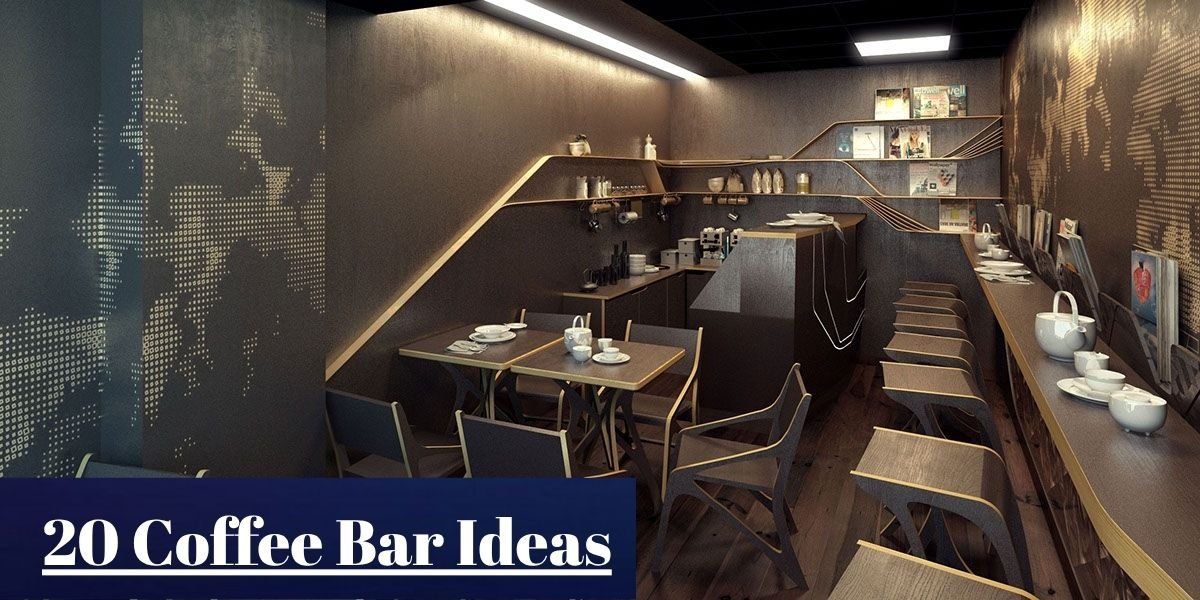
A dedicated coffee bar turns the first ten minutes of the day from a scramble into something closer to a small ceremony. In most kitchens, coffee gear lives everywhere at once. The machine sits by the toaster, mugs migrate to the dish rack, and pods pile up in a random drawer. Pulling all of it into one defined zone fixes that sprawl and gives every single tool a permanent home.
The payoff goes far beyond tidiness. A station of its own frees up prime prep counter and pulls beverage preparation directly out of the primary work triangle, the path between range, sink, and refrigerator that kitchen designers treat as the busiest stretch of any room. One person can pull a shot of espresso while another cracks eggs for breakfast without a single collision. Whether you claim an unused niche, a rolling cart, or an 18-inch run of counter, a considered setup earns its footprint every single morning.
Choose the Right Location
Location decides almost everything that follows, so settle it long before buying a single shelf bracket. Three things matter most here: where the power sits, where the water is, and how people move through the room during peak hours.
Countertop vs Built-In Station
Claiming a section of existing counter is the fastest route and requires zero demolition. It keeps your machinery right at working height, typically 36 inches from the floor, making tamping espresso or pouring hot water completely natural.
A built-in cabinet or a recessed wall niche delivers a fully custom aesthetic. It requires a larger budget, but it cleans up visual lines instantly by letting you tuck a noisy grinder behind closed doors when company arrives.
Corner Spaces
Corners represent the most wasted real estate in a standard L-shaped layout. Angling a station across a corner reclaims that dead triangle without stealing an inch from your main prep runs.
The natural bend also yields surprising depth behind the machine. That rear pocket creates the perfect hidden spot for storing bags of whole-bean coffee or keeping bulk paper filters within arm’s reach.
Pantry Coffee Bar
When main counter space is genuinely maxed out, a pantry shelf offers an exceptionally smart alternative. It keeps power cords, grinder noise, and bean bag clutter completely out of sight behind a closed door.
Measure your vertical clearances carefully before committing to this spot. Bean hoppers and lift-up water reservoirs on home espresso machines often require 16 to 20 inches of total headroom. Installing a pull-out shelf on full-extension glides makes refilling water tanks far less awkward.
Unused Cabinets
A deep base cabinet or an upper wall unit can be reworked into functional storage that earns its keep. Retrofit an upper cabinet with custom mug racks, or remove lower cabinet doors entirely to insert slide-out wooden crates.
These open lower crates work brilliantly for stashing extra milk cartons, backup bean bags, and machine cleaning tablets right where you need them.
Wall Niches
Recessing a station between wall studs adds pure function without taking away a fraction of floor or counter square footage. These setups excel in narrow pass-throughs or transitional hallways leading into the main kitchen area.
Standard wall studs only leave about 3.5 inches of interior depth. Furring the wall out to roughly 6 inches creates plenty of room for floating shelves, specialized glassware, and syrup bottles.
Near Water Source
Siting your bar near a water supply pays dividends every morning. Filling reservoirs, rinsing portafilters, and washing out spent grounds all become effortless when the tap sits just a step away.
If your main kitchen sink sits too far across the room, positioning the setup near a refrigerator equipped with an integrated water dispenser provides an ideal fallback solution.
Power Outlet Planning
Running a heavy machine, a precision burr grinder, and an electric kettle simultaneously pulls substantial current. The underlying electrical circuit matters just as much as the wall receptacle itself.
Under standard electrical codes, kitchen countertop outlets must sit on dedicated 20-amp small-appliance circuits protected by GFCI safety breakers. Skipping messy extension cords eliminates both fire risks and visual clutter. Adding a smart plug lets you program your machine to preheat automatically before your alarm even goes off.
Traffic Flow
Keep your beverage station clear of main traffic paths so a guest making a cup never blocks the cook. Siting the setup along the outer edge of the room is usually the safest layout move.
Pay close attention to spatial clearances. A basic walkthrough path requires 36 inches of open floor, but the area where someone actually stands to brew is a working zone. That active spot ideally wants 42 to 48 inches of clearance so two people can pass each other comfortably.
Available Storage
Size your storage around actual daily consumption rather than an over-complicated setup you might buy down the road. A simple drip coffee maker or pod system requires very little space.
A semi-automatic espresso rig demands dedicated room for a tamper, knock box, scale, distribution tool, and cleaning gear. Aim to keep everything touched daily within an 18-inch reach zone so your morning routine feels smooth and effortless.
20 Coffee Bar Ideas That Combine Style and Everyday Function
1. A Clean Modern Coffee Bar With Floating Shelves
Modern kitchen design thrives on clean lines and visual restraint. Pairing a low-profile machine with custom floating shelves keeps the wall open, making the entire room feel airier and larger.
Anchor thick matte-black or solid oak shelves using heavy-duty concealed steel brackets rated for at least 30 pounds. This prevents heavy ceramic mugs and storage containers from causing the shelves to sag over time.
Keep whole beans stored in opaque, airtight canisters rather than clear glass jars. Direct light degrades natural coffee oils quickly, meaning clear glass belongs on display, not for long-term bean storage.
2. A Warm Farmhouse Coffee Corner With Natural Wood Accents
Farmhouse style builds on warm timber, muted paint, and honest materials. Reclaimed wood shelves showing natural grain pair exceptionally well with hand-forged iron brackets and dark metal wall hooks.
Mounting hooks directly beneath your lowest shelf gets heavy stoneware mugs off the counter while keeping them ready to grab. Tuck sugar packets, tea bags, and stirrers into linen-lined wire baskets to convert minor clutter into inviting texture.
The natural variations in reclaimed wood handle daily wear beautifully, making it an ideal choice for high-traffic family kitchens.
3. A Built-In Coffee Station Hidden Inside a Cabinet
A hidden station keeps appliances and power cords tucked away behind cabinet fronts. This is a brilliant choice for open-concept living spaces where you want the kitchen to look completely streamlined when entertaining.
Investing in pocket doors that slide back into side recesses keeps cabinet doors from extending out into kitchen foot traffic while open.
Adding an internal slide-out butcher block surface creates extra prep space during active brewing. Line the interior cabinet back wall with wipeable laminate or sealed beadboard so stray splatters clean up in seconds.
4. A Compact Coffee Bar for Small Kitchen Counters
An 18 to 24-inch stretch of counter holds a complete daily setup when building vertically instead of spreading outward.
A two-tier metal riser lifts the main brewer, opening up space directly beneath for a drawer of coffee pods or neatly stacked mugs.
Mounting a magnetic tool strip along the backsplash keeps spoons and small tools off the counter completely. Choosing a slim machine near 5 inches wide preserves vital remaining counter space for general food prep.
5. Turn an Empty Kitchen Corner Into a Coffee Nook
That awkward 90-degree corner intersection is prime real estate for a dedicated coffee setup. Setting your machine diagonally across the corner angle softens hard lines and opens up natural elbow room.
Install triangular floating shelves overhead to make use of vertical corner space for bean storage.
Placing a smooth lazy susan in the deep rear corner brings syrup bottles, cocoa powders, and stirrers forward with a simple spin. This diagonal orientation leaves flanking counters completely free for cooking.
6. A Coffee Bar With Open Shelving for Easy Access
Open shelving trades cabinet doors for pure speed, which is a game-changer when multiple people need morning caffeine on tight schedules.
Space shelves 12 to 14 inches apart so tall bean canisters, carafes, and French presses fit without crowding.
Adding a thin protective lip along the front edge of each shelf keeps glass items securely anchored. Open displays also give you effortless inventory tracking, letting you spot low supplies before running out entirely.
7. A Black-and-White Coffee Station With Timeless Appeal
High-contrast monochrome design brings structure and order to small kitchen nooks. Crisp white subway tile set against matte-black cabinets creates a timeless anchor point.
Dark charcoal grout sharpens geometric tile lines while naturally hiding fine coffee splatters over time.
Complement black metal fixtures with matte wire baskets and bright white ceramic mugs. You can instantly update the feel of this monochromatic scheme using simple seasonal accents like small potted plants or textured linen towels.
8. A Coffee Cart That Can Move Wherever You Need It
A rolling cart offers the ultimate solution for renters or anyone wanting ultimate layout flexibility.
Select a solid cart built from tubular steel or solid hardwood featuring heavy-duty locking casters so the surface stays rock-solid while tamping.
Zip-tie a power strip underneath the top shelf frame to hide cord clutter completely. Side-mounted wire baskets hold clean towels, tongs, and stirrers.
When hosting large dinner parties, the entire cart can simply roll into the dining room or out of main foot traffic paths.
9. A Minimalist Coffee Bar With Clutter-Free Storage
A minimalist approach keeps the main counter completely clear of everything except the machine itself.
Handleless cabinet doors with push-to-open latches eliminate visual hardware clutter, while deep pull-out drawers hide scales, portafilters, and extra beans completely out of sight.
Mount hidden power strips along the underside of upper cabinets to keep electrical cords from breaking up your backsplash line. Keeping the main counter surface completely bare makes your daily end-of-day cleanup effortless.
10. A Luxury Coffee Station With Built-In Appliances
At the top end of kitchen design, coffee equipment integrates seamlessly into custom cabinet architecture. Installing a built-in, bean-to-cup espresso machine connected directly to a filtered water line eliminates manual reservoir fills completely.
An inline multi-stage water filter protects internal boilers from scale buildup that shortens machine lifespan.
Integrating a professional under-counter pitcher rinser directly into stone counters brings home a true café experience that boosts overall resale value.
11. Add a Beverage Fridge Beneath the Coffee Bar
An under-counter beverage fridge keeps milk, oat milk, creamers, and cold brew within arm’s reach. This eliminates constant trips to the main kitchen refrigerator in the middle of preparing drinks.
Choose a quiet unit operating near 40 decibels with a clear glass door so you can check milk levels at a glance.
Adjustable internal shelves allow tall cold brew pitchers to stand upright easily. Stashing your stainless steel frothing pitcher directly inside the fridge ensures it stays chilled, helping create silky microfoam.
12. A Rustic Coffee Bar With Reclaimed Wood Details
Rustic style focuses on warm textures, raw character, and handmade details. Seal reclaimed timber counter surfaces with a flat, food-safe polyurethane coating so liquid drips wipe clean without dulling the natural wood grain.
Mounting hand-forged iron racks allows you to hang heavy ceramic or vintage mugs safely along the back wall.
A heavy stoneware crock holds wooden stir sticks, long spoons, and hand grinders neatly. Natural wood character hides minor bumps and scuffs, looking better as it ages.
13. Make Use of an Unused Pantry Shelf
Converting an existing pantry shelf into a beverage nook requires minimal effort while keeping messy appliances hidden away behind closed doors.
Select a sturdy shelf reinforced to support at least 50 to 75 pounds of machinery and supplies.
Mount slim strip lighting underneath the shelf directly above to illuminate dark pantry interiors. Laying down a thick silicone mat across the counter surface catches stray coffee grounds and makes liquid spills simple to wipe up.
14. Display Mugs and Accessories as Part of the Décor
Turning a collection of unique coffee mugs into wall decor frees up cabinet space while adding personal character to your kitchen.
A wall-mounted brass or matte black hanging rail with adjustable S-hooks keeps daily mugs neatly arrayed and easy to grab.
Grouping ceramics by natural color families keeps the wall looking curated rather than cluttered. Acrylic display risers lift pour-over cones and glass carafes into an organized, attractive feature.
15. Create a Coffee Bar Around Your Espresso Machine
If espresso is your main focus, arrange your station to match your natural workflow steps: grind, dose, tamp, pull, and steam.
Position your burr grinder directly next to your espresso machine so stray grounds don’t scatter across the counter. Mount a rubberized knock box right beside the group head for easy puck disposal.
Placing a rubber tamping mat next to a digital scale measuring to 0.1 grams ensures consistent dose precision every single morning.
16. Brighten the Space With Under-Cabinet Lighting
Targeted task lighting makes measuring beans and checking espresso shots significantly easier, especially in deep or shadowed corners.
Install dimmable LED tape lighting with a warm color temperature of 2700K to 3000K along the underside of upper cabinets to cast a soft, natural glow over your counter.
Choosing touch or motion-activated light controls allows you to turn lights on easily even with full hands. Diffused light covers prevent harsh glare on polished stone counters while providing a gentle night-light for the kitchen.
17. Add Decorative Backsplash Tile Behind the Coffee Station
A distinct backsplash defines your coffee setup as its own visual zone while protecting drywall from steam and liquid splatters.
Encaustic cement, glazed zellige, or herringbone marble tiles bring rich texture to small counter cutouts.
Seal grout lines thoroughly during installation to prevent liquid coffee drips from staining porous materials over time. Running tile all the way from the counter surface up to upper shelves creates a strong visual anchor.
18. Build a Family-Friendly Beverage Station
A shared family beverage station covers coffee drinkers, tea lovers, hot cocoa fans, and kids all in one organized location.
Organize deep drawers using clear dividers to keep tea bags, cocoa packets, and single-serve coffee pods neatly separated.
Set up a temperature-controlled electric kettle alongside your coffee maker so green tea and pour-overs get precise water temperatures. Placing kid-safe cups and cold syrups in lower drawers keeps morning routines running smoothly without bottlenecks.
19. Use Matching Containers for a Neat, Organized Look
Mismatched retail packaging quickly makes exposed kitchen shelving feel chaotic. Decanting whole beans, raw sugar, and loose tea into matching jars instantly calms visual clutter.
Use airtight glass or ceramic canisters fitted with tight silicone gaskets to block ambient humidity and keep ingredients fresh.
Selecting canisters with wide top openings lets you scoop out coffee or sugar cleanly without mess. Applying minimal printed labels ensures family members return items to their proper spots every time.
20. Design a Coffee Bar That Reflects Your Kitchen Style
A coffee station should look like a natural architectural feature of your room rather than a disjointed add-on.
Match cabinet handles and hardware directly to the existing pulls used across your main kitchen cabinets.
Carry main counter materials like quartz, granite, or butcher block straight over to your coffee bar surface. Matching subtle accent colors from your backsplash or tea towels ties the whole room design together beautifully.
The Essentials Every Kitchen Coffee Bar Should Include
Strip away decorative elements and a functional coffee station relies on a core group of essential tools organized for daily workflow.
- Coffee Machine: Choose a drip maker, manual espresso machine, pod brewer, or French press based on your actual daily drinking habits.
- Burr Grinder: A quality burr grinder crushes beans evenly for optimal flavor extraction, outperforming blade grinders that tear beans unevenly into bitter dust and large chunks.
- Mug Storage: Keep 4 to 6 daily-use mugs easily accessible using under-shelf metal hooks, a mug tree, or open shelving.
- Syrup and Sweetener Storage: A small rotating turntable brings syrups, honey jars, and sugar bowls forward without knocking items over.
- Airtight Storage Canisters: Use opaque, sealed containers to protect delicate natural bean oils from air, moisture, and light.
- Tea and Specialty Options: Dedicate space for loose-leaf teas, matcha powders, and hot chocolate mixes inside shallow drawers for non-coffee drinkers.
- Stirrers and Spoons: Store reusable metal spoons and bamboo stirrers upright inside a heavy ceramic crock so they are easy to grab.
- Absorbent Towels: Keep folded microfiber or waffle-weave cotton towels nearby for wiping down steam wands and catching counter drips immediately.
- Small Countertop Trash Bin: A mini trash bin makes discarding spent pucks, paper filters, and pod wrappers fast and seamless.
- Organizing Tray: A wooden, marble, or metallic base tray pulls scattered accessories into one clean, visual grouping.
Small Details That Make a Coffee Bar Feel More Inviting
The difference between a plain work counter and a cozy space you look forward to visiting every morning comes down to small, intentional styling details.
- Layer warm lighting using dimmable 2700K LED strips to create a gentle, inviting glow during early morning hours.
- Bring in natural elements like a small trailing pothos plant, succulent, or potted mint to soften hard counter and tile surfaces.
- Lean framed art prints or handwritten recipe cards against back walls to introduce visual depth without sacrificing counter space.
- Mix contrasting textures intentionally by pairing sleek glass canisters with woven baskets, marble trays, and raw wooden scoops.
- Select mugs in a cohesive, natural color palette such as warm terracotta, cream, or matte earth tones to keep displays visually calm.
Simple Ways to Keep Your Coffee Bar Organized
Maintaining a tidy setup over time relies on establishing consistent, simple organizational routines.
- Keep only your most frequently used daily brewing tools out on main counter surfaces, storing secondary backup supplies inside drawers.
- Tuck excess appliance power cords out of sight using cord wraps, adhesive wall clips, or rear cabinet channels.
- Clear labels on containers, pod bins, and tea tins ensure family members and guests return items to their proper homes.
- Group small accessories inside clear drawer inserts to keep portafilters, filter papers, and scales from tangling.
- Limit decorative accents to one or two key pieces so your workspace stays open and functional.
- Wipe down group heads, steam wands, and counter surfaces daily using a damp microfiber cloth before liquid residue turns sticky.
- Clear out stale coffee beans, expired syrup bottles, and unused mugs every few months to reclaim valuable storage room.
Frequently Asked Questions
How much counter space do I need for a kitchen coffee bar?
A standard drip coffee maker or pod brewer alongside a small mug tray fits comfortably within an 18 to 24-inch counter stretch. Advanced espresso setups with dedicated burr grinders, scales, and knock boxes require 30 to 36 inches of uninterrupted counter width so your workflow has room to breathe.
Can I create a coffee bar in a small kitchen?
Yes, and small kitchens often benefit the most from this upgrade. Building vertically using rolling carts, narrow 18-inch freestanding shelves, or wall-mounted floating shelves converts empty wall space into functional storage without taking away primary cooking counters.
What should I keep on a coffee bar?
Keep essential daily tools right at your fingertips: your coffee machine, whole beans, burr grinder, daily mugs, sweeteners, stirrers, and a clean wipe towel. Secondary backup items like extra paper filters, bulk bean bags, and cleaning supplies belong tucked away inside lower drawers or cabinets.
Where is the best place to put a coffee station?
The best location sits outside your kitchen’s main work triangle (stove, main sink, refrigerator) so drink preparation never disrupts cooking traffic. Position the setup near a water source and close to a grounded GFCI electrical outlet on a dedicated 20-amp circuit.
How do I decorate a coffee bar without making it look cluttered?
Group small loose items onto a single base tray rather than letting them spread across the counter. Keep your color palette consistent across containers, mugs, and towels, and store bulk packaged supplies out of sight behind cabinet doors.
Should a coffee bar match the rest of the kitchen?
Matching cabinet colors, hardware finishes, and counter surfaces makes your coffee bar look like a custom, built-in feature of your home layout. However, creating deliberate contrast using warm natural wood tops or distinct backsplash tiles can turn your setup into an intentional design highlight.
Conclusion
Building a great kitchen coffee bar is less about buying expensive equipment and more about thoughtful planning. Start by choosing the right location clear of main kitchen traffic, ensure easy access to power and water, and select a layout style that suits your spatial footprint. By organizing your everyday brewing tools logically and keeping daily clutter contained, you can easily turn an underused counter corner into a cozy, functional beverage station that elevates your morning routine.