Most balcony gardens do not fail because people lack a green thumb or choose bad plants. They fail because growers assume a balcony behaves like a small backyard.
An elevated apartment balcony is a highly unique microclimate. It features harsh wind funnels, intense concrete heat radiation, and sharp exposure shifts that you never encounter at ground level.
When you place a plant into a confined container under these conditions, its roots cannot dig deeper into the earth to find moisture or escape the heat.
To find real success, you have to stop looking at your balcony as a purely decorative canvas. It is an active ecosystem that requires a strategic approach to wind, heat reflection, and soil volume.
Treating container gardening with the same rules as traditional landscaping is a recipe for quick dehydration and root rot.
By adjusting your setup to respect the physical forces at play, you can easily maintain a lush, productive garden even on the highest apartment floor.
Understanding Balcony Microclimates Before Planning a Garden
Before buying a single seed or bag of soil, you must observe how energy and air move across your specific balcony space. Spend a few days watching the sun patterns and feeling the airflow at different times of the day.
A balcony is rarely a uniform environment. It is typically split into distinct zones that experience completely different stress levels.
Mapping these small zones allows you to match individual plant biology with the specific physical conditions of your layout.
Wind-Exposed Zone (Railing Area)
The area directly along the outer railing is the most punishing sector of any balcony. Here, wind currents hit the building and travel upward, creating a constant draft that accelerates evaporation from both leaves and soil surfaces. Delicate foliage will quickly shred or brown at the edges if placed directly in this path.
The railing area demands structurally resilient choices:
- Thick-leafed varieties that naturally resist moisture loss.
- Low-profile planters that minimize the surface area exposed to heavy gusts.
- Plants with flexible stems that bend rather than snap under sudden pressure.
If you place soft, broad-leafed annuals in this zone, you will find yourself watering multiple times a day just to keep them from wilting completely.
Heat-Retaining Zone (Wall Side)
The brick, concrete, or stucco wall at the back of your balcony acts as a thermal mass. Throughout the day, this structural material absorbs intense solar energy. Once the sun goes down, the wall continues to radiate that heat back into the surrounding air for hours.
This localized heating effect creates a specific set of benefits and challenges:
- It provides an excellent, warm environment for heat-loving Mediterranean crops.
- It can severely stress cold-weather plants or those that require high humidity.
- It dries out the backside of your containers much faster than the side facing the open air.
Placing sensitive ferns or leafy greens against a sun-baked concrete wall will cause rapid leaf scorch, even if you are keeping the soil damp.
Balanced Zone (Center Area)
The central floor space of the balcony offers the most equilibrium. It sits far enough from the railing to escape the worst of the wind shear, yet it stays far enough from the back wall to avoid extreme thermal radiation.
This interior zone serves as the primary engine for your garden management:
- Ideal for nursing delicate young seedlings before they face full exposure.
- Provides a safe space for plants recovering from pest damage or transplant shock.
- Serves as a flexible staging area for seasonal containers that you rotate throughout the year.
By utilizing this central space for your more sensitive varieties, you create a buffer that keeps the entire garden from failing when extreme weather hits.
Small Balcony Garden Ideas That Work in Real Conditions
When space is tight and the elements are intense, your design ideas must prioritize function over aesthetics. The most successful balcony gardens rely on layout systems that maximize vertical space, enhance plant protection, and allow for easy structural adjustments.
1. Vertical Balcony Garden for Maximum Space Efficiency
When you only have a few square feet of floor space, the only logical direction to grow is upward. Vertical gardening keeps your walkway clear while dramatically increasing your overall planting real estate. Utilizing wall space or tiered structures also lifts your plants away from the cold or boiling floor tiles.
I have found that specific vertical setups work beautifully for maximizing herb production:
- Tiered wooden or metal plant stands like the IKEA Satsumas series.
- Heavy-duty wall-mounted pocket planters made from breathable felt materials.
- Freestanding vertical planter towers like the GreenStalk Vertical Planter.
These vertical arrangements are ideally suited for high rotation culinary crops:
- Genovese basil
- Slow bolt coriander
- Italian flat-leaf parsley
- Wild arugula
Growing upward also improves overall air circulation around the foliage, which significantly drops the risk of fungal diseases like powdery mildew.
2. Railing Garden Setup for Windy Conditions
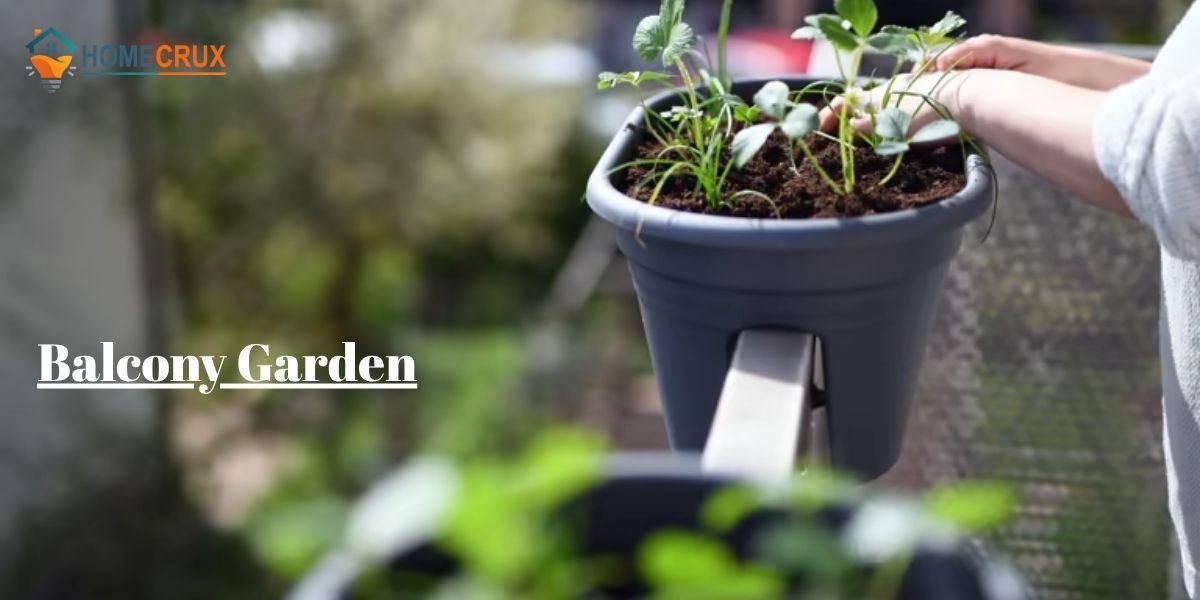
The railing area should never be filled with sprawling, fragile plants that can be easily knocked over or stripped by the wind. Instead, you need a streamlined setup that hugs the structure securely and utilizes compact, hardy species.
For a secure and productive railing system, look for specialized hardware and tough cultivars:
- Over the railing resin planters like the Apollo Plastics Railing Planters that lock directly onto the balustrade without tipping.
- Compact, woody perennial herbs like Tuscan Blue rosemary.
- Dense, aromatic herbs like English thyme.
- Highly resilient flowering options like Pelargonium zonal geraniums.
These specific plants feature cellular structures designed to withstand high transpiration rates and physical wind buffeting without dropping their blooms or drying out instantly.
3. Mobile Container Garden for Climate Flexibility
One of the absolute best strategies for maintaining an apartment balcony garden is mobility. A fixed, rigid layout prevents you from protecting your investment when conditions change. Using lightweight, movable components allows you to adapt to the shifting sun angles of different seasons or pull vulnerable plants inside during a severe storm.
Your foundational mobility setup should include high-performance, lightweight materials:
- Fabric grow bags like Smart Pots or Vivosun heavy-duty aeration bags.
- Injection-molded plastic nursery pots nested inside decorative resin covers.
- Wheeled plant dollies are placed under your largest, heaviest containers.
Being able to shift a struggling plant just two feet to the left into a shaded corner can mean the difference between losing it completely and helping it thrive.
4. Small Vegetable Garden for Limited Spaces
You do not need an allotment patch to grow high-quality fresh food. You can harvest a significant amount of produce from a small balcony if you intentionally avoid massive field crops and focus strictly on dwarf or patio-specific cultivars.
For a reliable balcony harvest, stock your containers with these high-yielding varieties:
- Super Sweet 100 or Tiny Tim cherry tomatoes.
- Thai bird’s eye chilies and standard Jalapenos.
- Provider dwarf bush green beans.
These specific varieties have been bred to produce heavy yields within confined root systems, making them highly efficient choices for small-space container gardening.
5. Best Balcony Plants for Heat, Wind, and Limited Soil
Your choice of flora dictates your long-term success far more than any decorative container or fancy automated watering system. You must pick plants that possess natural adaptations for surviving dry, exposed, and restricted environments.
The following selections have proven to be the most reliable workhorses for high-stress balcony conditions.
Hardy Herbs
Mediterranean herbs are naturally equipped to handle the dry air and intense sun exposure of an apartment balcony.
For the highest success rates, build your core herb collection around these varieties:
- Rosemary (Rosmarinus officinalis), which features needle-like leaves that minimize moisture loss.
- Thyme (Thymus vulgaris), a low-growing option that easily evades heavy wind damage.
- Basil (Ocimum basilicum), which thrives on heat as long as its soil is checked regularly.
These herbs prefer the rapid drainage cycles typical of container environments and actually develop stronger essential oils when grown in full sun.
Resilient Flowers
Flowers on a balcony should do more than just look pretty. They need to attract beneficial pollinators while resisting the scorching heat that bounces off apartment windows.
My top choices for continuous summer color and durability include:
- French marigolds (Tagetes patula), which emit a natural scent that deters common pests while tolerating dry spells.
- Zonal geraniums (Pelargonium) store moisture in their thick, fleshy stems to survive unexpected periods of neglect.
Both varieties feature tough root systems that do not mind the elevated soil temperatures common in small plastic pots.
Productive Vegetables
When selecting edible crops, look for plants that love heat and can be easily staked or caged against the wind.
These specific container champions offer the best return on investment for small spaces:
- Cherry tomatoes, which ripen much faster than large beefsteak varieties in limited soil volumes.
- Chili peppers are highly structurally stable during windy afternoons.
- Dwarf bush beans, which do not require massive trellis networks to produce a heavy harvest.
Focusing on these compact varieties ensures your plants spend their energy producing food rather than trying to sustain massive vines or heavy root structures.
6. Container Selection for Balcony Gardening Success
The container you choose acts as the entire world for your plant’s root system. It controls how much oxygen reaches the roots, how fast water drains away, and how much heat penetrates the soil during a blazing afternoon.
Fabric Grow Bags
Fabric containers are made from thick, needle-punched non-woven geotextiles that allow both air and water to pass through freely. As plant roots grow to the edge of the bag, they are exposed to the open air, causing them to naturally dehydrate and stop growing at the tip. This process, known as air pruning, forces the plant to continuously generate a dense web of fibrous feeder roots rather than circling the pot and becoming root-bound.
Plastic Nursery Pots
High-quality, UV-stabilized plastic pots are excellent for moisture retention. Unlike porous materials, plastic keeps water from evaporating through the sidewalls of the container. They are incredibly lightweight and easy to clean, making them ideal for plants that require consistently damp conditions, such as leafy greens or soft herbs.
Terracotta Containers
Classic, unglazed clay pots are highly porous and breathable. They allow moisture to evaporate out of the sides of the pot, which cools the soil and prevents stagnant water from pooling around the bottom. This makes terracotta the absolute perfect choice for dry-loving varieties like rosemary, lavender, and succulents that hate wet feet.
What to Avoid
You should generally avoid heavy, glazed ceramic pots and thin, single-use plastic containers. Glazed ceramic traps extreme heat, lacks adequate drainage holes, and is heavy enough to cause structural weight concerns on small balconies. Thin plastic pots will quickly degrade and crack under intense UV exposure, destroying your root protection mid-season.
7. Soil Mix for Healthy Balcony Plant Growth
Never use standard backyard garden soil in a balcony container. Real topsoil contains a high percentage of fine clay and silt particles that quickly compact tightly inside a pot. After a few waterings, this compaction squeezes out all available oxygen pockets, suffocating the roots and causing immediate rot.
To maintain perfect structural integrity and drainage, blend a custom medium using clean, lightweight inputs:
- Two parts premium peat or coir-based potting soil like FoxFarm Ocean Forest, for structural support.
- One part high-quality organic compost or Wiggle Worm Earthworm Castings for long-term nutrition.
- One part washed coco coir to hold essential moisture without packing down.
- One part coarse perlite to ensure rapid drainage and permanent root aeration.
These specific ratios create a sponge-like environment that holds onto the exact right amount of water while letting any excess drain completely out of the bottom within seconds.
8. Watering Method for Balcony Gardens
More balcony plants are killed by mismanaged watering than by pests, disease, and weather combined. Watering on a rigid calendar schedule completely ignores the real-time changes in daily humidity, wind speed, and solar intensity.
The only reliable way to manage irrigation is through the manual finger test:
- Push your index finger straight down two inches into the container soil.
- If you feel any cool dampness or if soil particles stick to your skin, leave the pot alone.
- If the soil feels completely dry, warm, and loose down to your knuckle, it is time to irrigate.
When you water, apply it slowly around the base of the plant until you see it running freely out of the drainage holes at the bottom. This ensures the entire soil column is fully saturated and washes away any accumulated fertilizer salts.
9. Pest Management in Apartment Balcony Gardens
Many beginners believe that being elevated on a third or fourth-floor balcony keeps their plants perfectly safe from bugs. In reality, pests like aphids and spider mites are regularly carried upward on thermal wind currents. Because balconies often lack natural predators like ladybugs, hoverflies, and insect-eating birds, a small pest introduction can quickly turn into a massive infestation.
Managing pests effectively requires a proactive, multi-step intervention plan:
- Inspect the undersides of your leaves and stem joints every single week.
- Spray a targeted solution of Captain Jack’s Neem Max at dusk to clear out early aphid colonies.
- Use a premixed bottle of Bonide Insecticidal Soap to directly knock down spider mite outbreaks.
- Immediately move any infested container into a separate indoor or isolated space to protect the rest of your garden.
Keep in mind that persistent overwatering creates an ultra-damp surface layer that quickly attracts fungus gnats, which chew on tender root hairs and compromise plant health.
10. Seasonal Rotation Strategy for Long-Term Success
A common mistake is trying to keep the same layout looking identical all year long. A healthy balcony garden is dynamic, changing its composition to match the shifting seasons and light levels.
To get the highest continuous yields, structure your garden around a clear seasonal calendar:
- Early Spring: Fill your vertical systems with cool-season crops like spinach, radishes, and parsley.
- Mid Summer: Move your heat-loving tomatoes, hot chilies, and basil into the primary sun zones.
- Late Autumn: Clear out spent summer vines and transition to hardy kales, Swiss chard, and ornamental marigolds.
This continuous rotation keeps your balcony highly productive, prevents soil pathogens from building up, and ensures you always have plants that are perfectly adapted to the current weather conditions.
Frequently Asked Questions
What are the best small balcony garden ideas for beginners?
The most reliable starting point is a combination of a vertical herb tier against a stable wall and a few mobile fabric grow bags on the floor. This layout maximizes your space while keeping your setup highly flexible.
Which plants grow best in balcony gardening?
Woody Mediterranean herbs like rosemary and thyme, flowering marigolds, and compact vegetables like cherry tomatoes and chili peppers show the highest survival rates under harsh balcony conditions.
How do I start a balcony garden in a small apartment?
Begin by tracking the exact hours of direct sunlight your space receives and identifying where the wind hits hardest. Once you know your microclimates, choose lightweight pots and easy herbs before worrying about decorative layouts.
Why do balcony plants die so quickly?
The primary killers are poor drainage and calendar-based overwatering. When combined with the high ambient heat reflecting off apartment walls, roots quickly suffocate and rot before the grower realizes there is a problem.
Can vegetables really grow in small balconies?
Absolutely. As long as you select varieties explicitly bred for containers, like bush beans or patio tomatoes, you can get highly productive harvests from a very small footprint.
Discover More: