Most people assume a green thumb is a gift you are born with. In reality, successful flower gardening is just a series of well-timed decisions and a bit of dirt under your fingernails.
Whether you want to brighten up a porch with planting flowers in containers or transform a patch of lawn into a vibrant border, the process is the same.
It starts with matching the right plant to the right place and giving it a foundation that allows the roots to breathe. If you get the start right, the plants will do most of the hard work for you.
Getting Started: What You Really Need Before Planting Flowers
Before you buy a single flat of petunias, you need a few fundamental tools that make the manual labor significantly easier. You do not need an entire shed full of equipment, but a few high-quality items will prevent hand fatigue and back pain.
A sturdy hand trowel with a comfortable grip is your most important tool for how to plant flowers in pots or beds. If you are working in a garden bed, a garden fork is better than a shovel for loosening compacted soil because it breaks up the ground without destroying the soil structure. You also need a watering can with a rose attachment (the nozzle with tiny holes) to provide a gentle shower that won’t wash away your fresh soil.
Beyond tools, you need to have your supplies ready. This includes organic compost, a bag of high-quality potting mix if you are using containers, and a pair of gloves to protect against thorns and skin irritation. Having everything staged before you start prevents the frustration of stopping halfway through because you ran out of dirt.
Choosing the Right Place for Your Flowers
The most common reason a flower garden fails is that the location was chosen for aesthetics rather than biology. You might want flowers by the front door, but if that spot stays in the dark all day, sun-loving plants will simply wither and die.
Sunlight and Space Matter More Than You Think
Plants are essentially solar-powered. Most flowering varieties require Full Sun, which means at least six hours of direct light. If your yard is shaded by large trees or your house, you must seek out Shade-Tolerant varieties like hostas or impatiens.
Space is the other silent killer. When you plant a flower, it looks small in the pot, but you must look at the Mature Spread listed on the tag. Crowding plants prevents airflow, which leads to powdery mildew and fungal diseases. If a tag says a plant grows two feet wide, give it that room. A garden that looks a little sparse in May will look lush and healthy in July, whereas a crowded garden will look like a tangled mess.
Growing in Pots vs Garden Beds
If you are starting a flower garden for the very first time, pots are the safest entry point. Containers give you total control over the soil quality and drainage. You can also move them around to “chase the sun” if you realize a spot is too shady.
Garden beds are a bigger commitment but offer more reward. Plants in the ground have more room for their roots to expand, meaning they don’t dry out as fast as pots do during a summer heatwave. If your soil is terrible, such as heavy clay or pure sand, consider raised beds. These allow you to garden “above” the bad soil by filling the frames with a perfect mix of topsoil and organic matter.
Picking the Right Flowers for Your Home Garden
Walking into a nursery is overwhelming. The rows of color are designed to make you buy everything on impulse. To stay disciplined, you need to understand the lifespan of what you are buying.
Annuals vs Perennials (Simple Explanation)
Annuals are the sprinters of the garden. They live for one season, bloom their heads off from spring until the first frost, and then die. They are perfect for instant, constant color. Think of them as a temporary “color boost” for your yard.
Perennials are the marathon runners. They usually bloom for a shorter window (two to four weeks) and then stay green for the rest of the year. However, they come back every single spring, often getting larger and stronger over time. A smart gardener uses perennials for the “bones” of the garden and fills the gaps with annuals for non-stop color.
Easy Flowers for Beginners to Start With
If you want a high success rate, stick to these reliable performers that can handle a bit of beginner neglect:
- Sun-Loving Annuals: Marigolds, Zinnias, and Geraniums. These are tough, heat-tolerant, and bloom constantly.
- Shade-Loving Annuals: Begonias and Impatiens. These provide bright color in the dark corners of a porch.
- Hardy Perennials: Coneflowers (Echinacea), Daylilies, and Black-Eyed Susans. These are drought-tolerant once established and very hard to kill.
- Spring Flowers (Plant in Fall): Tulips, Daffodils, and Crocus.
- Summer Flowers: Salvia, Lantana, and Petunias.
Getting the Soil Ready (Don’t Skip This Step)
You can buy the most expensive plant in the world, but if you put it in “dead” soil, it will fail. Good soil needs to be friable, meaning it crumbles easily in your hand. If your soil is like a brick of clay or collapses like beach sand, you need to fix it before you plant.
The universal fix is Compost. Spread a three-inch layer of compost over your planting area and work it into the top six inches of soil. Compost improves drainage in clay and helps sandy soil hold onto water.
For planting flowers in pots, never use “garden soil” or “topsoil” from the ground. It is too heavy and will compact in a container, suffocating the roots. Always use a dedicated Soilless Potting Mix which usually contains peat moss or coconut coir and perlite to keep the mix light and airy.
How to Plant Flowers in Pots (Step-by-Step)
Container gardening is the most forgiving way to learn flower gardening. Because the environment is contained, you have complete control over the variables.
- Check for Drainage: Every pot must have at least one hole in the bottom. If it doesn’t, water will pool at the bottom, the soil will turn anaerobic, and the roots will rot. If you love a decorative pot without a hole, use it as a “cachepot”—keep the plant in a plain plastic nursery pot with holes and set that inside the pretty one.
- Pre-moisten Your Mix: Potting soil often arrives very dry. If you put dry soil in a pot and water it, the water often runs down the sides without soaking in. Mix your potting medium with a bit of water in a bucket until it feels like a wrung-out sponge before filling your pots.
- The “Fill and Test” Method: Fill your container about two-thirds full. Place your plant (still in its plastic nursery pot) inside to check the depth. You want the surface of the plant’s soil to sit about an inch below the rim of the pot. This “headspace” allows you to water the plant without the dirt overflowing.
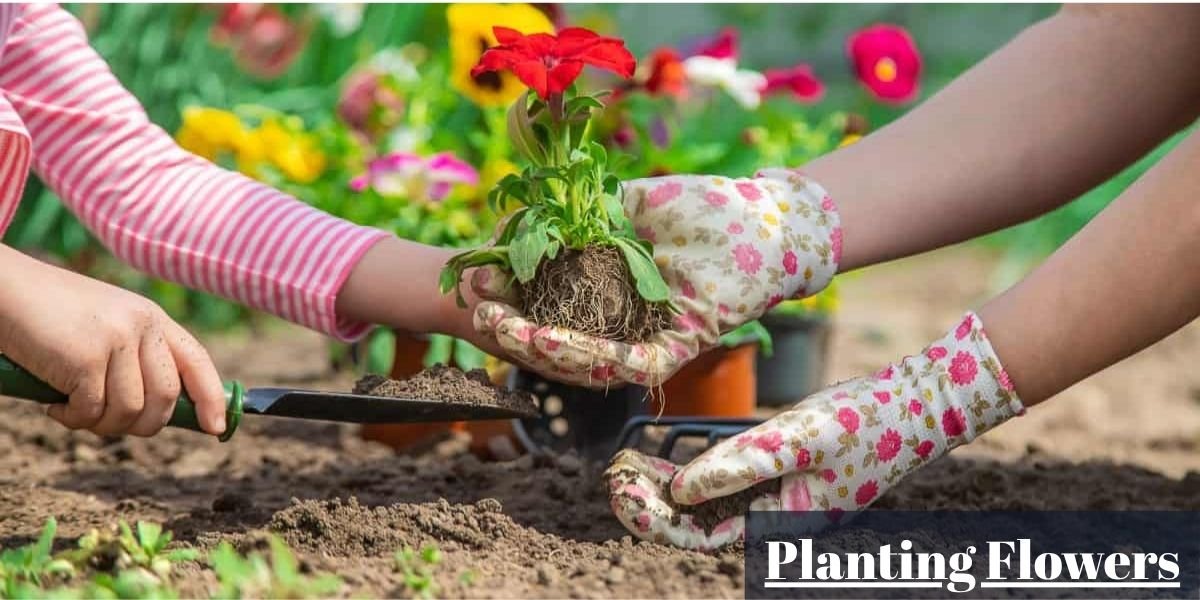
- Unpotting with Care: Never pull a plant out by its stem. Instead, place your hand over the top of the pot with the stem between your fingers, turn it upside down, and squeeze the sides of the plastic pot until the plant slides out.
- Tickle the Roots: If the roots are circling the bottom of the pot (root-bound), gently tease them outward with your fingers. This tells the plant it is okay to start growing into the new soil.
- Backfill and Firm: Place the plant in the pot and fill the gaps with your pre-moistened mix. Press down firmly but gently to remove large air pockets. Do not pack it so hard that you crush the roots.
How to Plant Flowers in Garden Beds (Step-by-Step)
Starting a flower garden in the ground requires a bit more muscle but follows the same biological logic as pots.
- The Layout Phase: Before you dig a single hole, set your potted plants out on the surface of the bed. This is where you verify your spacing. Step back and look at it from different angles. Remember: tall plants in the back, short in the front.
- Dig a $10 Hole: Gardeners often say, “Put a $1 plant in a $10 hole.” This means the hole should be twice as wide as the current root ball but no deeper. Digging too deep causes the plant to settle over time, which can lead to “stem rot” if the base of the plant ends up below the soil line.
- Amend as You Go: If you didn’t mix compost into the whole bed earlier, mix a handful of compost into the loose soil you just dug out of the hole.
- Planting Depth is Critical: The most important rule of how to start a flower garden is to keep the plant at the same level it was in the pot. If you plant it too deep, the stem will rot; too shallow, and the roots will dry out.
- The First Deep Soak: After the soil is firmed around the plant, water it immediately. This isn’t just for hydration; the water helps the soil settle and eliminates “hidden” air pockets that can kill sensitive feeder roots.
What Most People Get Wrong When Planting Flowers
Even experienced gardeners make mistakes that can be easily avoided with a bit of foresight.
- Buying Plants in Full Bloom: It is tempting to buy the plant with the most flowers, but those plants are spending all their energy on the “show.” For the best results, buy plants that have plenty of green leaves and tight buds but haven’t fully opened yet. These will establish their roots much faster.
- Neglecting the “Hardening Off” Process: If you bought your flowers from a climate-controlled greenhouse and put them directly into a windy, hot garden, they will go into shock. Leave them in their pots in a sheltered, shady spot outside for a few hours a day for 3 or 4 days before planting.
- Wrong Season Planting: Planting heat-loving annuals (like Zinnias or Marigolds) when the soil is still cold in early April will stunt them. Just because the store is selling them doesn’t mean it’s the right time for your specific zip code.
Watering, Sunlight, and Early Care After Planting
The first 14 days are the “Intensive Care” phase of flower gardening.
Watering: New plants have very small root systems. They cannot reach deep into the ground for water yet. You must water them daily for the first week, and every other day for the second week, unless it rains heavily. Check the soil with your finger; if the top inch is dry, it’s time to water.
Sunlight Management: If you notice your new plants wilting heavily in the afternoon sun, they might need temporary shade. You can lean a piece of cardboard or an old umbrella over them during the hottest part of the day until they stop drooping. This is common and usually stops once the roots “catch” in the new soil.
Can You Plant Flowers from Seeds or Should You Buy Plants?
One of the most common questions in flower gardening is whether to start from a packet of seeds or buy established plants from a nursery. Both have distinct advantages depending on your budget and patience.
Starting from Seeds: This is the most cost-effective way to plant a flower, but it requires more “nursing.” Seeds are ideal for fast-growing annuals like Sunflowers, Zinnias, and Cosmos. You can sow these directly into the garden bed once the soil is warm. However, seeds are vulnerable to being washed away by heavy rain or eaten by birds. If you want a specific, rare variety of flower, seeds are often your only option.
Buying Nursery Starts: Most beginners should start here. Buying a “four-pack” or a “gallon-pot” gives you a head start of 6 to 10 weeks of growth. These plants already have an established root system and are much more resilient to pests. While more expensive, nursery plants provide “instant gratification” and a much higher success rate for those new to how to start a flower garden.
What to Expect After Planting (First Few Weeks)
The first month is a period of adjustment. Don’t be alarmed if your plants don’t double in size immediately.
- Week 1 (The Settle): Your plants may look a bit tired. This is the transplant shock mentioned earlier. They are focusing all their energy on sending out new roots rather than growing leaves or flowers. Keep the soil moist and resist the urge to fertilize yet.
- Week 2-3 (The Recovery): You should see new, bright green growth at the center of the plant. If the older, lower leaves turn yellow or drop off, don’t panic; the plant is simply shedding its “old” nursery leaves to make room for stronger ones adapted to your yard’s light.
- Week 4 (The Surge): By now, the roots should be “hooked” into the surrounding soil. The plant will begin to look sturdier and more upright. This is the time to start a regular feeding and maintenance schedule.
Simple Tips to Keep Your Flowers Blooming Longer
To keep your flower garden looking like a magazine cover through August, you need to master three simple habits: Deadheading, Fertilizing, and Mulching.
Deadheading
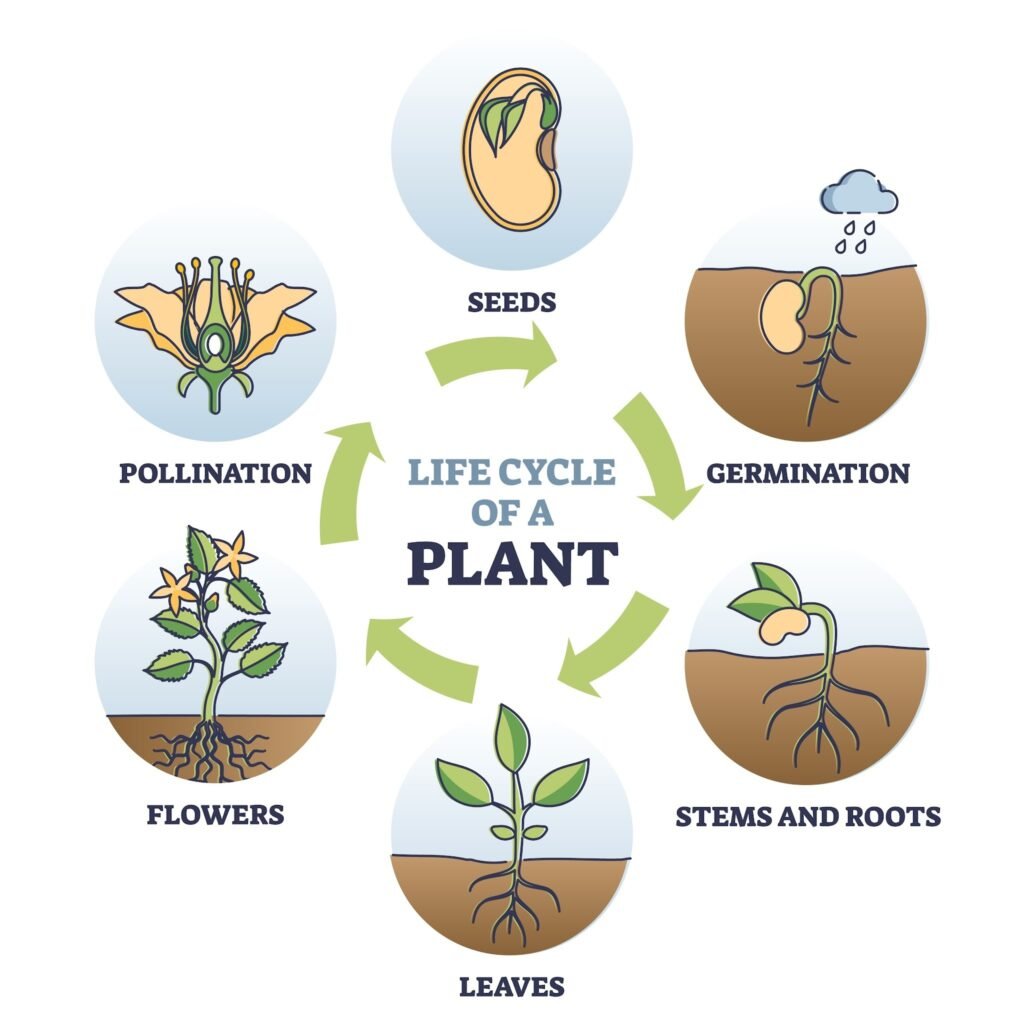
A plant’s goal in life is to produce seeds to ensure the next generation. Once a flower fades and starts forming a seed pod, the plant stops producing new blooms. By deadheading (pinching or cutting off the faded flowers), you “trick” the plant into thinking it hasn’t finished its job yet. It will respond by sending out a new flush of buds.
Fertilizing
Plants in garden beds can often find nutrients in the soil, but flowers in pots are entirely dependent on you. Use a water-soluble, high-phosphorus fertilizer (often labeled as “Bloom Booster”) every two weeks for containers. For garden beds, a slow-release granular fertilizer applied once a month is usually sufficient.
Mulching
If you do only one thing for your garden, let it be mulched. A 2-inch layer of shredded hardwood mulch or pine straw acts like a blanket. It keeps the roots cool, prevents 90% of weed seeds from germinating, and holds moisture in the soil so you don’t have to water as often. Keep the mulch an inch away from the actual stem of the flower to prevent rot.
Final Thoughts: Start Small and Keep Learning
The biggest secret to starting a flower garden is to start small. It is far better to have one perfectly maintained 3×5 foot bed that brings you joy than a massive yard full of weeds that causes you stress.
Gardening is a conversation with nature. Some plants will thrive in places you didn’t expect, and others will fail for no apparent reason. Don’t take a dead plant personally; treat it as a data point for next year. As you learn the “micro-climates” of your own yard, your green thumb will naturally develop. The key is simply to plant a flower, watch what happens, and keep growing.