
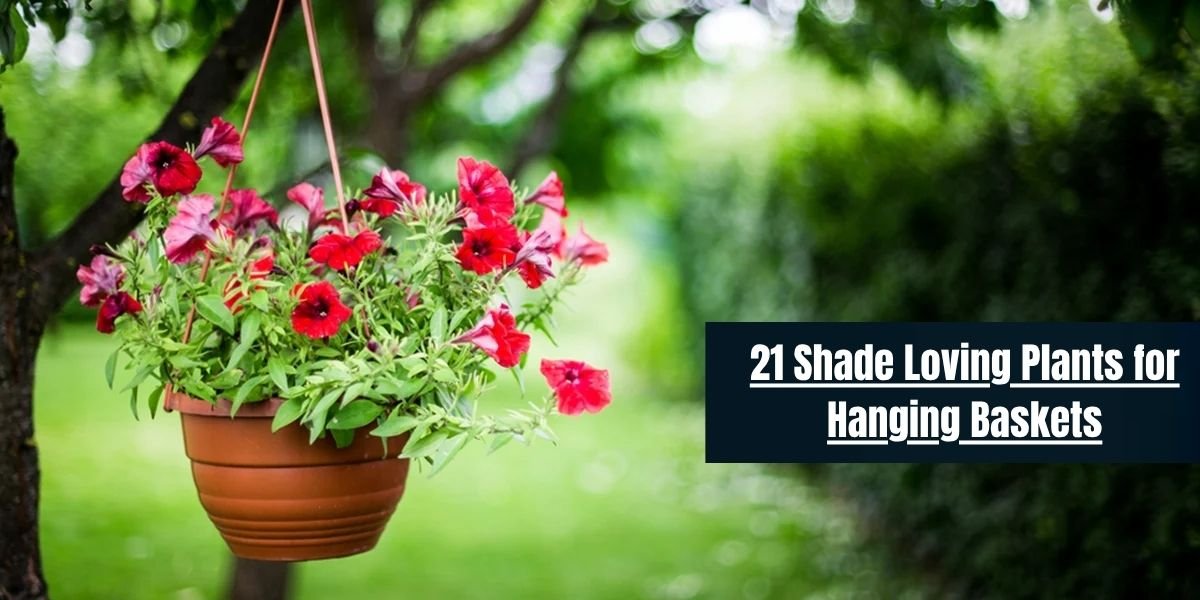
Gardening has always been my true passion, and over the years, I have spent countless weekends transforming my yard into a green sanctuary. From vibrant flowerbeds to lush evergreen pots scattered across the patio, growing different varieties of plants brings an unmatched sense of peace and joy to my daily routine. However, living around a property surrounded by mature trees and deep structural roof overhangs meant I constantly struggled with dark, empty, and sun-starved corners. For the longest time, those neglected shady spots looked completely lifeless and dull, making the outdoor living areas feel somewhat incomplete.
Everything changed recently when I discovered the magic of hanging basket plants specifically adapted for low-light environments. Bringing those cascading greens and blooming varieties into my shaded zones completely transformed the atmosphere, turning dead architectural spaces into vibrant, lively, and bright pockets of natural beauty.
I started experimenting with a few baskets here and there, learning through trial and error how to care for them, where each species thrives best, and how to style them around the house. Because I know how frustrating it is to deal with dark corners where standard sun-loving plants fail, I wanted to put together this detailed, experience-based guide. Whether you are dealing with a dark front entrance or a covered balcony, these selections will help you maximize your space and turn even the deepest shadows into an attractive floral display.
Where I Love Using Shade Loving Hanging Plants Around My Home
My home features several distinct shaded zones where traditional ground-level planting simply is not an option, making hanging baskets an absolute lifesaver for adding vertical dimension and color. Instead of letting these areas stay empty and gloomy, I have strategically placed different hanging baskets to catch ambient light and bring texture right to eye level.
To help you visualize how to use these plants around your own property, here is a simple list of the best shaded areas suited for hanging baskets:
- Front porch and main entrance overhangs
- Covered north-facing and east-facing patios
- Shaded apartment or home balconies
- Wooden beams of backyard pergolas and gazebos
- Recessed courtyard corners and narrow side passages
- Outdoor garden pathways with overhead tree cover
- Underneath the dense canopies of mature shade trees
On my front porch, where heavy roof lines block out all direct sun, I love hanging lush, trailing varieties that soften the harsh wooden pillars and warmly welcome anyone walking up to the door. On the back patio, which stays cool and shaded for most of the day, I mix vibrant blooming annuals with fine-textured foliage plants in large baskets to create a rich, layered look. Even along the garden pathways under our big oak trees, hanging containers suspended from sturdy branches lift greenery high up out of the root competition zone, making every corner of the yard feel alive and thoughtfully designed.
21 Shade Loving Plants for Hanging Baskets
1. Fuchsia
Fuchsias hold a very special place in my heart, and I always make sure to hang at least a couple of baskets of them right by my front porch where their stunning, lantern-like blossoms can be fully admired. They feature delicate, pendulous flowers with gorgeous two-toned color combinations in shades of deep purple, pink, white, and crimson that dangle gracefully over the container edges. These plants thrive best in cool, damp, and sheltered shade, as strong direct sunlight scorches their tender leaves almost immediately. I love watching how their nectar-rich blooms instantly attract hummingbirds to the porch, creating a lively wildlife spot right outside my window. They prefer partial to bright indirect shade, need consistently moist soil without sitting in standing water, and require moderate maintenance with regular deadheading and stem pinching to keep them full and bushy all season long.
2. Impatiens
When I want guaranteed, high-impact color in the deepest, darkest corners of my courtyard where almost nothing else survives, traditional impatiens are my go-to choice. They form dense, mounding cushions packed tightly with flat-faced petals in brilliant shades of red, pink, coral, and pure white that instantly lift the visual weight of heavy shadows. I usually hang them under covered patio overhangs that receive zero direct sunlight, and they reward me with a relentless, heavy wave of color from late spring right through October. They thrive in true full shade to medium partial shade. Because of their lush, heavy flowering habit, they have a high water demand and need daily moisture checks during warm summer stretches to prevent sudden wilting. Their maintenance level is remarkably low since they possess self-cleaning habits that require minimal deadheading to stay pristine.
3. Begonia
Tuberous and cascading trailing begonias bring an incredible sense of luxury to my shaded outdoor living spaces with their massive, rose-like double flowers in radiant shades of yellow, orange, soft pink, and deep red. Their thick succulent stems and glossy green leaves handle container life exceptionally well, draping downward in a rich, lush vertical cascade. I love displaying them on eye-level brackets near my main entrance where their heavy, flamboyant blooms can be enjoyed up close. They thrive in dappled shade to partial shade; too much deep darkness reduces their flower count, while direct afternoon sun burns their petals. Their watering routine requires letting the top inch of potting mix dry slightly between waterings to prevent stem rot. Their maintenance is low to moderate, as spent oversized blooms drop cleanly on their own.
4. Torenia (Wishbone Flower)
Torenia brings a wonderful burst of whimsical charm to my shaded garden pathways with its unique, snapdragon-like tubular flowers marked by tiny yellow stamens shaped like wishbones. The blossoms come in striking shades of violet, royal blue, burgundy, and white, often featuring contrasting throats that stand out sharply against their dark green foliage. I usually hang them near my favorite backyard seating area where people can appreciate their intricate floral details up close. They prefer partial shade with solid protection from intense afternoon heat. Keeping their soil evenly moist is essential since they dislike drought stress and will drop buds if allowed to dry out completely. Their maintenance is low, requiring only a simple mid-season pinch back of leggy stems to encourage fresh branching and secondary flower flushes.
5. Bacopa
Bacopa forms a dense, cascading curtain of tiny, star-shaped white, pink, or blue flowers set against small, delicate green leaves that spill gracefully over the edges of my balcony baskets. I love using bacopa as a refined filler-and-spiller plant because its soft, airy texture breaks up the rigid lines of standard wire containers. It thrives best in morning sun with afternoon shade, or under the bright dappled light of high tree canopies. Its blooming period lasts from spring through autumn, though flowering can slow down slightly during extreme mid-summer heatwaves. Because of its delicate root system, it demands high-frequency watering and collapses quickly if allowed to dry out entirely. Its maintenance is low, needing only a light shear after heavy summer flowering to quickly revive its vibrant growth.
6. Lobelia
Lobelia produces heavy masses of intense, electric-blue, purple, or pure white tiny blossoms that create dense, cascading mounds over container borders. I adore growing lobelia because true, deep-blue flower shades are remarkably rare in the plant world, and they add a wonderfully cooling visual element to warm shaded spaces. I usually hang them near my entryway seating where their vibrant color pops vividly against neutral walls. They prefer partial shade, thriving best in cool spring and autumn environments while struggling when summer temperatures stay persistently high. Their watering routine requires keeping the soil evenly moist in well-draining, highly organic potting mixes. Their maintenance is low, though cutting back spent flower spikes by half in mid-summer prevents the plant from becoming woody and encourages a fresh autumn rebound.
7. Coleus
When I want guaranteed, non-fading color intensity in spaces where deep shadows prevent flowering plants from blooming, I always turn to modern trailing coleus cultivars grown for their astonishing foliage. Their leaves display kaleidoscopic patterns in vibrant shades of lime green, deep maroon, hot pink, and gold that catch and reflect whatever ambient light is available. I usually display them in deeply recessed porch corners where maximum leaf contrast is needed to lift the visual weight of the area. They thrive in full shade to partial shade, with many modern varieties holding their brilliant leaf pigmentation exceptionally well without direct sun. Grown strictly for foliage, their insignificant flower spikes are pinched off early. They require moderate watering and low maintenance, utilizing regular stem pinching to encourage a dense, cascading habit.
8. Caladium
Caladiums introduce an exotic, high-end tropical design element to my outdoor living areas with their striking, heart-shaped and arrow-shaped leaves splashed with translucent veins of pink, white, red, and green. I love placing them in protected patio hooks under deep roof overhangs where their paper-thin leaves light up dark corners. They require deep shade to filtered morning light, as direct sunlight scorches their delicate foliage instantly. They are grown for their brilliant foliage from late spring until autumn tuber dormancy. Their watering routine requires keeping the soil consistently moist during active growth, scaling back gradually as autumn approaches. Their maintenance is low, requiring only the removal of older outer leaves as they naturally yellow to keep the center clean.
9. Sweet Potato Vine
Ornamental sweet potato vines produce vigorous, heart-shaped or lobed trailing stems in rich chartreuse, deep bronze-purple, or variegated tones that grow with astonishing speed. I love using them in large-scale hanging baskets mounted high on open-air pergolas to create a lush, dramatic spill over the sides. While they tolerate full sun, providing them with light shade keeps their leaf colors vibrant and reduces daily water stress. They are grown exclusively for their striking trailing vine architecture. Their watering routine demands high water volume during peak summer growth since their large leaf surface areas transpire moisture rapidly. Their maintenance is low to moderate, requiring periodic trimming of long trailing tips to keep them tidy and prevent them from tangling with nearby furniture.
10. Creeping Jenny
Creeping Jenny features bright chartreuse, coin-shaped evergreen leaves that create a dense, cascading carpet over container rims, acting as a natural highlighter in dark, shadowed corners. I love placing them in lower-tier hanging baskets where their long, glowing stems can trail downward freely and make neighboring plants pop visually. They thrive in full shade to partial shade, where their color intensity remains brightest in moderate shade. They produce occasional small yellow cup-shaped flowers in summer, though they are grown primarily for their striking foliage. Their watering routine requires consistently moist soil, as it naturally thrives in damp soil conditions and forgives occasional overwatering. Their maintenance is very low, needing only a simple snip of stray stems with kitchen shears when they grow too long.
11. Boston Fern
The Boston fern is the undisputed classic of shade gardening, featuring long, arching, feathery fronds packed with countless tiny leaflets that instantly make any space feel cool and established. I always hang a pair of large Boston ferns on my front porch ceiling hooks where their grand scale creates an inviting, symmetrical frame for the doorway. They require filtered shade to deep shade and are sensitive to direct, drying sun and harsh winds. They are non-flowering evergreen foliage plants. Their watering routine is high and consistent; their root balls should never dry out completely, and daily misting during hot dry spells keeps their fronds green. Their maintenance is low, requiring occasional trimming away of brown tips with clean scissors rather than pulling them out by hand.
12. Maidenhair Fern
Maidenhair ferns boast delicate, fan-shaped leaflets set on wiry, ebony-black stems that give the entire plant an ethereal, lace-like appearance. I love placing them in protected, humid microclimates such as my screened-in porch where their unmatched delicacy creates a stunning contrast against coarser-leaved plants in mixed shade baskets. They require full to partial shade, shielded carefully from dry drafts and direct sunlight. They are non-flowering foliage plants. Their watering routine demands exceptional moisture consistency, as letting the soil dry out even once causes rapid frond dieback. Their maintenance is moderate, requiring careful humidity and moisture monitoring to maintain their pristine appearance.
13. English Ivy
English ivy provides tough, evergreen trailing stems adorned with lobed, dark green or variegated silver-and-white leaves that offer ironclad durability. I love using English ivy on back patio hooks and garage-adjacent overhangs where weather conditions can be variable, because its reliable growth survives minor neglect easily. It thrives in full shade to partial shade and is highly adaptable to low-light environments. It is grown for reliable, year-round green foliage. Its watering routine is moderate, allowing the soil to dry partially between watering sessions. Its maintenance is low, requiring monthly trimming to prevent trailing vines from getting woody near the basket crown.
14. Spider Plant
Spider plants feature arching, linear green-and-white striped leaves that produce long, wiry runners bearing tiny, charming plantlets. I love hanging them in shaded balcony corners and covered outdoor living areas because their resilient nature and cascading baby plantlets add playful, structural movement to containers. They prefer bright indirect light to moderate shade. They produce small white flowers occasionally on runners, though they are valued primarily for foliage. Their watering routine requires allowing the top half of the potting mix to dry between waterings, and they are sensitive to high fluoride levels in municipal tap water. Their maintenance is low, requiring clipped-off spent runners and brown leaf tips as needed.
15. Hoya
Hoyas, or wax plants, feature thick, succulent, waxy leaves and produce clusters of star-shaped, porcelain-like flowers that emit a sweet, subtle fragrance. I love keeping them in protected, warm patio spaces out of heavy wind zones, where their drought-tolerant succulent nature makes them remarkably forgiving if I occasionally forget a watering cycle. They require bright filtered shade, protected from harsh afternoon rays. Their blooming period peaks in mid to late summer when mature. Their watering routine is low to moderate, allowing the soil to dry thoroughly between waterings. Their maintenance is low; you must avoid removing flowering spurs since future blooms emerge from the exact same spots year after year.
16. Coral Bells (Heuchera)
Coral bells offer rounded, scalloped foliage in dramatic color variations ranging from amber, lime, and deep plum to silver-veined bronze. I love displaying them in medium-sized hanging baskets mounted near eye level on my shaded back deck, where they provide steadfast perennial color and rich structural texture long after annual flowers have faded. They thrive in partial to full shade; darker leaf cultivars tolerate more sun, while lighter caramel and lime varieties demand deep shade. Their blooming period features delicate, airy flower spikes rising above the foliage in late spring. Their watering routine is moderate, allowing surface soil to dry out before re-watering. Their maintenance is low, requiring the removal of old, weather-beaten basal leaves in early spring to refresh the plant’s crown.
17. Tradescantia
Tradescantia species feature succulent, trailing stems covered in metallic purple, striped silver, or deep green leaves with remarkable light reflection. I love growing them because their rapid growth rate fills out a sparse hanging basket in a matter of weeks, creating a lush, tumbling display in shaded outdoor living rooms. They thrive in bright filtered shade, maintaining their color vibrancy when given good ambient light without direct scorching sun. They produce small three-petaled purple or white flowers sporadically. Their watering routine is moderate, letting soil dry slightly between waterings to prevent root rot in their succulent stems. Their maintenance is low, requiring stem tips to be pinched frequently to encourage dense, multi-branched growth.
18. Swedish Ivy
Swedish ivy features glossy, scalloped green leaves with purplish undersides on trailing stems that cascade attractively over basket edges. I love placing them on my shaded kitchen-adjacent patio because they offer a classic, nostalgic cottage-garden aesthetic that establishes quickly and handles container confinement gracefully. They thrive in partial shade to indirect ambient light. Their blooming period features spikes of small white or pale lavender flowers appearing during seasonal changes. Their watering routine requires keeping the soil evenly moist during growing months, reducing frequency slightly during cooler periods. Their maintenance is low, requiring periodic trimming to keep the center full and prevent long, bare stems.
19. Polka Dot Plant
The polka dot plant features oval leaves densely speckled with contrasting splashes of pink, white, or red against green backgrounds. I love using them in mixed shade baskets positioned near entryway seating to introduce a playful, confetti-like pattern that breaks up the monotony of solid green foliage combinations. They require filtered shade, as intense sunlight washes out their vibrant leaf speckling. They are grown primarily for bold, colorful foliage impact. Their watering routine requires keeping the soil consistently moist, as they drop lower leaves quickly if allowed to dry out severely. Their maintenance is moderate, requiring central growing tips to be pinched early to prevent the plant from becoming leggy.
20. Pothos
Pothos produces hardy, heart-shaped leaves splashed with gold, white, or chartreuse on thick vines that cascade effortlessly. I love hanging them on shaded outdoor patios and protected porch rafters because their legendary resilience makes them virtually indestructible container plants for low-light spots. They thrive in low light to moderate shade, completely shielded from direct outdoor sun. They rarely flower in container settings and are grown for their glossy trailing foliage. Their watering routine requires allowing soil to dry moderately between watering sessions. Their maintenance is very low, requiring pruned wandering vines whenever they exceed desired lengths.
21. Trailing Fuchsia
Trailing fuchsias specialize in long, flexible stems that grow outward and downward rather than upright, creating a true weeping floral canopy. I love mounting them on high ceiling brackets on my deep front porch to deliver the ultimate dramatic, hanging-garden silhouette with blossoms suspended freely in mid-air. They require cool, humid, and fully shaded microclimates. Their blooming period runs from summer through early autumn frost. Their watering routine requires consistently moist root zones with high humidity to support their heavy flowering load. Their maintenance is moderate, requiring protection for delicate trailing stems from strong gusts and regular pruning after major flush cycles.
My Routine for Keeping Shade Loving Plants Healthy All Season
Maintaining hanging baskets in shaded environments requires a different approach than sun-baked containers. Because low-light areas retain soil moisture longer, over-watering represents the single most common trap for beginners. My spring and summer watering routine relies entirely on physical touch rather than a rigid calendar schedule. Pushing a finger an inch down into the potting mix provides an accurate moisture reading; if the soil feels damp at that depth, watering is delayed. When watering day arrives, moisture is applied thoroughly at the base until excess water streams freely out of the bottom drainage holes.
Nutrient management follows a steady, moderate cadence. Shaded plants grow slower than sun-soaked specimens, meaning heavy feeding leads to weak, leggy stems. Diluted, balanced liquid fertilizer is applied every three to four weeks throughout peak spring and summer growth. Deadheading spent flowers on varieties like begonias and fuchsias prevents the plant from expending energy on seed production, redirecting vigor into continuous bud development.
Potting mix selection lays the structural foundation for success. Standard garden dirt packs down into a dense, suffocating brick inside hanging containers, so I always use a loose, high-aeration potting mix blended with peat moss, perlite, and composted bark. This ensures excess water drains rapidly while holding enough moisture to sustain root systems between drinks.
Mid-summer brings heat exhaustion and leggy growth, prompting a structural refresh where trailing stems are trimmed back by a few inches and tired plants receive a light granular feeding boost. To enhance the overall aesthetic of my porch, I often spray paint or refinish my wire and coco-coir baskets in seasonal matte colors before replanting. Finally, as autumn transitions into winter, tender perennial shade plants like fuchsias and begonias are pruned back hard and brought indoors or into a protected garage before freezing temperatures arrive.
Mistakes I Learned to Avoid With Shade Loving Hanging Plants
Years of trial and error taught me hard lessons about what not to do when managing shade baskets. Selecting plants labeled for shade while hanging them in microclimates that actually receive intense afternoon sun is a primary pitfall that leads to scorched leaves and rapid plant failure. Conversely, placing moisture-loving annuals in absolute, pitch-black deep shade results in root rot and zero flower production due to insufficient light energy.
Overwatering shaded baskets remains a silent killer. Because low-light spaces lack the solar evaporation power of sunny yards, soil stays wet significantly longer. Dumping water into a basket on a strict schedule without checking soil moisture first suffocates delicate root systems. Furthermore, hanging baskets in completely dead-air zones—such as tight, enclosed corners with zero breeze—invites powdery mildew, fungal leaf spots, and aphid infestations. Ensuring gentle air circulation around every basket keeps foliage dry and healthy.
Choosing undersized containers creates constant hydration crises. Small baskets hold minimal potting mix that dries out within hours, even in the shade. Moving up to twelve-inch or fourteen-inch baskets provides a larger root buffer and stabilizes moisture levels. Finally, neglecting fertilization during peak growth or letting trailing varieties become overcrowded and tangled ruins the structural shape of the display before summer even peaks.
Frequently Asked Questions
Which shade loving plants bloom the longest?
Impatiens and tuberous begonias offer the longest continuous flowering window in shaded conditions, pushing out fresh color from late spring all the way through the first autumn frosts without slowing down.
Which shade loving hanging plants come back every year?
Perennial selections like Fuchsia magellanica cultivars, Coral Bells (Heuchera), Boston ferns, and English ivy return reliably year after year when protected from hard freezing temperatures during winter dormancy.
Can hanging plants thrive without direct sunlight?
Yes, many shade-adapted species like ferns, coleus, caladiums, and hostas thrive entirely on ambient indirect light and reflected illumination without ever experiencing a ray of direct sun.
How often should I water shade loving hanging plants?
Watering frequency depends on ambient temperature and air humidity, but generally ranges from two to three times a week. Always check soil moisture manually by feeling an inch beneath the surface before adding water.
Which trailing plants grow best in shade?
Creeping Jenny, trailing begonias, bacopa, tradescantia, and trailing fuchsias rank among the best choices for creating lush, cascading displays in low-light locations.
Can I mix flowering and foliage plants in one basket?
Combining flowering plants like begonias or torenia with foliage anchors like creeping Jenny or trailing coleus creates balanced, visually striking baskets that maintain interest even between flower cycles.
What fertilizer works best?
A balanced, water-soluble liquid fertilizer diluted to half-strength and applied every three to four weeks provides optimal nutrients without forcing weak, leggy stem growth.
Which shade loving plants are best for beginners?
Boston ferns, creeping Jenny, and impatiens offer exceptional forgiveness for beginners, combining high adaptability with straightforward care routines and reliable seasonal performance.