A high-performance home alarm system is no longer just a collection of plastic sensors and a loud siren; it is a technical ecosystem designed to outsmart increasingly sophisticated threats.
Many homeowners make the mistake of assuming a $200 off-the-shelf kit provides total coverage, but real-world data from the FBI suggests otherwise. While residential burglaries have dropped nearly 12% in the last year due to the widespread adoption of smart tech, a staggering 83% of would-be burglars still check for a professional alarm before attempting a break-in.
If you are skipping professional-grade security, you aren’t just risking property, you are ignoring the logic of deterrence. Most homeowners struggle because they focus on the brand of the camera rather than the architecture of the sensors.
In this guide, we move beyond the basics to look at the advanced sensor technology, communication redundancies, and technical setups that differentiate a hobbyist system from a professional fortress.
Ready to re-engineer your home’s safety? Let’s start by dissecting the core mechanics and the high-end technologies that define modern residential security.
What Is a Home Alarm System and How It Works
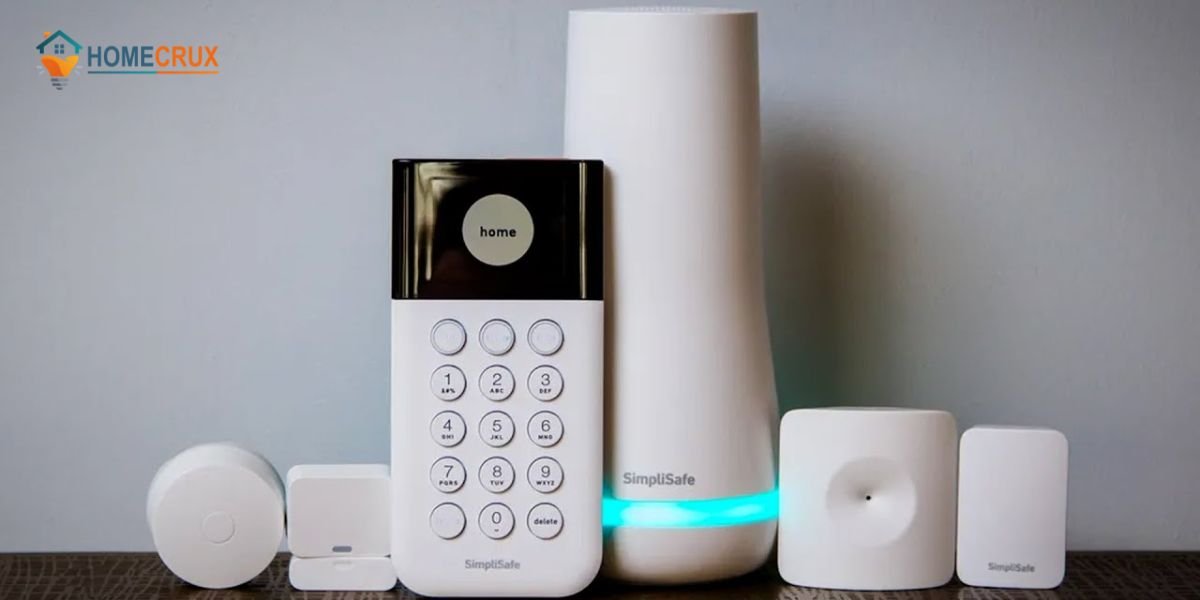
A burglar alarm system is a coordinated network of sensors tethered to a central processing unit, often called the Base Station or Gateway. This unit acts as the command center, constantly polling every sensor in the house to verify the status of the security loop.
When a sensor is tripped (for instance), when a door sensor alarm detects a break in its magnetic field, it then sends an encrypted signal to the hub. If the system is armed, the hub initiates a three-stage response: local audible deterrence through a siren, cloud-based notification to your smartphone, and professional dispatch from a monitoring center.
“A security system is only as reliable as its heartbeat,” notes Paul Frew, a lead digital security researcher.
The most critical technical failure isn’t like a battery going dead, it’s signal interference. Advanced systems use Frequency Hopping Spread Spectrum technology to jump between radio frequencies. This prevents burglars from using RF Jammers to silence your sensors. When the system detects a jamming attempt, it treats it as a breach and triggers an alarm.
Types of Home Alarm Systems
Wired Alarm Systems
Wired systems are the traditional gold standard for reliability. They are hardwired directly into the home’s electrical and telecommunications infrastructure, which usually happens during construction or a major renovation. These systems offer the highest level of security because they cannot be digitally jammed.
However, the installation process is labor-intensive and expensive. Most professionals charge between $800 and $1,600 for these setups because they must manually pull wires through the home’s framing and finished walls.
Wireless Alarm Systems
A wireless alarm system uses radio waves to communicate between components. These have become the standard for modern smart homes due to their non-invasive installation. You can set up these systems in less than an hour, making them perfect for renters or established homes
While they rely on batteries, modern wireless protocols like Z-Wave Plus or PowerG offer long-range communication up to two kilometers and high-level encryption. Equipment kits for these setups typically range from $200 to $500 depending on the number of sensors included.
Smart Alarm Systems
These are defined by their integration with the Internet of Things (IoT). They allow you to arm the system via voice or automate your locks based on your phone’s GPS location.
The primary technical edge here is Video Verification, which allows monitoring agents to see a live feed the moment an alarm is tripped. This significantly reduces false police dispatches and ensures that authorities prioritize your call as a verified crime in progress.
Key Burglary Sensors Used in a Home Alarm System
Door and Window Sensor Alarm (Entry Sensors)
These utilize a Reed Switch and a magnet to create a closed circuit. When the door or window opens, the magnetic field is interrupted, which immediately signals the hub.
For high-end aesthetics, experts recommend using recessed sensors that are drilled into the door frame, making them 100% invisible when closed. Window protection should also include vibration sensors to detect the specific shockwave of someone prying a window open before the glass even breaks.
Expect to pay between $25 and $45 for high-quality entry sensors.
Motion Sensors Alarm
Modern motion sensor alarms use Passive Infrared (PIR) to detect heat signatures. A common mistake is placing these where direct sunlight or a heating vent can hit them, leading to false alarms.
Advanced Pet Immune sensors are calibrated to ignore heat masses under 80 pounds, allowing your dog to move freely without triggering a siren. These units generally cost between $40 and $60 and should be positioned at a height of six to eight feet for the best field of view.
Glass Break, Smoke, and Carbon Monoxide Sensors
A glass break sensor is an acoustic microphone tuned to the specific dual-frequency of shattered glass. It listens for the thud of a strike followed by the high-frequency shatter. Adding environmental sensors for smoke, fire, and carbon monoxide is a logical expansion of any system.
In many states, connecting these to a monitored alarm system can lower your home insurance premiums by up to 20%, as they provide life-safety monitoring even when you aren’t home to hear a standard smoke detector.
Flood and Water Leak Sensors
While burglars are a threat, water damage is statistically more likely to cause major financial loss. Flood sensors should be placed in wet zones like basements, near water heaters, or under laundry machines.
These sensors detect moisture on the floor and sound an immediate alert. In a high-end setup, these can be linked to a smart main water shut-off valve, which automatically kills the water supply the second a leak is detected, potentially saving you tens of thousands in repair costs.
Technical Note: In 2026, the industry has shifted from record and review to detect and respond. If your system doesn’t offer AI-driven event classification (distinguishing between a person, a pet, or a swaying tree branch), you are dealing with outdated tech that will cause notification fatigue.
Technologies Used in Modern Alarm Systems
Modern security is a game of verification and redundancy. Technical experts no longer recommend relying on a single sensor type to confirm an intrusion. Instead, they always suggest using Dual-Technology sensors that combine Passive Infrared with Microwave detection.
The alarm only sounds if both heat movement and physical movement are detected simultaneously. This virtually eliminates false alarms caused by curtains moving in the breeze or a sudden burst of sunlight.
Another critical layer is encrypted wireless communication. You must ensure your system uses AES-128 or AES-256 encryption to prevent “replay attacks” where a hacker records your “disarm” signal and plays it back to open your house.
Furthermore, a professional system should never rely on Wi-Fi alone. If a burglar cuts your cable line, the system must have a 4G or 5G LTE cellular backup to maintain contact with the monitoring station.
This cellular redundancy is the difference between a working alarm and a useless plastic box during a targeted strike.
Smart Alarm Systems and Home Automation
The integration of a smart alarm system with home automation turns a passive security tool into an active participant in your home’s defense.
For example, when your alarm system enters Armed Away mode, it can automatically lock all smart deadbolts, close the garage door, and lower the thermostat. This one-tap logic ensures that human error doesn’t leave your home vulnerable.
Real-world applications of this tech are profound. You can set a rule where, if a motion sensor is tripped at 2:00 AM, every smart light in the house turns on at 100% brightness. This light flooding is one of the most effective ways to disorient an intruder and force them to flee.
Furthermore, integration with platforms like Google Home or Alexa allows you to check the status of every door in your house with a simple voice command, providing peace of mind without needing to check your phone.
Combining Alarm Systems with Cameras and Surveillance
A security alarm tells you when something happened, but cameras tell you who did it. Combining these two creates a holistic defense.
In a modern setup, your cameras should be event-triggered. This means they only record high-bitrate footage when a sensor is tripped, saving bandwidth and making it easier to find critical evidence.
Additionally, high-definition 4K cameras with Edge AI can now distinguish between a package being delivered and a stranger loitering on your porch.
When these systems are unified, you gain access to Live Video Verification. If your window sensor trips, the monitoring agent can immediately pull up the nearest camera feed. If they see an intruder, they can inform the police that they have eyes on a crime. This often upgrades the police response from a routine check to an emergency priority.
For total coverage, ensure your cameras have full-color night vision and two-way audio, allowing you to speak to someone at the door from anywhere in the world.
Best Home Alarm System Setup: Recommended Layouts
Small Home or Apartment Setup
In a compact space, the focus should be on Perimeter Hardening. Since most intruders in apartments come through the front door or a fire escape, you should prioritize these entry points.
A logical setup includes one central hub, two entry sensors, and a glass break sensor for the main living area. I suggest using a high-resolution indoor camera that doubles as a motion sensor. This reduces equipment clutter and provides visual confirmation of any activity in the main hallway.
The total cost for this foundational setup usually stays under $300.
Medium Home Setup
For a standard family home, you need to create Trap Zones. This means even if a burglar bypasses a window, they cannot move through the house without being caught. A professional layout includes entry sensors on the front, back, and garage doors, paired with motion sensors in the main hallways or staircases.
You should also include a video doorbell to monitor the hot zone where 34% of burglars attempt entry. This setup usually costs between $400 and $700 for the equipment but offers comprehensive internal and external protection.
Advanced Security Setup
This is for large estates where Active Deterrence is required. You should have a sensor on every ground-floor window and door, integrated with 360-degree exterior AI cameras.
For high-value rooms, like a home office or a jewelry vault, use specialized seismic sensors that detect if a safe is being moved or tampered with.
This level of protection often involves professional installation and monthly monitoring fees between $50 and $60, but it provides a fortress environment with zero blind spots.
Monitoring Options for Home Alarm Systems
There are two primary ways to manage your security: Self-Monitoring or Professional Monitoring.
Self-monitoring involves receiving alerts directly to your phone and deciding whether to call the police yourself. While this saves you the $20 to $60 monthly fee, it is risky if you are in a meeting, asleep, or in an area with poor cell service.
Professional monitoring is the authoritative choice for real protection. In this scenario, a 24/7 dispatch center receives your alarm signal. If they can’t reach you within seconds, they immediately contact emergency services.
Many insurance companies actually require professional monitoring to qualify for home security discounts. For a high-end property, I recommend a Hybrid approach where you have professional monitoring but also use the app for real-time video checks.
Where to Place Alarm Sensors for Maximum Protection
Proper sensor placement is a technical science. Door sensors must be placed on every exterior entry point, including the door leading from the garage into the kitchen. Motion sensors should be placed in high-traffic choke points rather than in every single room.
A well-placed sensor in a main hallway can catch an intruder moving toward the bedrooms or the living area, providing maximum coverage with fewer devices.
Windows are often overlooked, but ground-floor and basement windows are prime targets. You should place sensors on any window that is obscured by landscaping or a fence, as these provide cover for burglars.
Also, avoid placing motion sensors directly across from windows or heat vents, as the infrared signature of the sun or a furnace can cause thermal interference and trigger a false alarm.
Leading Home Alarm System Brands in the United States
ADT (Advanced Defense Technologies)
ADT is the authoritative leader in the industry, largely due to its massive infrastructure of twelve redundant monitoring centers. Their latest Command platform integrates seamlessly with Google Nest products, allowing you to manage professional-grade sensors and smart cameras in a single app.
While they often require a three-year contract, the reliability of their signal and the speed of their dispatch are unmatched for homeowners who want a set it and forget it professional system. Professional installation for an ADT system usually ranges from $99 to $199 upfront.
SimpliSafe
SimpliSafe revolutionized the market as the best budget-friendly DIY option. They offer a completely contract-free model where you buy the equipment upfront, starting at around $200, and pay for monitoring month-to-month.
Their latest hardware includes Intruder Intervention, which allows a live agent to speak through your indoor camera to warn a burglar that the police are on the way. It is the perfect choice for tech-savvy users who want high-end features without the long-term commitment.
Vivint
Vivint is the premier choice for those who want a fully integrated smart home experience. Unlike other brands, Vivint systems are exclusively installed by professionals who customize the setup for your home’s unique floor plan. Their cameras feature Smart Deter, which uses light and sound to proactively prevent a break-in before it happens.
While the equipment is more expensive, often exceeding $1,000 for a full setup, the level of automation and the high-tech touchscreen hub make it feel like you are living in the future.
What Common Mistakes Homeowners Make with Alarm Systems?
The most frequent error I encounter as a technical expert is System Complacency. Many homeowners invest in an expensive system but stop arming it once the initial novelty wears off.
Statistics show that nearly 25% of homeowners with an alarm forget to set it during their daily errands. If the system isn’t armed, the most advanced sensors in the world are just wall decorations.
Another critical failure is neglecting the physical environment around the sensors. Overgrown landscaping near a window can block a camera’s view or provide a blind zone where a burglar can work on a lock undetected.
Inside the home, placing furniture too close to motion sensors can create “blind spots” where an intruder can crawl underneath the field of view.
The Expert Checklist for Avoiding Security Gaps:
- Maintenance Neglect: Failing to test the system monthly leads to “silent failures” like dead batteries or disconnected sensors.
- Shared Security Codes: Using a single code for the dog walker, the contractor, and the kids is a massive vulnerability. Use “temporary codes” that expire after a set time.
- Poor Network Security: If your smart alarm system uses a weak Wi-Fi password, you are essentially leaving your digital front door unlocked.
- Ignoring the Backup: Not checking if your cellular or battery backup is active means a simple power outage can take your entire defense offline.
Pro Tip: “Walk through your house as if you were breaking into it,” suggests security sergeant Joshua Lee. This mindset reveals vulnerabilities that a standard installation manual might miss, such as a second-story balcony that provides easy access to an unmonitored master bedroom window.
How to Choose the Best Home Alarm System
To choose the right system, you must first decide between DIY and professional installation. If you are handy and want to save on labor costs, a DIY system like SimpliSafe or Ring is ideal.
However, if you have a large home with complex entry points, professional installation from a company like ADT or Vivint is worth the investment to ensure there are no blind spots.
Always look for a system that offers cellular backup and high-level encryption, as these are non-negotiable for real-world security.
Frequently Asked Questions (FAQs)
What is the best home alarm system for residential security?
The best depends on your needs, but ADT is generally the most authoritative for professional monitoring, while SimpliSafe is the best for no-contract DIY users.
Are wireless alarm systems reliable for home security?
Yes, modern wireless systems are extremely reliable, provided they use encrypted signals and have a cellular backup to prevent jamming or internet outages.
What sensors should every home alarm system include?
At a minimum, every system needs a door sensor alarm for every exterior door and at least one motion sensor alarm in the main living area.
Do home alarm systems work without the internet?
Most professional systems will still sound a local siren without the internet, but they require a cellular connection to notify the monitoring center or your smartphone.
Can a home alarm system work with security cameras?
Absolutely. Modern smart systems are designed to trigger camera recording the moment a sensor is tripped, providing visual evidence of the event.
How much does a home alarm system cost in the United States?
Basic DIY kits start around $200, while professional systems with full smart home integration can cost between $800 and $2,000, plus monthly monitoring fees.