

A successful bedroom renovation is not about the furniture you buy, but about the permanent architectural bones, like the STC-rated doors, the lumen-balanced lighting layers, and the precision of the millwork integration.
Most homeowners get trapped in the cycle of the new, assuming a bedroom makeover requires a $40,000 contractor and a designer showroom. In reality, true luxury is a byproduct of logic.
When you walk into a custom estate in the Hamptons or a boutique suite in Tokyo, the sense of quality isn’t just in the thread count. It is in the invisible details, that includes the way the subflooring eliminates creaks, how the ventilation remains silent, and the intentionality of the sightlines from the pillow to the door.
True expertise in bedroom interior design recognizes that the room has a distinct circadian rhythm. You need a space that facilitates a low-friction morning routine while offering a high-sensory evening transition.
“Good bedroom design is quiet design. The room should support rest without competing for attention.” — Nate Berkus
If your current bedroom renovation plan feels confusing, it is likely because you are focusing on stuff instead of the room’s infrastructure. We cover 12 bedroom renovation ideas for building a master suite that addresses acoustic privacy, thermal comfort, and spatial flow.
Through these ideas, you will learn how a high-end result comes from strategic subtraction and the replacement of builder-grade materials with honest substances like White Oak, honed marble, and solid brass.
Ready to find what is missing in your room? Start by understanding what you must know before renovating your bedroom.
Before You Start a Bedroom Renovation
Before you tear up a single floorboard, you must audit the room’s performance, not just its appearance. A bedroom fails when it looks like a magazine but functions like a warehouse. Designers often refer to the envelope of the room—the walls, floor, and ceiling. If these aren’t soundproofed or thermally regulated, no amount of silk pillows will save the space.
Evaluate your Mechanical, Electrical, and Plumbing (MEP) early. Does the light switch sit exactly where your hand naturally falls when you enter? Does the HVAC vent blow directly onto your face while you sleep?
Correcting these logistical errors is the difference between a surface-level makeover and a true renovation.
1. Reworking the Bed Position

The bed is the solar center of the room’s universe. Most homeowners reflexively push the headboard against the longest wall, but the Command Position in design suggests you should have a clear view of the door without being directly in line with it. This creates a psychological sense of security.
Consider the circulation path. You need at least 30 to 36 inches of walkway around the perimeter of the bed. If your room is narrow, try an asymmetrical layout or floating the bed away from a window to prevent drafts from disrupting your REM cycle.
2. Upgrading the Headboard

A headboard is an architectural anchor. Forget the flimsy, bolt-on metal frames. A high-end renovation favors integrated, wall-to-wall upholstered panels or solid wood structures that provide acoustic dampening.
“The headboard is the one place where you can really bring in a sense of architecture without actually building a wall.” — Kelly Wearstler
I recommend using performance fabrics like mohair or heavy linen. These materials absorb sound and offer a soft tactile contrast to the hard lines of the walls. If you want a timeless look, opt for a channel-tufted design in a neutral stone or charcoal.
3. Replacing Outdated Nightstands
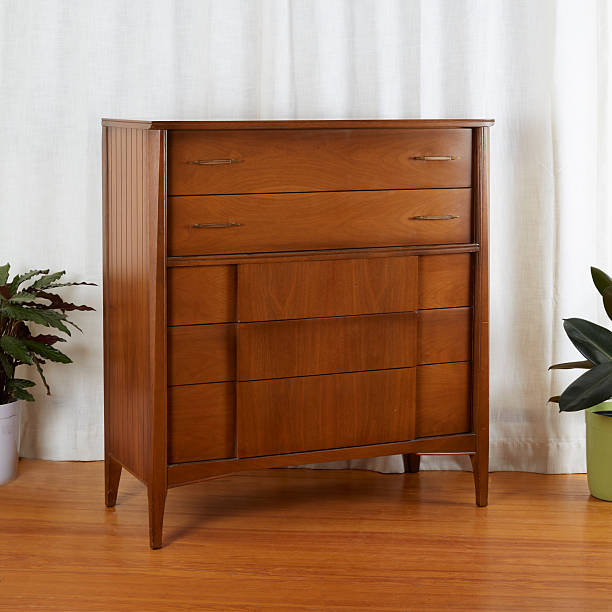
Nightstands should be treated as functional workstations, not just landing pads for a phone. The modern standard is a 28-inch height to align with the top of your mattress. Anything lower feels like an afterthought; anything higher is a literal headache.
Look for floating nightstands that mount directly to the wall. By clearing the floor space beneath the table, you visually expand the room and make cleaning significantly easier. Ensure they have integrated cable management to hide the inevitable mess of charging wires.
4. Updating the Bedroom Lighting

A single overhead boob light is the enemy of the atmosphere. You need three distinct layers: Ambient (the overall glow), Task (reading lamps), and Accent (lighting that highlights art or texture).
Dimmers are non-negotiable. I suggest installing 2700K warm-spectrum LEDs to mimic the setting sun, which aids melatonin production. For a professional touch, add recessed “cove lighting” along the ceiling perimeter to create a soft, indirect wash of light that makes the ceiling feel higher.
5. Refreshing the Wall Finish

Paint is the cheapest tool in your kit, but finish matters more than color. Flat or matte finishes hide imperfections in old drywall, while a high-gloss ceiling can reflect light and add a sense of luxury.
Consider Lime Wash or Venetian Plaster for a bedroom. These finishes are breathable, non-toxic, and provide a depth of texture that standard latex paint cannot replicate. They catch the light in a way that feels organic and alive rather than sterile.
6. Modernizing the Flooring

The first thing your feet touch in the morning shouldn’t be cold, cheap laminate. If you are stripping the floors, invest in wide-plank White Oak. It is the industry gold standard for its durability and neutral, warm undertones.
If you prefer carpet, avoid wall-to-wall synthetic shag. Instead, use a large-scale wool rug that extends at least 24 inches beyond the sides of the bed. Wool is naturally fire-resistant, hypoallergenic, and lasts decades longer than polyester blends.
7. Improving Closet and Storage Space
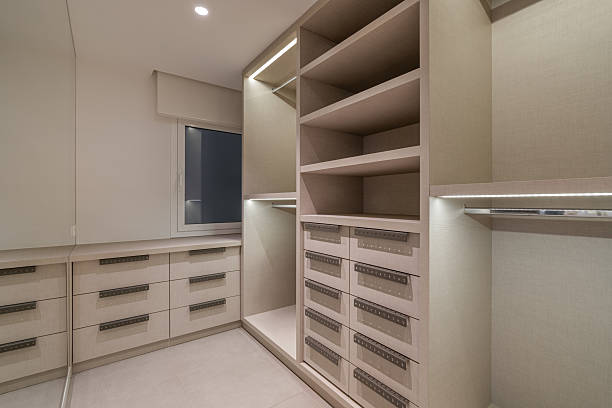
Chaos in the closet leads to chaos in the mind. A renovation is the perfect time to ditch the wire shelving for a modular built-in system. By utilizing the full vertical height of your walls, you can often double your storage capacity without increasing the footprint.
Lighting the interior of the closet is a stealth luxury move. Simple battery-operated or hardwired LED strips that trigger when the door opens transform a dark cave into a high-end dressing room.
8. Replacing Heavy Curtains

Clean windows and smart window treatments are the eyeliner of the room. Heavy, dated drapes block natural light even when open. Replace them with a dual-track system: a sheer layer for daytime privacy and a blackout hotel-grade liner for total darkness at night.
Mount your curtain rod as close to the ceiling as possible—not just above the window frame. This high and wide trick draws the eye upward and makes the windows appear much grander than they actually are.
9. Updating Bedding and Textiles

In a logical renovation, your bedding is a technical choice. Move away from synthetic microfiber and embrace long-staple cotton (Percale or Sateen) or French Linen.
- Percale: Best for hot sleepers who want a crisp, cool feel.
- Sateen: Heavier and silkier for a more formal, hotel vibe.
- Linen: Ideal for a relaxed, textured look that improves with every wash.
10. Introducing a Statement Furniture Piece
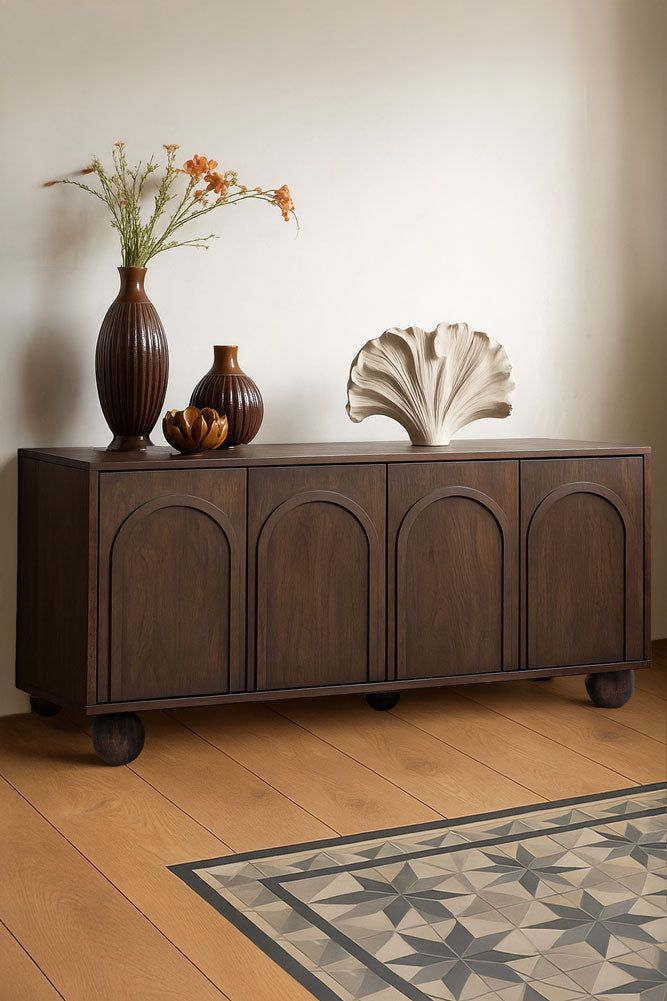
Every luxury room needs a punctuation mark—something that breaks the rhythm of the bed and nightstands. This could be a vintage leather bench at the foot of the bed or a hand-carved wooden armoire.
This piece shouldn’t match your other furniture perfectly. High-end design thrives on curated tension. If your bed is modern and sleek, find a piece with history and patina to ground the room.
11. Creating a Small Seating Corner
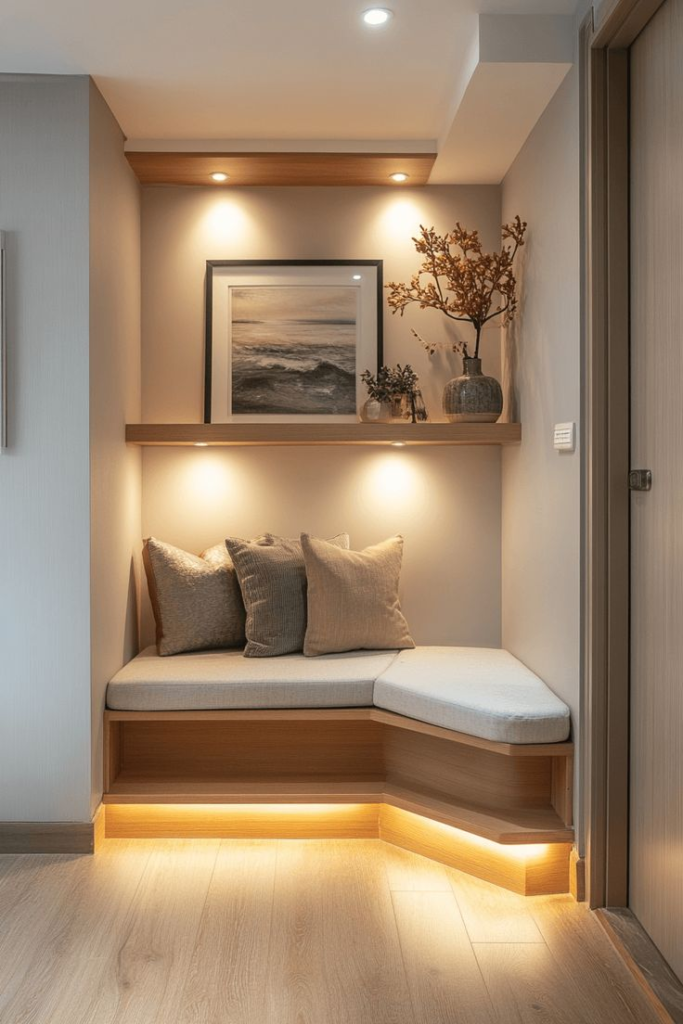
If space allows, a bedroom should serve as a private sanctuary beyond just sleeping. A single club chair and a small side table create a zone for reading or morning coffee.
As placement is key, tuck this into a corner near a window. It encourages you to use the room during daylight hours, making the bedroom feel like a suite rather than just a place to crash at night.
12. Finishing Touches That Pull the Room Together
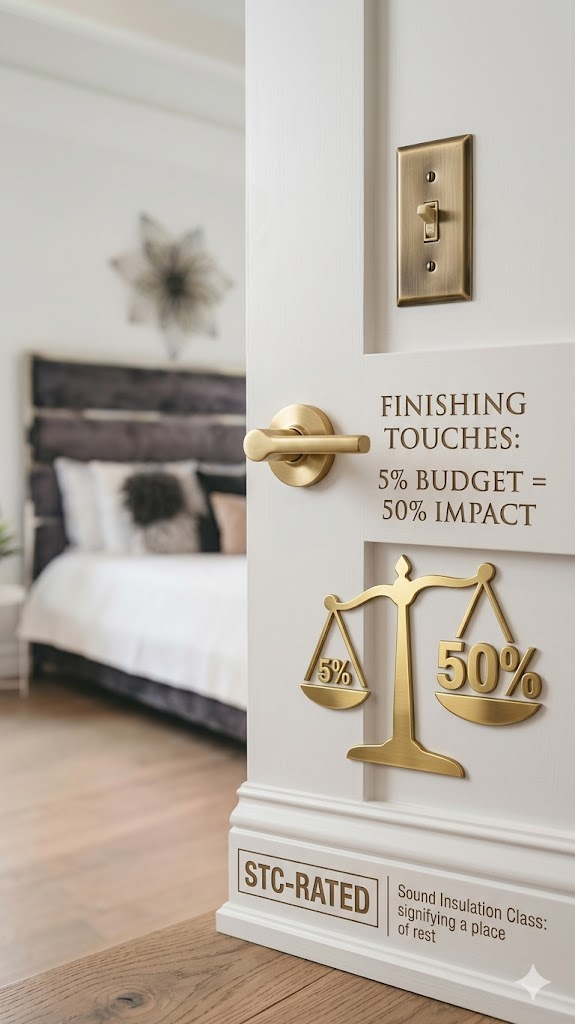
The final 5% of the budget creates 50% of the impact. This includes solid brass hardware on the doors, matching switch plates, and high-quality STC-rated (Sound Transmission Class) doors. A solid-core door feels substantial and blocks out the noise of the rest of the house, signifying that this is a place of rest.
Additional Small Changes to Makeover Bedroom
Significant impact often resides in the smallest mechanical details. If a full structural change is not feasible, focus on these tactical replacements:
- Switch Plates: Replace plastic builder-grade covers with unlacquered brass or matte steel.
- Door Hinges: Install ball-bearing hinges for silent, smooth door operation.
- HVAC Grilles: Swap white slotted vents for linear slot diffusers or decorative metal grilles.
- Outlet USB-C: Upgrade standard outlets to include integrated high-speed charging ports.
Important Note: Don’t ignore the Touchpoints of your bedroom. You touch your door handle and light switch dozens of times a day. If these feel cheap or flimsy, the entire room feels cheap. Spend the extra $50 on a heavy, solid-metal dimmer switch, which is a tactile reminder of quality every time you enter.
What Makes Bedroom Inspiration for Years
The longevity of a renovation depends on Honest Materials. Trends like peel-and-stick wallpaper or faux-wood vinyl provide temporary satisfaction but fail under the scrutiny of time. True inspiration comes from the marriage of form and function, where the room looks as good at 2 PM as it feels at 2 AM.
Also, avoid fast furniture and trendy colors like Millennial Pink or Ultra Grey. Instead, look toward the timelessness of Mid-Century Modern or Japanese Minimalism. These styles prioritize light, air, and the inherent beauty of wood and stone.
By prioritizing the room’s infrastructure over its stuff, you create a master suite that remains relevant and restorative for decades.
FAQ People Also Ask
How long does a typical bedroom renovation usually take?
A cosmetic makeover takes 1–2 weeks. A full structural renovation, including flooring, electrical, and millwork, typically requires 4–6 weeks depending on material lead times.
Which upgrades usually add the most value to a home?
Built-in storage and upgraded lighting systems offer the highest ROI. Buyers look for turn-key closets and a sophisticated electrical plan that doesn’t require immediate rewiring.
Is it better to renovate one room at a time or the entire house together?
Renovating one room at a time is easier on the budget and sanity, but doing the whole house allows for economy of scale. You save on labor costs by having the electrician or floor specialist do all rooms in one visit.
What mistakes do homeowners often make during renovations?
The biggest mistake is ignoring the Switches and Outlets. People often realize too late that their bed blocks the only outlet, or there is no light switch near the pillow.
Do built-in wardrobes increase property value?
Yes. They are viewed as a permanent architectural upgrade rather than furniture. They provide a clean look that maximizes square footage, which is a major selling point in urban markets.
What type of lighting do interior designers recommend for bedrooms?
Layered lighting with a CRI (Color Rendering Index) of 90+. This ensures that the colors of your clothes and skin look natural. Designers also prioritize circadian lighting that dims to very low levels at night.
How do designers create a balanced bedroom layout?
They use the Rule of Thirds. They balance the heavy weight of the bed with lighter elements like mirrors or windows on the opposite side, ensuring the room doesn’t feel lopsided or cramped.