I have spent enough seasons in the dirt to know that a garden can quickly become a graveyard for expensive, poorly made gadgets. You do not need a shed full of high-tech machinery to grow a successful harvest or maintain a beautiful landscape.
What you actually need is a core set of implements that respect the physics of the human body and the biological needs of your soil. The strategy for building a high-performance tool kit centers on durability and ergonomics.
Professional-grade equipment is usually forged rather than stamped. This means the metal is heated and hammered into shape, allowing it to withstand the leverage required to break through heavy clay or rocky earth without snapping at the neck.
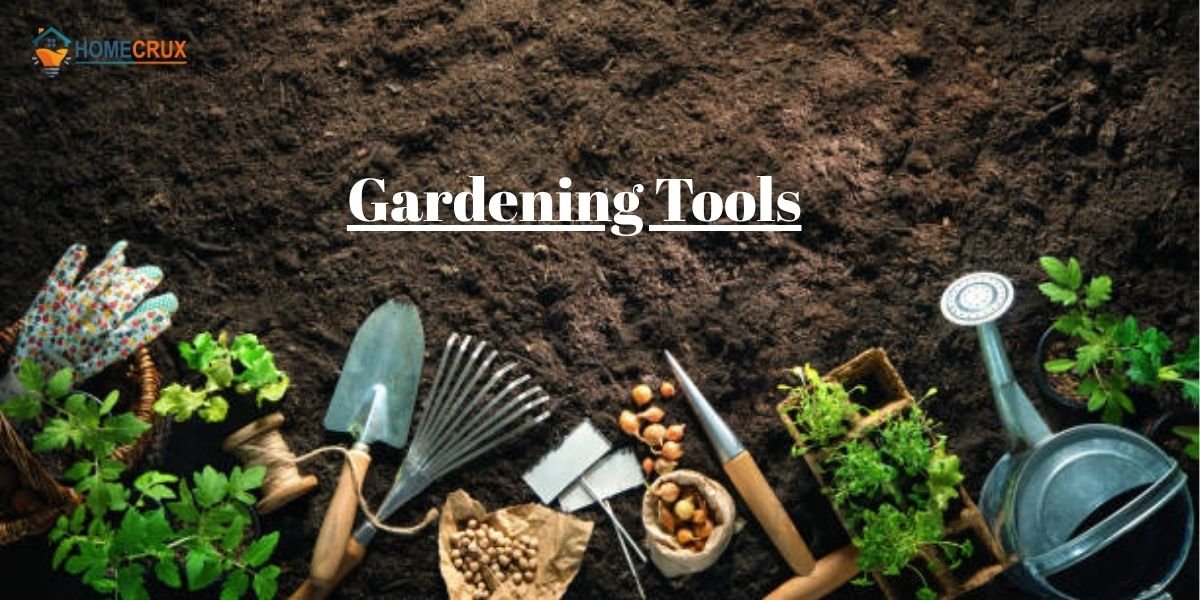
As you begin selecting your gear, prioritize forged carbon steel for strength and sustainable hardwoods or high-grade composites for handles. A tool is an extension of your arm, and the following guide breaks down the essential hardware required to manage a home garden with professional efficiency.
The Core Tools Every Garden Starts With
Every successful project begins with the right foundation. These are the workhorses that I find myself reaching for daily. If you are just starting your journey, these six items should be your primary investment.
Hand Trowel
A hand trowel is essentially a handheld spade designed for precision work. In my experience, most gardeners make the mistake of buying cheap plastic or thin aluminum versions that bend the moment they hit a buried root.
Look for a solid-state stainless steel trowel with a sharp, pointed tip. This tool is your primary means for digging individual planting holes for seedlings and small bulbs.
The weight should feel balanced in your palm, and the handle should be secured with a heavy-duty ferrule. This prevents the blade from wobbling or detaching after a few seasons of heavy use.
Garden Spade
Unlike a shovel, which is designed for scooping and moving loose material, a garden spade features a flat, square blade. This design is non-negotiable for creating clean, professional edges along your beds or slicing through thick sod.
I recommend a spade with a D-grip handle. This allows for maximum power transfer from your shoulder down through the blade. When you are dividing perennials or digging deep, narrow trenches, the flat edge of the spade ensures you are cutting the root ball cleanly rather than tearing it.
Garden Fork
The garden fork is the most underrated tool in the American shed. It is the primary instrument for soil aeration and turning compost.
Unlike a spade, which can inadvertently slice through beneficial earthworms and compact the soil structure, the tines of a fork pierce the ground to allow oxygen and water to reach the root zone.
If you are dealing with compacted soil in a new-build backyard, a forged steel fork is the only way to loosen the earth without destroying the delicate fungal networks that support plant life.
Rake
For home gardening, you generally need two different types of rakes, but a heavy-duty bow rake is the essential core tool. It features short, rigid tines that are used for leveling seedbeds and breaking up large clods of dirt after digging.
It is also a critical tool for spreading mulch or gravel evenly. A high-quality rake should have a long enough handle that you can maintain an upright posture while working. This prevents the lower back fatigue that often ends a productive afternoon early.
Garden Hose with Adjustable Nozzle
Watering is the most frequent task you will perform, yet it is often the most poorly executed. A heavy-duty rubber-reinforced hose is superior to cheap vinyl because it resists kinking and survives the intense UV rays of the summer sun.
Pair this with a multi-pattern spray nozzle. The Mist setting is vital for delicate seedlings that can be washed away by high pressure, while the Soaker or Shower settings are necessary for deep-root watering of established shrubs.
Controlling the velocity of the water ensures you are not eroding your soil or damaging fragile foliage. Consistency in watering is the difference between a thriving garden and a struggling one.
Garden Gloves
Gloves are a safety requirement, not a luxury. I suggest keeping two specific types. For tasks requiring high dexterity, such as sowing seeds or thinning tiny seedlings, Nitrile-coated fabric gloves provide a second-skin feel while keeping your hands dry.
For heavy pruning or moving woody debris, you need heavy-duty leather or goatskin gloves. Leather is the only material that reliably protects against the thorns of roses or the jagged edges of broken stone. A well-fitting glove reduces hand fatigue by providing a better grip on smooth wooden handles.
Tools for Planting, Transplanting, and Close Work
Once your beds are prepped, the focus shifts to the delicate work of moving plants from their nursery pots into the ground. This phase requires tools that prioritize precision over brute force.
Transplanting Trowel
While it looks similar to a standard trowel, a transplanting trowel is narrower and often features depth measurements etched directly onto the blade.
This allows you to measure exactly how deep a bulb or seedling is being placed, which is critical for species that are sensitive to planting depth. The slim profile makes it easy to work in tight spaces between existing plants without disturbing their root systems.
Soil Scoop
A soil scoop is a high-volume handheld tool with high sides. It is specifically designed for container gardening and potting.
While a flat trowel will spill soil everywhere, the scoop holds a large amount of potting mix, allowing you to fill large planters quickly and cleanly. It is also an excellent tool for measuring out soil amendments like perlite, peat moss, or organic fertilizers.
Dibber
A dibber is a simple, pointed tool used to poke uniform holes in the soil for seeds or small bulbs. In professional settings, this ensures consistent spacing and depth, which leads to more uniform growth across your rows.
I prefer a T-handled wooden dibber with a stainless steel tip. The weight of the tool does most of the work for you, and it is a massive time-saver when you are planting hundreds of spring bulbs or a long row of garlic.
Hand Weeder / Fulcrum Weeder
Weeds with long taproots, such as dandelions, cannot be removed by simply pulling on the leaves. A fulcrum weeder uses a curved metal piece against the soil surface to create leverage.
This allows you to pop the entire root out of the ground intact. This is the only way to ensure the weed does not grow back from a remnant root piece. Using a handheld weeder for precision work around the base of your vegetables prevents you from accidentally damaging the good plants while cleaning up your beds.
Tools for Shaping, Pruning, and Cutting Back Growth
Maintaining the structure and health of your plants requires regular intervention. Pruning is not just about aesthetics; it is about removing dead or diseased wood to prevent the spread of pathogens and encouraging the plant to direct its energy toward new growth and fruit production.
Pruning Shears (Bypass & Anvil)
Pruning shears, or hand pruners, are the most used tool in any gardener’s belt. I always insist on the bypass variety for live plants. These work like scissors, where two blades pass by each other to create a clean, surgical slice. This allows the plant tissue to heal quickly and reduces the risk of infection.
Anvil pruners, on the other hand, feature a straight blade that closes against a flat metal base. These should only be used on dead, brittle wood. If you use an anvil pruner on a living branch, the crushing action will mangle the stem and invite pests. For most home gardens, a high-quality pair of bypass pruners with replaceable parts is the better investment.
Loppers
When a branch is too thick for hand pruners—generally anything over half an inch in diameter—you need the increased leverage of loppers. Their long handles allow you to reach into the center of a dense shrub or high into a fruit tree while providing the torque necessary to cut through thick wood.
I recommend loppers with telescopic handles if you have tall trees, but ensure the locking mechanism is sturdy. Gear-driven loppers are also an excellent choice for those with limited hand strength, as they multiply the force of your squeeze to make heavy cuts feel effortless.
Hedge Shears
If you are maintaining formal boxwoods or long privacy hedges, hedge shears are essential for achieving a flat, uniform surface. These are designed for “mass pruning” rather than individual branch selection.
Because these require a rhythmic, two-handed motion, the weight and balance of the shears are critical. Look for models with bumpers or shock absorbers between the handles. This small feature prevents the jarring impact from traveling up your arms, which can lead to significant shoulder fatigue after twenty minutes of trimming.
Pruning Saw
For limbs thicker than two inches, loppers will struggle and potentially bend. This is where a folding pruning saw becomes vital. Unlike a standard carpentry saw, a pruning saw is designed to cut on the pull stroke, giving you more control in awkward angles.
The teeth are usually impulse-hardened to stay sharp through hundreds of cuts in green wood. A folding model is particularly handy because it can be tucked safely into a pocket or a sheath, ensuring the razor-sharp blade is protected when you are moving between different areas of the garden.
Heavy Garden Knife (Hori-Hori Style)
The Hori-Hori is a Japanese multi-tool that I believe belongs in every expert’s kit. It features a heavy, serrated blade that can be used for weeding, digging, and even light sawing.
I find it most useful for dividing perennials or cutting through heavy root bags when a standard trowel just won’t bite. The blade often includes depth markings, making it a rugged alternative for planting bulbs in tough, unworked soil. It is effectively a knife, a trowel, and a saw all in one.
Watering Methods That Actually Work in Home Gardens
Watering is a science of timing and placement. The goal is to deliver moisture directly to the root zone while keeping the foliage as dry as possible to prevent fungal diseases.
Watering Can
For container gardens, indoor plants, or newly sown seed flats, a metal or heavy-duty plastic watering can is indispensable. I prefer a can with a removable rose (the perforated nozzle).
A fine-spray rose provides a gentle “rain” that won’t dislodge seeds, while removing the rose allows for a steady stream to target the base of larger potted plants. Look for a balanced design where the handle wraps from front to back, allowing you to adjust your grip as the water level changes.
Garden Hose (with Spray Settings)
A garden hose remains the primary delivery system for most landscapes. As mentioned in the core tools, the adjustable nozzle is what makes the hose an expert tool.
I use the Shower setting for the majority of my garden beds, as it provides a high volume of water without the force that causes soil erosion. Using a hose also gives you the chance to inspect your plants daily, which is often how you catch pest outbreaks before they become disasters.
Soaker Hose
If you want to be efficient and conserve water, soaker hoses are the professional’s secret. These porous hoses weep water slowly along their entire length.
I lay them at the base of my tomato rows or under a layer of mulch in ornamental beds. This delivery method ensures that nearly 100% of the water reaches the roots, with almost zero loss to evaporation. It is the best way to keep a garden hydrated during a heatwave without wasting a drop.
Sprinkler
While overhead watering is generally discouraged for foliage, a rotating or oscillating sprinkler is sometimes the only practical way to water a large lawn or a newly seeded patch of wildflowers.
The key to using a sprinkler effectively is timing. Always run your sprinkler in the early morning so that any water that hits the leaves has time to dry in the sun. This prevents the damp, dark conditions that allow mildew and blight to take hold overnight.
Moving, Carrying, and Handling Garden Materials
The logistics of gardening involve a lot of heavy lifting. Protecting your back and saving your energy for the actual planting is a hallmark of a smart gardener.
Wheelbarrow or Garden Cart
For moving heavy loads like soil, mulch, or stone, a single-wheel wheelbarrow is the classic choice because it is easy to maneuver in tight spaces and easy to dump.
However, if you struggle with balance or have uneven terrain, a two-wheeled garden cart is a far more stable option. Carts typically have a lower center of gravity, which makes them easier to pull and less likely to tip over when you hit a bump or a hidden root.
Picking Basket or Garden Trug
When it comes time to harvest, or if you are simply moving hand tools and twine around the yard, a garden trug is essential. I prefer the traditional wooden slat design because it is breathable.
If you are harvesting greens or root vegetables, a breathable basket prevents the heat from building up, which keeps your produce crisp until you get it to the kitchen. It is a simple tool, but it beats carrying a handful of muddy tools or tomatoes in your shirt tail.
Tools for Harvesting Without Damaging Plants
The moment of harvest is the culmination of months of labor. Using the wrong equipment at this stage can result in torn stems or bruised produce, which significantly shortens the shelf life of your crops and leaves the parent plant vulnerable to disease.
Harvesting Knife
A dedicated harvesting knife is a sharp, often curved blade designed to slice through thick stems with a single motion. I find a curved serrated blade particularly useful for “clean-cutting” heads of broccoli, cauliflower, or cabbage.
The goal is to sever the vegetable without yanking on the main stalk, which can disturb the root system. For leafy greens like kale or chard, a quick, clean slice at the base of the petiole ensures the plant can continue to produce new foliage without wasting energy on healing jagged wounds.
Garden Scissors / Snips
For delicate tasks like harvesting herbs, deadheading flowers, or picking berries, garden snips are far more effective than heavy pruners. These tools feature long, thin blades that can reach deep into the center of a plant to select a specific stem.
I prefer snips with a spring-action handle, which reduces hand fatigue during repetitive tasks. Keeping a pair of sharp snips in your pocket allows you to perform “micro-maintenance” throughout the day, removing spent blooms or yellowing leaves before they become a larger problem.
Simple Tools That Keep a Garden Organized
A productive garden can quickly turn into a tangled mess of vines and unidentifiable seedlings. Organization tools are the structural supports that keep your rows navigable and your experiments documented.
Garden Twine
Garden twine is the unsung hero of the backyard. I always opt for natural fibers like jute or sisal because they are biodegradable. If a piece of twine is accidentally left in the soil at the end of the season, it will break down naturally.
Twine is essential for creating straight planting lines, securing heavy tomato vines to their supports, or bundling herbs for drying. It provides a soft but firm hold that won’t “strangle” a growing stem as a wire tie might.
Plant Stakes
Unless you are growing a strictly low-to-the-ground garden, you will need plant stakes. Whether you choose bamboo, cedar, or coated steel, stakes provide the vertical framework for climbing plants like peas, beans, and peppers.
For heavy feeders like tomatoes, I recommend sturdy hardwood stakes driven at least twelve inches into the ground. Providing this support early in the season prevents the plant from collapsing under the weight of its own fruit, ensuring proper airflow and reducing the risk of ground-borne rot.
Plant Labels
Never assume you will remember which variety of heirloom tomato you planted in Row 4. Plant labels are a critical trust signal for your own record-keeping.
I suggest using copper or zinc tags paired with a permanent garden marker. Unlike plastic labels that become brittle in the sun or wooden sticks that rot in the damp earth, metal labels last for years. This allows you to track the performance of specific varieties across multiple growing seasons, which is the only way to truly master your local microclimate.
What You’ll Actually Use Weekly vs Occasionally
Building a tool collection is an investment, and you should prioritize your spending based on the frequency of use. In my years of maintaining various landscapes, I have found a clear divide between the “daily drivers” and the “specialty gear.”
Weekly Essentials
These are the tools that should live in your garden bag or a dedicated spot near the door. You will likely touch these every time you step outside.
- Hand Trowel & Snips: For quick weeding and harvesting.
- Garden Hose & Nozzle: For consistent hydration and plant inspection.
- Gloves: For basic hand protection and grip.
- Garden Trug: To carry tools out and produce back in.
Occasional Hardware
These tools are vital for specific tasks but can be stored in the back of the shed for much of the season.
- Garden Spade & Fork: Primarily used for spring soil prep or fall cleanup.
- Loppers & Saws: Necessary only during the heavy pruning windows of late winter or mid-summer.
- Broadfork: Ideally used just once or twice a year to open up soil without tilling.
- Sprinklers: Used mostly during seed germination or extreme drought.
FAQs
How can I prevent back and wrist strain while gardening?
Ergonomics is about lever length and posture. Always choose tools with handles appropriate for your height so you can maintain an upright spine. When digging, “step” into the spade with your body weight rather than using your lower back to pry. For wrist health, look for ergonomic handles on hand tools that keep your wrist in a neutral, straight position, reducing the risk of carpal tunnel or tendonitis.
Is stainless steel or carbon steel better for tools?
It depends on your maintenance habits. Stainless steel is rust-resistant and easier to clean, which is perfect for most home gardeners. However, Carbon steel is the professional choice because it is harder and can be sharpened to a much finer edge. If you are willing to wipe your tools down and oil them occasionally, carbon steel will offer superior performance and a longer life.
How do I store tools to prevent rust?
Never store tools with wet soil clinging to the blades. After use, spray them down and dry them with a rag. A classic expert trick is to keep a bucket of sand mixed with a little mineral oil in your shed. Plunging your metal tools into the sand a few times after a shift scours off the grit and leaves a protective oil film that prevents oxidation.
When should I use bypass vs anvil pruners?
Use Bypass pruners for anything that is alive. The scissor action makes a clean cut that helps the plant heal. Use Anvil pruners only for dead, dry branches. The anvil design works by crushing the material against a flat surface; if you do this to a live plant, you will mangle the bark and create an entry point for disease.
Are electric pruners worth it for home gardens?
If you have more than a few fruit trees or struggle with arthritis or limited hand strength, electric pruners are a game-changer. Modern lithium-ion models are lightweight and can make hundreds of clean cuts on a single charge. They drastically reduce the repetitive strain on your joints, allowing you to garden for longer periods without pain.