Many homeowners mistakenly believe that a stunning front yard requires a massive bank account and a crew of contractors. In reality, the most welcoming landscapes often come from a simple and honest connection with the land.
You do not need expensive imported marble to make a statement because the right mix of local stone, healthy topsoil, and native greenery creates a far more professional look than any high-priced project. When you arrange these natural elements with a bit of purpose and matching textures, the result is a high-end aesthetic that feels both intentional and effortless.
Achieving this level of beauty is about moving past the guesswork and adopting a research-based mindset. You should focus on how water features, gravel paths, and plant choices interact with the specific architecture of your home. If you do this correctly, you can achieve a designer finish without the designer debt. If you are ready to update your garden and keep it looking its absolute best, following a guide inspired by top-tier landscaping is the smartest way to start.
Let’s explore these 18 transformative ideas and see what the experts have to say about why they work. We will dig into the specific reasons behind each design to help you choose the best option for your property. This ensures your outdoor space stands the test of time and becomes a neighborhood favorite.
Meet the Experts
Elena Thorne: Elena is a landscape designer from the Pacific Northwest who focuses on micro-gardening for suburban lots. She spent a decade at a local nursery before starting her own consultancy, where she helps people with drought-tolerant transitions. She believes every front yard has a soul that reveals itself through the right pruning and stone placement.
Marcus Reed: Marcus is a veteran gardener and the creator of the Small Plot Project, which helps urban homeowners. He has over 15 years of experience in soil health and native plant propagation. He advocates for working with the land rather than against it and helps people replace thirsty grass with biodiversity.
01. Simple Grass and Mulch Layout
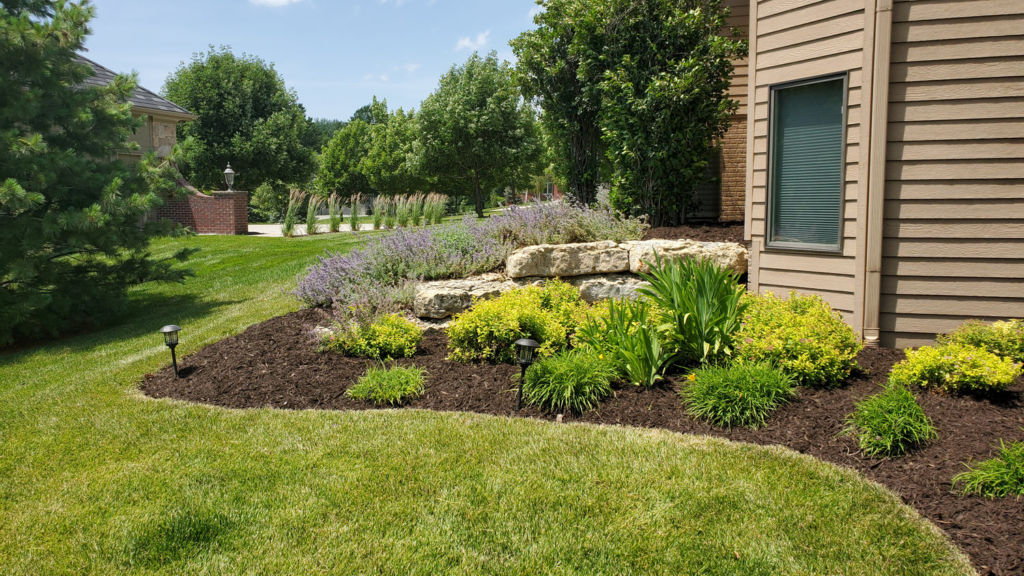
Dark and fresh mulch against a vibrant green lawn is a classic for a reason because it works every single time. This strategy relies on deep earthy contrast to make your plants pop and your home look instantly more structured. The only real trick here is keeping a sharp and clean edge between the grass and the beds so the yard does not look neglected.
Using organic cedar mulch acts as a natural shield against insects while it slowly breaks down to feed your soil. Elena Thorne says that the secret to a million-dollar look on a hundred-dollar budget is simply a fresh bag of bark mulch and a sharp spade for edging. It is a low-cost and high-impact project that any beginner can finish in a single afternoon.
02. Gravel Front Yard Design
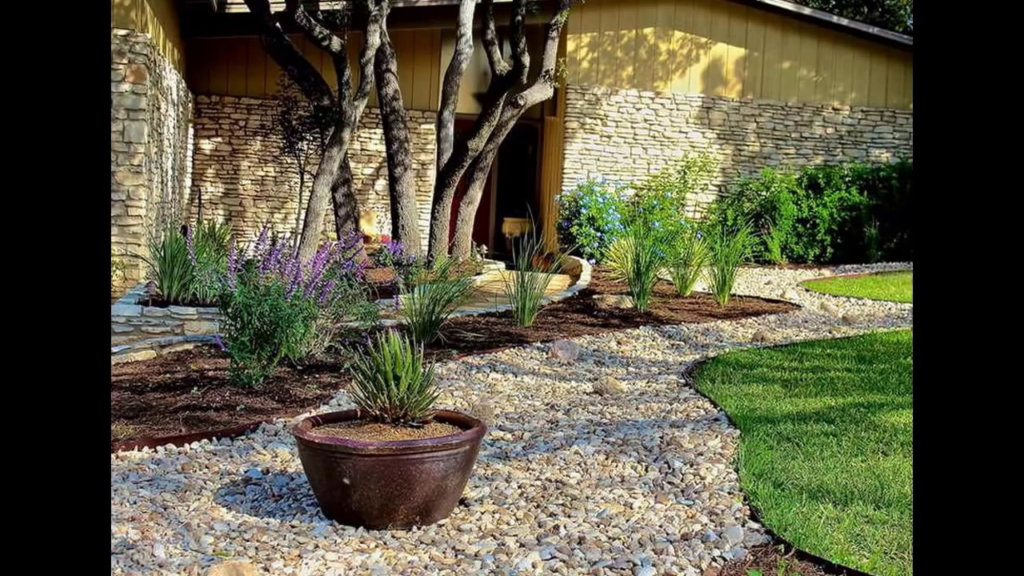
If you are tired of dragging the mower out every weekend, then switching to gravel is the ultimate liberation. Gravel comes in a huge palette from warm pea gravel to sharp modern crushed granite. This variety makes it easy to match the stone to the siding or brickwork of your house. Marcus Reed often says that the crunch of gravel underfoot adds a sensory layer to the garden that plants alone cannot provide.
Gravel is also a champion of drainage, which keeps your foundation dry and prevents your plants from drowning in heavy rain. It provides a permanent and stable ground cover that will not blow away or rot, as wood chips might. To get the best result you should clear the weeds thoroughly and lay down a heavy-duty fabric before pouring your stone from the local hardware store.
03. Drought-Tolerant Plant Landscaping
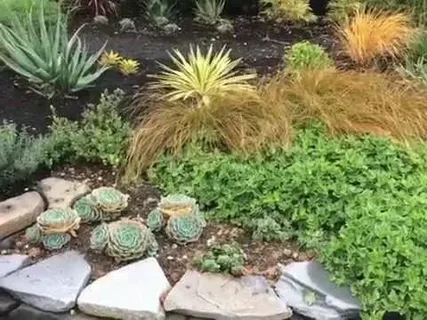
Xeriscape ideas are no longer just for the desert and they are a smart move for anyone looking to slash their water bill. By choosing thirstless plants like lavender or yarrow, you build a garden that can handle a heatwave without breaking a sweat. These species offer fantastic textures and silvery-green foliage that give a sophisticated architectural vibe to your front yard.
Choosing drought-tolerant options does not mean you are stuck with a brown yard. Many varieties like Salvia or Agastache send up brilliant spikes of color that stay vibrant all summer long. Elena Thorne reminds us that these hardy survivors start to pop up just as winter’s grip begins to loosen, which reminds us that beauty does not require a hose.
04. Rock Garden Setup
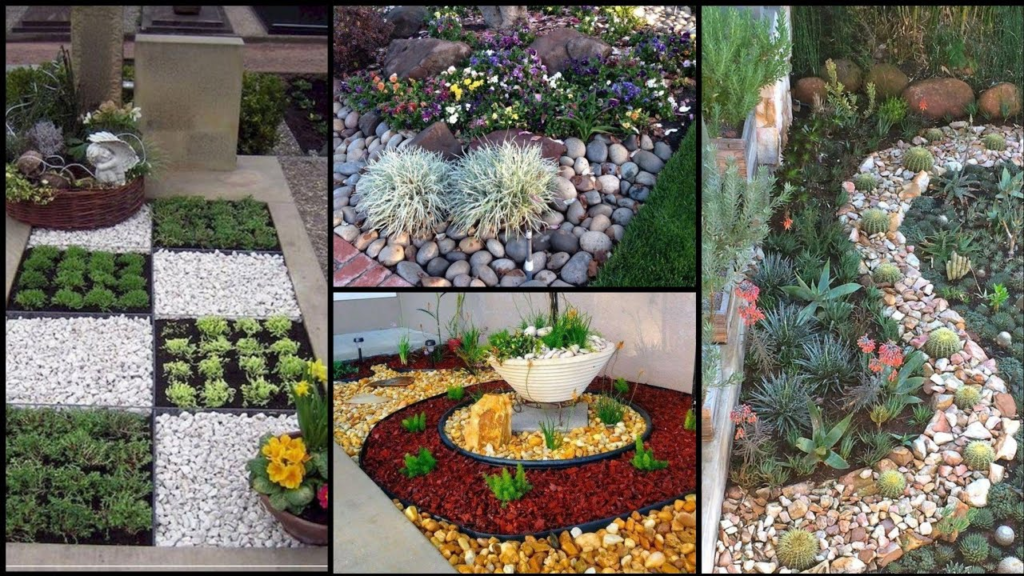
A rock garden is a brilliant way to turn a steep slope or a patch of bad soil into a focal point. By grouping large boulders with smaller river rocks you can mimic a rugged mountain landscape right in your front yard. It is a naturally low-maintenance setup because the stones occupy the space where weeds usually try to take over.
The key to a natural look is burying the bottom third of your largest anchor stones so they look like they have been there for centuries. You can then fill the gaps with a gritty soil mix and tuck in tough ground covers like Creeping Phlox. Expert gardener Laura Jenny says that she drinks to the philosophy that less is often more because the quiet strength of stone is often more beautiful than a cluttered flower bed.
05. Small Flower Bed Along Walkway
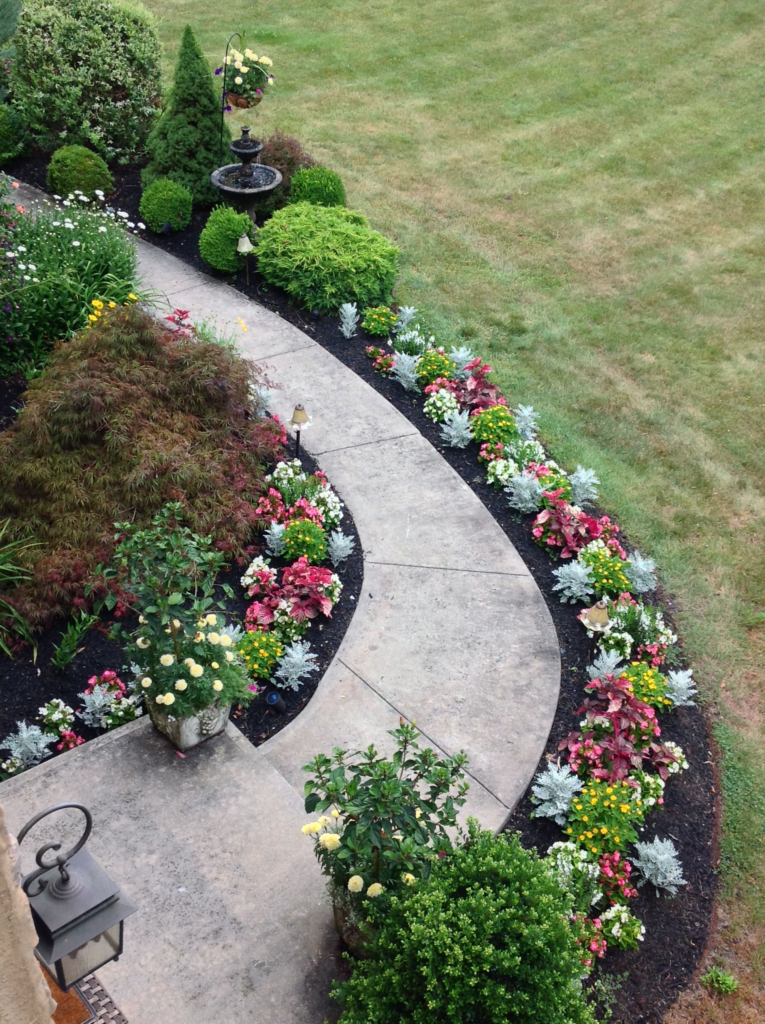
Your walkway is the guided tour your guests take to your front door, so it deserves the most attention. A narrow flower bed that is even just 18-inch wide softens the hard lines of a concrete path and makes the walk feel like a journey. Planting rosemary or creeping thyme near the edge releases a wonderful scent every time someone brushes past.
By keeping the bed small, you keep the weeding and pruning down to a manageable few minutes a week. You can even tuck a small stone birdbath into the bed to create a little destination for local wildlife. Marcus Reed says that he loves crafting little gardens in key areas like the walkway because they catch the eye immediately.
06. Minimalist Front Yard with Pavers
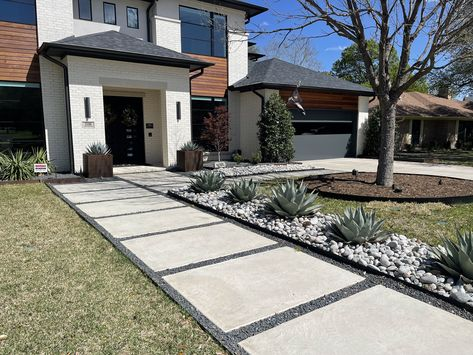
For those who love clean lines and a modern feel, a minimalist paver design is the way to go. Large concrete slabs separated by strips of moss or dark pebbles create a sleek architectural look that feels very high-end. This design cuts down on the amount of plant material you have to babysit, which makes it a top pick for low-maintenance landscaping.
Pavers also provide a rock-solid surface for a modern bench or a small water feature. Elena Thorne observes that growing your own plants can be one of the most interesting journeys, but sometimes the hardscape needs to take center stage. It is an ideal choice for homes with mid-century or contemporary vibes.
07. Raised Garden Beds for Easy Care
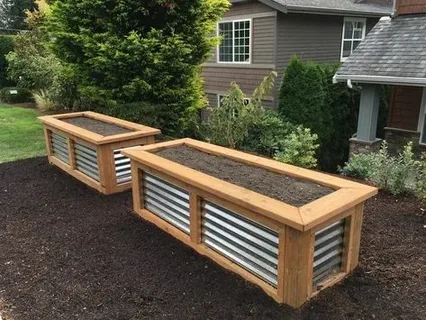
Lifting your garden into raised beds is a massive win for your back and your soil quality. Whether you use cedar boards or stacked stone, these beds prevent the ground from getting packed down and allow for perfect drainage. In a front yard, they provide a sense of order and structure that keeps things from looking messy.
Raised beds are incredibly productive, whether you are planting a cluster of perennials or mixing in some ornamental kale for texture. Marcus Reed suggests that raised beds are like frames for your favorite flower. This setup allows you to put your most beautiful plants right at eye level, where everyone can enjoy them.
08. Artificial Grass Front Yard
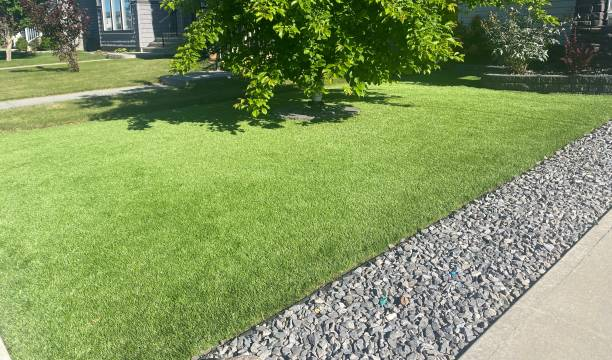
When natural grass just will not grow because of deep shade or poor soil, then artificial turf is a lifesaver. Modern turf is incredibly soft and looks so much like the real thing that most people will not know the difference from the sidewalk. It is a top-tier choice for budget-friendly designs because it kills off the cost of fertilizer and gas for the mower.
The upfront cost is an investment, but the freedom from weekend lawn chores is priceless. Elena Thorne notes that she has seen artificial turf transform a patchy brown front lawn into a vibrant green space in a single afternoon. It stays green and mud-free all year round, regardless of the weather.
09. Native Plants Landscaping
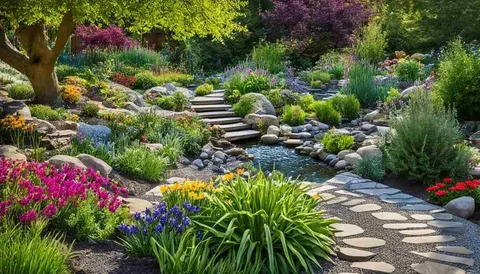
Native plants are the ultimate cheat code for an easy garden. Since these species evolved in your backyard, they handle the local weather and pests without any help from you. Using native grasses and wildflowers also turns your yard into a buffet for local birds and butterflies, which is a great way to support the local ecosystem.
Once these plants find their feet, they usually need zero watering from you. Marcus Reed notes that working with native plants is like speaking the language of the land. He recommends visiting a local project to see which varieties are currently thriving in your specific area.
10. Front Yard with Stepping Stones
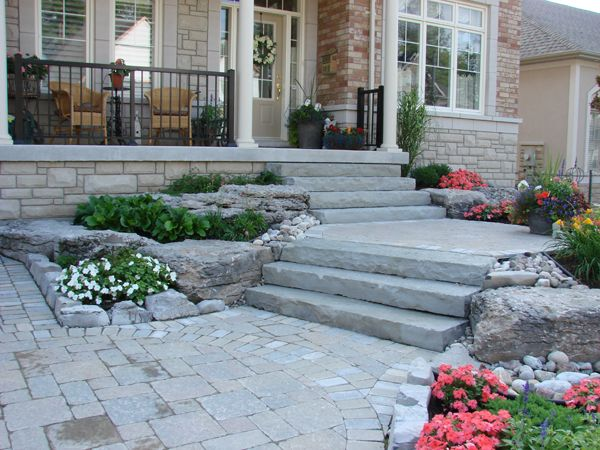
Stepping stones bring a relaxed and whimsical feel to a front lawn landscaping project. Unlike a solid concrete path, individual stones allow the garden to breathe and let ground covers creep in between the gaps. It is a very budget-friendly DIY project because you do not need any heavy machinery or expert-level masonry skills to get it right.
Tucking Irish Moss or Woolly Thyme between the stones creates a soft green carpet that smells amazing when stepped on. Elena Thorne loves this approach because a path made of irregular stones feels more organic and inviting. This helps the garden feel like a natural part of the home rather than something forced.
11. Low-Maintenance Shrub Design
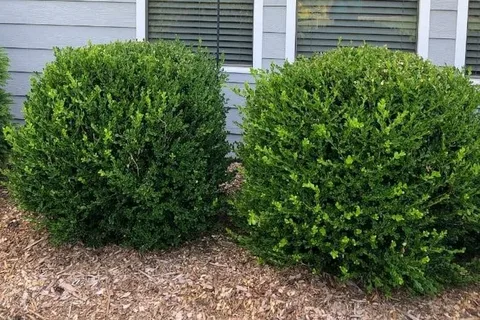
Shrubs are the bones of your yard because they stay put and provide green structure even in the dead of winter. By choosing evergreens like Boxwood or Juniper, you ensure your home never looks bare. These plants are incredibly tough and usually only need a quick hair-cut once a year to keep their shape.
Layering different heights of shrubs creates privacy and a sense of depth. Marcus Reed points out that a row of well-placed shrubs can block the view of the street while adding a lush and layered look to the house. This is a smart move if you live on a busy corner.
12. Mulched Garden Beds with Borders
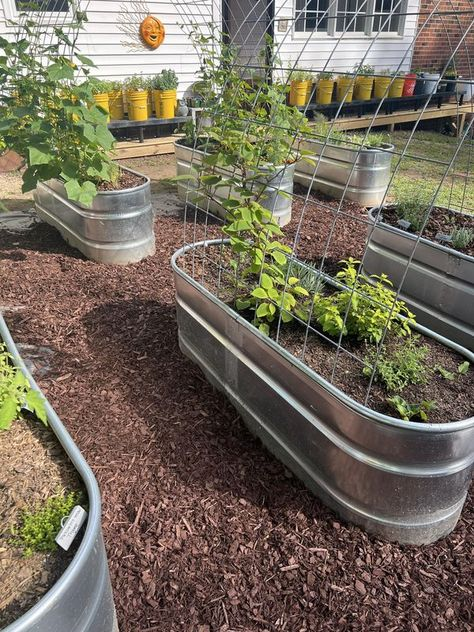
A thick layer of mulch is only as good as the border holding it in place. Whether you use old bricks or natural stone, a border keeps the mulch from washing onto the sidewalk during a storm. It creates that designer contrast that makes even the simplest plants look like they were installed by a professional.
A solid border also makes your life easier when it is time to mow because it gives your wheels a clear path to follow. Elena Thorne often tells her clients that a clean border is the mascara of the garden because it makes everything pop. This shows how such a small detail can finish the entire look.
13. Desert-Style Landscaping
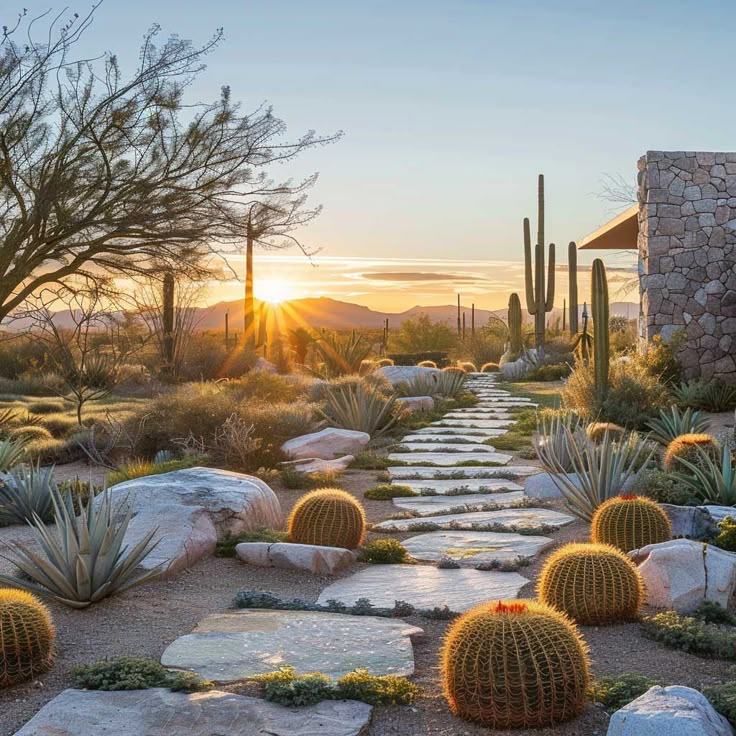
Desert-style landscaping is all about the raw beauty of sand and stone and architectural plants like Yucca. This approach uses decomposed granite and boulders to create a sculptural feel that requires almost no water. It is a bold move that shows a real commitment to saving resources while still having a stunning yard.
Many towns even offer rebates if you ditch your thirsty grass for this kind of water-wise design. Marcus Reed believes that desert gardening is about appreciating the subtle colors and strong forms. This helps you move away from the high-maintenance treadmill of the traditional green lawn.
14. Front Yard with Decorative Stones
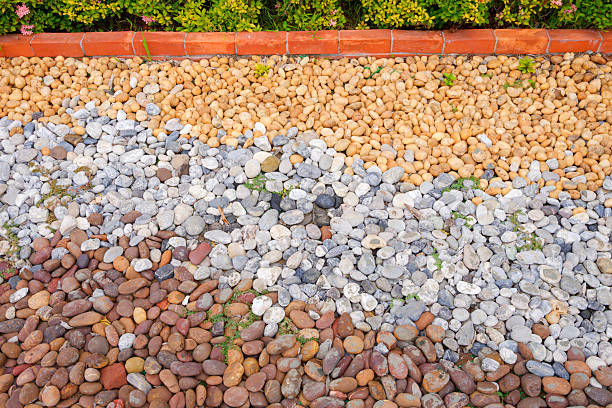
Decorative stones like white marble chips or black lava rock are a great way to add permanent color to your yard. You can use them to highlight a specific tree or even create a dry creek bed that helps manage rainwater. Unlike mulch stone does not disappear over time so your yard stays looking just finished for years.
Combining different sizes and colors of stone adds a bit of landscape drama to the front yard. Elena Thorne mentions that decorative stone is like jewelry for your yard because it provides a permanent splash of texture that never needs to be weeded.
15. Small Tree with Clean Ground Cover
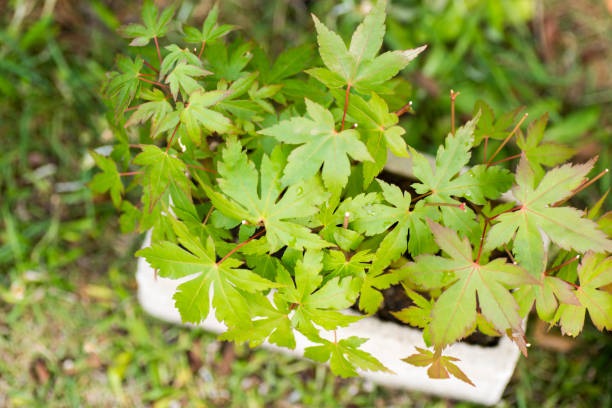
Sometimes you only need one hero in the yard to make it look complete. A single beautiful tree like a Japanese Maple or a Flowering Dogwood creates an elegant and estate-like look. This is the perfect strategy for a small area where you want a big impact without spending much.
By focusing on one great tree you simplify your life and create a major visual landmark. Marcus Reed suggests that a tree is a legacy you leave for the next homeowner. A tree’s value only goes up as it matures and spreads its canopy over your garden.
16. Front Yard Edging with Bricks or Stone
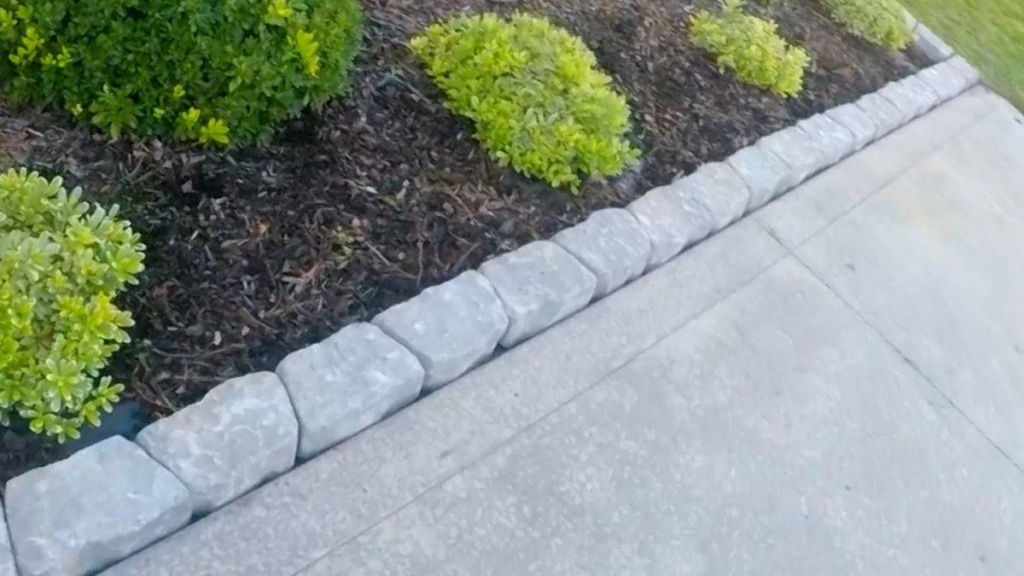
Using old bricks or fieldstone to line your driveway and beds adds a sense of history to your property. It creates a physical wall that keeps dirt and mulch off your clean walkways which is a huge help during the rainy season. It is an affordable way to add some weight and character to a standard suburban lot.
Edging also acts as a safety barrier for your plants by keeping them safe from the mower’s blades. Elena Thorne notes that edging prevents the chaotic look of overlapping textures. This allows every part of your landscape to have its own clear identity and space.
17. Mixed Perennials for Year-Round Color
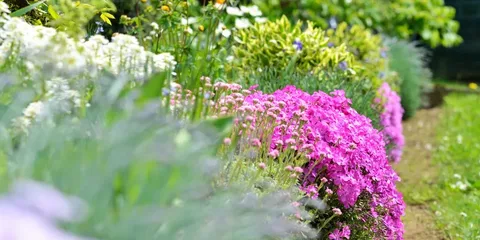
Perennials are the best investment you can make in your yard because they come back bigger and better every year. Unlike annuals that die off, plants like Daylilies and Peonies return to give you a fresh show of color every spring. By mixing different varieties you can have flowers blooming from April all the way through October.
Planting these in thick flower pads makes a massive impact from the street. Marcus Reed loves this planting for the future idea because as your perennials grow they actually act as a living mulch. This naturally smothers out weeds for you so you spend less time cleaning the beds.
18. Simple Driveway Border Landscaping
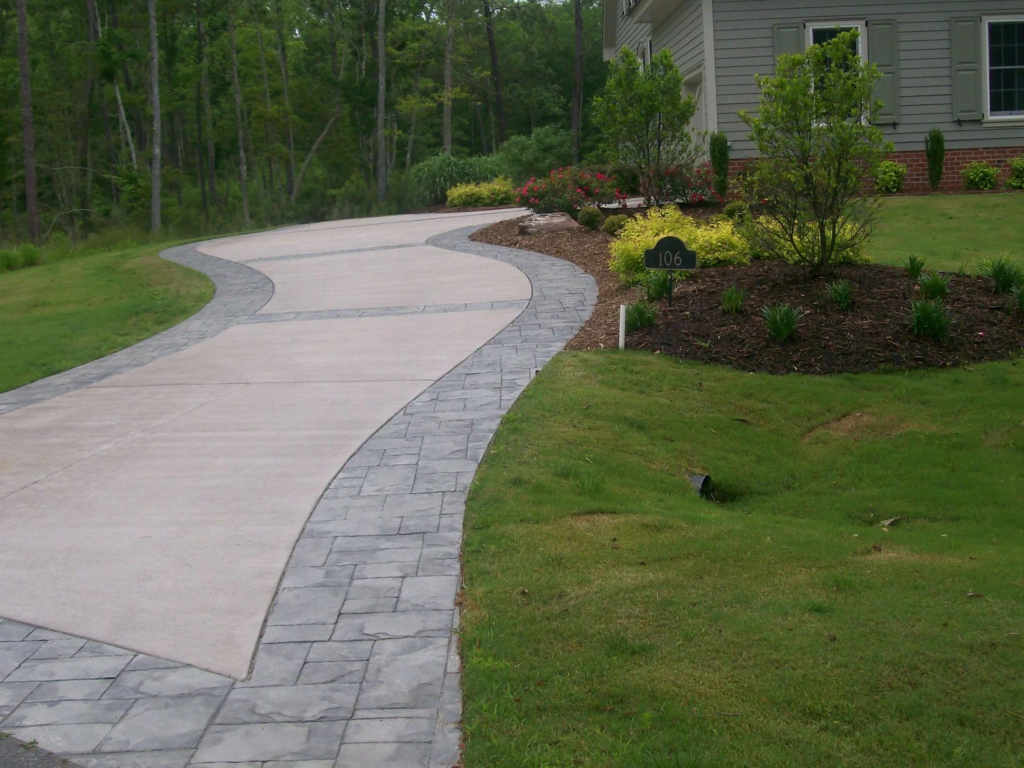
The driveway is often just a boring slab of grey but a simple border of lavender can change that instantly. This softens the transition between the hard concrete and the soft yard to make the whole property feel more connected.
This is also a great spot to add some height to your design. Elena Thorne suggests that a driveway border is the perfect place to use a wire trail or climbing vines. This adds vertical beauty without eating up any ground space in your front yard.
Tips to Keep Front Yard Landscaping Easy to Maintain
Getting a great yard is one thing but keeping it that way should not be a second job. The secret is setting things up so they take care of themselves as much as possible. If you use a few professional tricks you can spend more time in a lawn chair and less time on your knees pulling weeds.
Follow these simple tips for a low-stress yard:
- Go Heavy on Mulch because a solid three-inch layer is your best defense against weeds and dried-out soil.
- Get a Smart Timer for your hose or a drip irrigation kit to take the stress out of watering.
- Edge Once a Year in the spring to keep the grass from invading your flower zones.
- Pick Compact Plants like shrubs that naturally stay small, so you are not out there pruning every other week.
- Group Your Water-Hogs together so you do not have to soak the whole yard for one thirsty flower.
Landscaping is much easier when you find a rhythm that works with your local climate instead of fighting it. When you lean on native species and healthy soil the yard begins to look after itself. Marcus Reed often says that the most successful gardens are the ones where the owner knows when to let go of the reins.
You should remember that your front yard is supposed to be a source of joy rather than a source of chores. Consistency is always more effective than intensity, so a few minutes spent deadheading a flower once a week keeps that professional glow alive. By choosing a design that respects your local environment, you build a space that stays beautiful for many years to come.
FAQ: Common Front Yard Landscaping Questions
How can I landscape my front yard for the first time on a budget?
Starting your first landscaping project does not have to be expensive if you focus on foundational changes. You should begin by clearing out dead weeds and defining the edges of your existing beds with a sharp spade. After that you can buy bulk mulch and gravel from a local hardware store to cover large areas quickly. Selecting small young plants instead of mature ones will also save you significant money, as they will grow to fill the space within a season or two.
What are the best low-maintenance plants for a front garden?
The best plants for a work-free yard are usually evergreen shrubs and native perennials. Species like Boxwood or Juniper stay green all year and only need a quick trim once a season. For color, you should look for local wildflowers or hardy plants like Lavender and Coneflowers because they return every year without needing much water. These choices allow you to have a beautiful yard that essentially looks after itself.
How do I choose between mulch and decorative stone?
Choosing between these two depends on your long-term goals and the look of your house. Mulch is very affordable, and it helps improve the health of your topsoil as it breaks down, but you have to refresh it every year. Decorative stones or gravel cost more upfront, but they are permanent and do not need to be replaced. If you want a natural cottage look, you should go with mulch, whereas stone is better for a modern or desert-style aesthetic.
Can I do front yard landscaping myself or do I need a pro?
You can definitely handle most front yard landscaping ideas yourself if you have a bit of time and a few basic tools. Projects like laying stepping stones or planting a flower bed along a walkway are perfect for a weekend DIY. You only really need a professional for heavy construction, like building large retaining walls or installing complex drainage systems. For everything else, a good shovel and a clear plan are all you need to get professional results.
How do I make a small front yard look bigger?
To make a small area feel larger, you should avoid cluttering the space with too many different types of plants. Using a minimalist design with clean lines and a few high-impact features, like a single Japanese Maple can create a sense of depth. You should also use light-colored gravel or large pavers to open up the visual space. Creating a clear path with stepping stones can also trick the eye into thinking the garden is deeper than it actually is.
What is the fastest way to improve curb appeal?
The fastest way to transform your home’s exterior is by refreshing the bed edges and adding a layer of dark mulch. This creates an immediate contrast that makes the whole yard look maintained. You can also add a few potted plants or a stone birdbath near the entrance for an instant focal point. These small updates can be finished in just a few hours, but they make a massive difference in how people see your home from the street.