
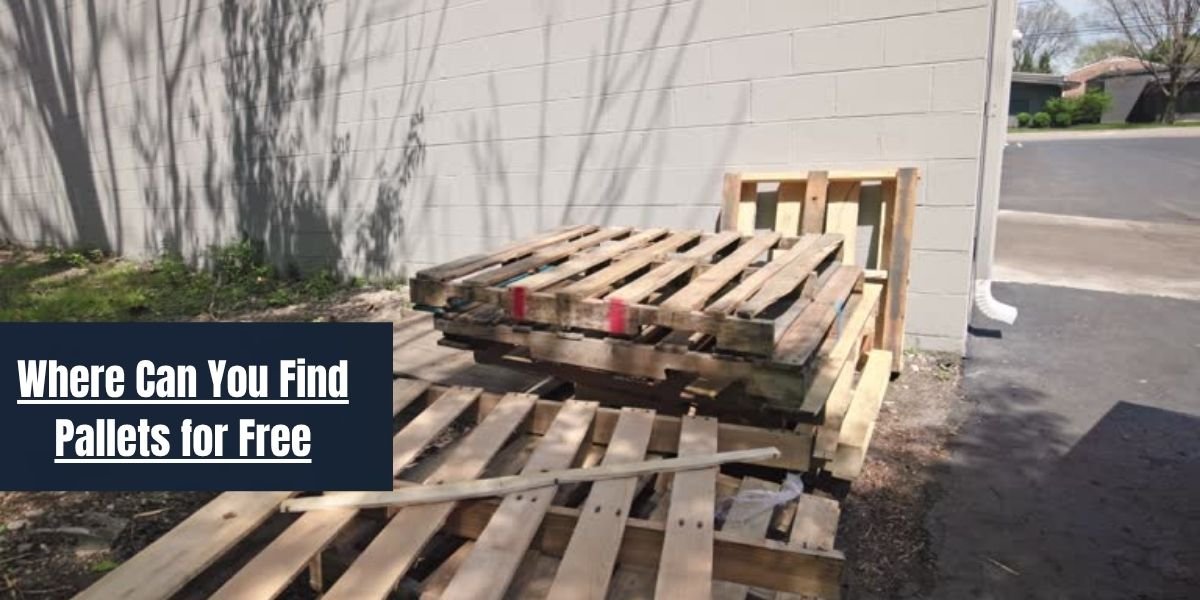
You can find free pallets easily by visiting local businesses that receive frequent freight shipments and want to clear out their leftover wooden frames. Small independent shops, hardware stores, garden centers, and equipment dealers often pay disposal fees to haul off clean wood pallets. Taking these off their hands saves them money and gives you a steady supply of free project lumber.
Free pallets are abundant across most cities, but grabbing them without explicit authorization can lead to trespassing or theft charges. Many businesses re-use their heavy-duty shipping units or return them to logistics providers for cash deposits. Knowing where to look, understanding pallet ownership markings, and securing proper permission before loading your vehicle are essential first steps.
Start With Businesses That Regularly Receive Shipments
Commercial operations rely on freight carriers to move heavy inventory on wooden pallets daily. Smaller enterprises lack dedicated logistics teams or recycling contracts to handle the steady stream of excess wood accumulation behind their facilities.
Their limited storage space makes stacked pallets a safety hazard and an operational headache. Because waste management companies charge extra fees to haul away bulky wood items, business owners view polite collectors as a convenient, free removal service.
Hardware and Home Improvement Stores
Local non-chain hardware outlets receive regular deliveries of dry mix concrete, lumber, and heavy tools. They accumulate dozens of standard softwood pallets every week that clutter their loading bays.
The best time to request pallets at these stores is early morning on weekday delivery days, right after workers finish unloading the trucks.
Head directly to the rear receiving dock and speak with the warehouse manager or receiving clerk rather than the front-counter retail staff.
Garden Centers and Plant Nurseries
Nurseries experience massive seasonal influxes of bagged soil, mulch, stone, and potted plants shipped on sturdy wooden platforms.
Spring and early summer represent the peak months for finding high volumes of discarded shipping wood at these sites.
DIY builders frequently overlook local plant nurseries, making them low-competition locations where managers willingly give away clean, heat-treated wood.
Furniture and Appliance Stores
Appliance distributors and furniture retailers receive heavy, oversized items that require specialized, heavy-duty wooden frames.
These locations are ideal sources if you need longer boards or thick runner boards for structural building projects.
Most of these stores unload inventory early in the morning and welcome anyone who can clear away their large packing debris immediately.
Grocery Stores and Wholesale Clubs
Independent supermarkets and regional food distributors handle large quantities of dry goods delivered on standardized wooden frames.
Mom-and-pop grocers are usually happy to hand over non-returnable pallets to avoid dumpster rental overage fees.
Major supermarket chains and big-box membership clubs rarely give pallets away because they participate in strict pallet exchange programs.
Feed Stores, Pet Supply Shops, and Farm Suppliers
Agricultural supply stores regularly unpack heavy sacks of animal feed, fertilizer, and bulk pet food shipped on dense oak pallets.
These pallets are built to support extreme weight, making them exceptionally durable for outdoor structural uses.
Farm supply stores face far less collector competition than urban retail stores, and managers are generally eager to clear their loading areas.
Local Warehouses and Distribution Centers
Industrial parks house small distribution centers that handle bulk goods for local distribution routes.
These facilities constantly sort out broken or non-standard wooden pallets that do not meet strict corporate shipping guidelines.
Walk into the front office or shipping department during morning operational hours and ask to speak with the dock supervisor.
Small Manufacturing Businesses
Independent light manufacturing shops, cabinet makers, and metal fabricators receive raw materials daily on custom wood skids.
Because these shipping platforms vary in size, commercial recyclers refuse to buy them back.
This makes small manufacturing plants one of the most reliable sources for free, high-quality, dry wooden pallets.
Where to Find Free Pallets Online Before You Leave Home
Online classified platforms allow you to secure free pallets without driving around wasting fuel. Local business owners and homeowners post free listings daily to clear out their driveways and yards.
Search systematically using focused terms like wood skids, free wood, shipping pallets, and free lumber. Check these platforms early in the morning, as free listings disappear quickly.
- Facebook Marketplace: Filter search results specifically by Free under the price tab and set your distance radius to 10 miles.
- Craigslist: Check the Free section under the For Sale heading, especially mid-week when commercial businesses post bulk cleanouts.
- OfferUp: Search for local listings and use the built-in messaging tool to ask sellers about wood condition before driving out.
- Nextdoor: Post a direct request asking neighbors or local business owners if they have extra shipping skids sitting around.
- Local Buy Nothing Groups: Join neighborhood-specific gift economy groups where residents frequently give away leftover DIY materials and shipping crates.
The Right Way to Ask for Free Pallets
Approaching business owners with professionalism increases your chances of securing a steady supply of free wood. Treat every interaction as a business transaction where you offer a valuable cleanout service.
Schedule your visits during regular business hours, preferably between 8:00 AM and 10:00 AM after morning freight shipments are processed. Avoid visiting during peak retail hours or lunch rushes when staff members are busy with customers.
Walk directly to the loading dock or back office and ask for the receiving manager or inventory director. Front-desk staff rarely have the authority to grant permission to take company property.
Emphasize that you have a truck or trailer ready to haul the pallets away immediately. Managers appreciate collectors who clear out space on the spot rather than promising to return later.
Load the materials carefully and sweep up loose wood splinters, nails, or trash left on the pavement. Leaving a clean work area builds trust and encourages the manager to hold future pallets for you.
If a manager declines your request, accept the answer politely and move on to the next business. Maintaining a friendly professional attitude keeps the door open for future opportunities if their shipping policy changes.
Which Pallets Are Free to Take and Which Ones Aren’t
Not every pallet sitting behind a building is available for public taking. Confusing free surplus pallets with proprietary commercial equipment can lead to legal issues.
| Pallet Type | Visual Identifiers | Status | Action Required |
| Rental Pallets | Bright blue, red, or green paint, CHEP, PECO, or iGPS block stamps | Owned by leasing firm | Do not take |
| Company-Owned | Stenciled brand names like Costco, USPS, or Coca-Cola | Corporate property | Do not take |
| Custom Skids | Raw, unpainted wood, non-standard dimensions | Business surplus | Ask permission |
| Standard HT Skids | Plain natural wood, HT IPPC stamp visible | Discarded shipping wood | Ask permission |
| Locked/Fenced | Stored inside gated areas or near loading bays | Active inventory | Do not take |
Taking pallets from behind a business without explicit approval is considered theft, regardless of whether the wood appears abandoned. Always verify with management before loading any item into your vehicle.
How to Tell Whether a Pallet Is Safe to Use
Safety must be your top priority when selecting wood pallets for home projects. Shipping wood carries goods across global borders and is treated to prevent pest infestations or rot.
Heat-Treated vs. Chemically Treated Pallets
Inspect the side runners of the pallet for the official IPPC stamp before taking it home.
The HT stamp indicates the wood was heat-treated in a kiln to a minimum core temperature of 56°C (133°F) for 30 minutes. Heat-treated pallets are safe for DIY indoor furniture, home decor, and outdoor garden structures.
Avoid any pallet marked with the letters MB, which stands for Methyl Bromide. This chemical pesticide poses health risks and renders the wood unsafe for indoor use, firewood, or food contact.
Unmarked pallets used strictly for domestic shipping are generally safe, but they lack official verification regarding past chemical exposure.
Signs You Should Leave a Pallet Behind
Inspect each board closely for physical damage and biological hazards before handling.
- Dark oily stains or chemical discolouration across the deck boards
- Strong chemical odors, petroleum smells, or off-gassing fragrances
- Visible mold growth, fungal decay, or wet rot along the stringers
- Splintered deck boards, exposed rusty nails, or cracked load bearing runners
- Boring holes, fine wood dust, or active insect activity inside the wood grain
Choosing the Right Pallet for Your Project
Matching the right type of wood construction to your specific build saves time and effort during disassembly.
Indoor furniture like coffee tables and headboards require clean hardwood stringer pallets with minimal knots. Look for smooth oak or maple boards stamped HT that sand down easily without extensive filler.
Raised garden beds require raw, chemical-free heat-treated wood to prevent toxic compounds from leaching into garden soil. Always choose clean, debarked HT pine or hardwood skids that have never held industrial liquids.
Heavy utility racks, firewood storage units, and garage shelving require thick 4-way block pallets. These designs feature solid wood blocks at the corners, offering superior weight support compared to thin 2-way skids.
When Free Pallets Are Easiest to Find
Timing your search around commercial supply chain patterns ensures maximum success and minimal driving time.
Mid-week mornings from Tuesday to Thursday offer the best chances for finding stacked pallets. Most commercial freight delivers early in the week, leaving loading docks cluttered by mid-morning.
Seasonal retail shifts create major pallet surpluses at local stores. Target retail centers right after major holidays like Christmas, Easter, and Labor Day when stores clear out promotional displays.
Spring inventory stocking between March and May creates a surplus of heavy skids at home centers, garden nurseries, and construction suppliers.
Places That Rarely Have Free Pallets Available
Wasting time at corporate locations with strict recycling protocols is a common frustration for collectors.
- National grocery chains and big-box retailers that return pallets to central distribution centers for credit
- Construction sites operating under strict liability rules that prohibit non-employees from removing scrap material
- Automotive dealerships that use heavy-duty steel crates or proprietary returnable transport systems
- Large manufacturing facilities with dedicated automated pallet recycling contracts
- Commercial sites storing inventory inside fenced yards with security monitoring
Common Mistakes People Make When Collecting Free Pallets
Many beginners ruin relationships with local businesses by making preventable mistakes.
Loading pallets stacked directly against a dock door without speaking to a supervisor is a common error. Businesses often store active inventory on these skids before loading outbound trucks.
Ignoring safety stamps and collecting chemical-treated MB pallets poses health risks to your family and pets.
Loading damaged, split, or rotten wood wastes fuel and creates scrap disposal problems in your own yard.
Using unverified pallets for vegetable planters or indoor sleeping platforms can expose your home to hidden industrial contaminants.
Assuming that wood sitting near a trash dumpster is free public waste often leads to awkward confrontations with store owners.
Quick Answers About Finding Free Pallets
Are free pallets legal to take?
Yes, collecting pallets is legal provided you receive explicit permission from the business owner or property manager first. Taking skids without permission from private property constitutes theft.
Which stores usually give away pallets?
Independent hardware stores, local plant nurseries, tractor supply shops, specialty furniture outlets, and small manufacturing shops give away pallets regularly.
Are blue pallets free?
No, blue pallets belong to CHEP, a global logistics equipment rental company. They remain proprietary property and taking them is illegal.
Can you burn shipping pallets?
You can safely burn unpainted pallets stamped with the HT mark. Never burn pallets marked MB, painted units, or wood with chemical stains, as they release toxic fumes.
Are pallet businesses allowed to charge for them?
Yes, specialized pallet recyclers and wood supply yards buy, repair, and resell skids for commercial use.
What does the HT stamp mean?
The HT mark signifies that the wood was heat-treated in a kiln to kill pests without using toxic chemical treatments.