
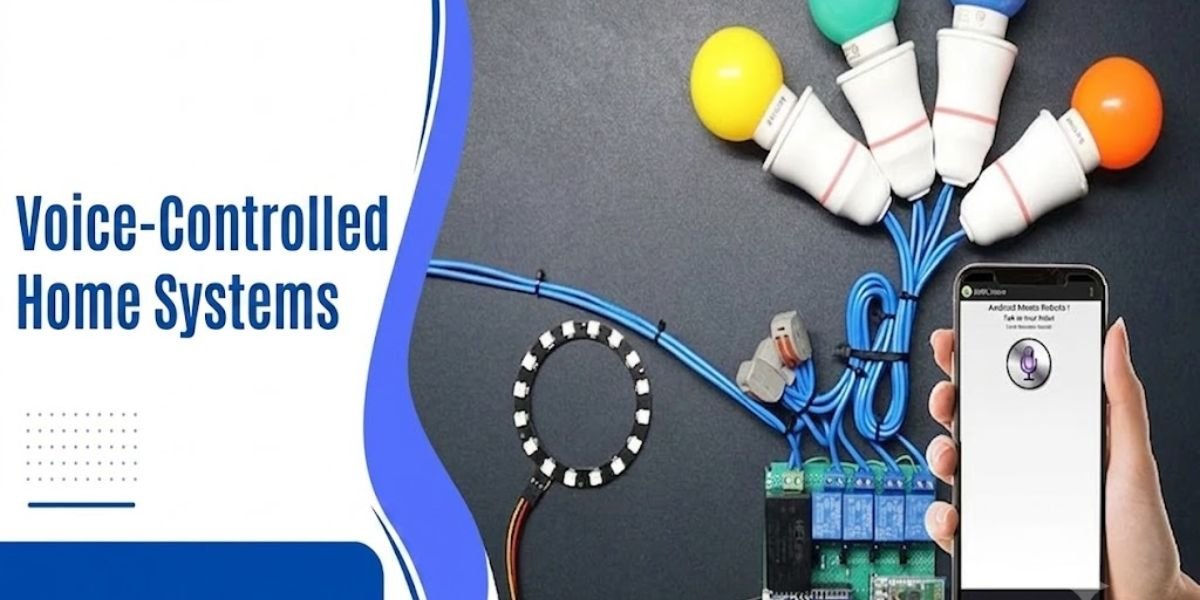
Voice-controlled home systems have successfully transitioned from an experimental novelty into the core control layer of the modern residence. In the current 2026 smart home ecosystem, your voice serves as a central hub for orchestrating lighting, security, climate, and connected appliances. The true utility of these systems lies not in the speech recognition itself, but in how seamlessly your voice assistant coordinates a diverse network of devices to anticipate your daily needs.
The integration of advanced Artificial Intelligence has fundamentally altered your interaction model. Modern homes now treat voice as a control plane, enabling you to move beyond simple “on and off” commands toward complex, multi-device orchestrations. This evolution is driven by the industry-wide shift toward local processing and standardized communication protocols, ensuring your home remains responsive and reliable even when your internet connection is intermittent.
What Is a Voice-Controlled Home?
A voice-controlled home is a residential environment where your connected devices are managed primarily through spoken, natural language commands. Rather than relying on a wall of physical switches or juggling individual mobile apps for every interaction, you use a centralized voice interface to trigger sophisticated actions throughout your living space.
This setup functions as a powerful abstraction layer across your entire IoT hardware collection. By speaking to a smart speaker or display, you can command complex series of actions that would otherwise require significant manual effort.
For instance, a single spoken phrase can simultaneously perform the following:
- Adjusting multiple light fixtures to your preferred evening scene.
- Setting your HVAC system to your ideal comfort temperature.
- Securing the perimeter by engaging smart deadbolts.
- Initiating a specific audio playback sequence in your preferred rooms.
Core Components of a Voice-Controlled Smart Home
A functional voice-controlled home is built on four interdependent technical layers. The stability of your entire system relies on how these layers interact with one another to ensure command execution is both instantaneous and accurate.
1. The Voice Assistant Layer
This is the interface that interprets your speech. In 2026, the top ecosystems include:
- Amazon Alexa: The industry leader for third-party hardware support and the most robust automation engine available.
- Google Assistant / Gemini: Preferred if you value contextual intelligence and advanced natural language processing.
- Apple Siri: The optimal choice if you are deeply invested in the Apple HomeKit framework and prioritize user privacy and localized performance.
2. The Smart Home Hub or Platform Layer
This is the coordinator that ensures different brands and protocols can talk to each other. The rise of the Matter 1.6 standard as of June 2026 has effectively eliminated the fragmentation that used to plague smart homes, allowing devices to operate across multiple ecosystems simultaneously using Joint Fabric technology.
3. The Connected Devices Layer (IoT)
These are the physical endpoints located throughout your house. They range from smart bulbs and wall switches to advanced security cameras, motorized window treatments, and high-efficiency smart appliances. Each device reports its status back to your hub, ensuring that when you issue a command, it is based on the current reality of your home.
4. The Network Infrastructure Layer
A reliable, high-speed network is the backbone of your voice control. Modern systems now leverage Wi-Fi 6E or Thread protocols to maintain minimal latency. Without a stable network, your commands experience frustrating delays, or devices may fail to respond entirely.
How Voice-Controlled Home Systems Work
Voice control follows a precise technical path from the moment you speak until the device responds to your request.
Step 1: Voice Capture. Your smart system uses high-fidelity microphone arrays to constantly listen for your specific wake word, such as Alexa, Hey Google, or Hey Siri.
Step 2: Intelligent Processing. The audio is analyzed immediately. In 2026, there is a massive shift toward on-device AI processing, which allows your commands to be interpreted locally without needing to send every snippet of audio to the cloud. This significantly improves your response speed and protects your privacy.
Step 3: Intent Mapping. Your system translates your natural language into a structured request. Using advanced Large Language Models (LLMs), it interprets the intent behind phrases like “I am heading to bed” and maps it to a sequence of pre-programmed actions.
Step 4: Device Execution. The platform sends the instruction to the specific IoT device via an API call or a low-power communication protocol like Thread or Zigbee.
Step 5: Feedback You receive immediate confirmation, either through a subtle audio response or a visual indicator on a smart display, ensuring you know your home has followed your instruction.
Automation Logic: Making Your Home Work for You
Modern voice-controlled homes move far beyond individual commands by utilizing automation rules. These are logical triggers that allow your home to respond to your environment or schedule autonomously.
Consider these logic-based automations you can implement today:
- If motion is detected in a hallway after midnight, your system gradually brightens the lights to a low intensity to guide your path.
- If the indoor temperature exceeds a specific threshold, your HVAC system automatically activates cooling mode before you even feel the heat.
- If your front door lock is engaged after a set time, all remaining lights in your home switch off to save energy.
These automations drastically reduce the need for constant voice input. Instead of manually interacting with every device, your system observes your patterns and state changes to adjust the environment without you needing to say a single word.
Key Use Cases in Modern Homes
Voice-controlled systems have evolved well beyond simple toggles for lights and music. In the current 2026 landscape, they serve as the primary interface for complex, multi-device automation workflows that impact almost every aspect of your daily life.
Lighting Automation
You can now use voice commands to trigger specific environmental states rather than just switching individual bulbs. Systems support sophisticated scene activation, such as “movie mode,” which dims lights to a specific percentage, shifts color temperatures to warmer tones, and automatically closes your motorized shades. Adaptive lighting, which tracks the sun’s cycle, is also easily toggled via voice to support your circadian health.
Climate Control
Voice interaction with smart thermostats is common for immediate comfort adjustments. More advanced routines allow for room-by-room temperature management, where you can simply say “it is too cold in here” to influence only the zone you are currently occupying. These systems often integrate with energy-saving logic, automatically suggesting adjustments based on your presence and time-of-day utility rates.
Home Security
Voice integration has become a vital component of your perimeter and internal security. You can issue voice commands to lock your deadbolts, arm your alarm systems, or view live video feeds on your smart displays. In many cases, your voice-controlled home can be programmed to trigger specific security responses, such as flashing exterior lights or sounding sirens, if a sensor detects an unauthorized entry while your system is in “away mode.”
Entertainment Systems
Voice control for media is highly mature. Beyond basic volume and track selection, you manage multi-room audio zones, directing music or news to specific speakers throughout your house. Integration with streaming platforms allows for seamless handoffs of media content between your smart displays and home theater systems using natural language cues.
Daily Routine Automation
The true power of voice-controlled systems in 2026 is the automation of your repetitive daily transitions. Routine triggers like “start morning” or “I am leaving” initiate long strings of events. A single command can disable your alarms, adjust the thermostat, check the security status of your windows, and initiate weather and traffic briefings, all while ensuring your home remains secure.
Device Compatibility and Ecosystem Integration
Interoperability remains a central concern, though the landscape has improved drastically in the last year. Historically, the smart home market was fragmented into silos controlled by major technology companies, making it difficult to mix and match brands.
The widespread adoption of the Matter protocol, which reached version 1.6 by June 2026, has shifted this dynamic. Matter allows your devices to operate across different platforms, such as Amazon Alexa, Google Home, and Apple HomeKit, using a unified language. This means you are no longer strictly bound to one brand’s hardware. You can combine sensors, lights, and switches from various manufacturers while maintaining a cohesive and responsive experience.
Privacy and Security Considerations
Continuous voice-listening features create unique challenges for residential security. In 2026, the industry standard focuses on transparency and your control rather than passive data collection.
Key practices for maintaining your security include:
- Encryption: You should use WPA3 encryption protocols for all wireless devices to prevent unauthorized network access.
- Two-Factor Authentication (2FA): This is mandatory for all accounts linked to your smart home hub to protect against credential stuffing attacks.
- Microphone Management: Almost all modern smart speakers now include physical hardware switches that electronically disconnect the microphone, providing a mechanical guarantee of privacy when you desire it.
- Guest Network Isolation: It is best practice to move all your IoT devices onto a separate guest network, ensuring that a compromised light bulb or sensor cannot be used as a bridge to reach your personal computers or network-attached storage.
Performance Challenges
Despite high levels of maturity, these systems are not immune to technical hurdles.
- Latency: While more processing is happening on-device, some complex cloud-based AI requests can still experience millisecond delays that feel unnatural.
- Environmental Noise: High-quality microphone arrays generally handle background noise well, but loud social gatherings or nearby heavy appliances can still occasionally lead to misinterpretations.
- Fragmented Features: Even with protocols like Matter, some advanced features—such as deep hardware diagnostics—may remain proprietary to the original manufacturer’s app.
- Connectivity Outages: Homes that rely too heavily on cloud connectivity for basic functions suffer during ISP outages. The industry is currently moving toward “local-first” architectures to ensure that your house remains functional even if your internet goes down.
The Future of Your Voice-Controlled Home
The trajectory of smart home technology is moving toward systems that require less direct input from you.
- On-Device AI: The reliance on cloud servers for every command is diminishing. Future voice systems will process even complex logic locally, which increases speed and removes the data privacy concerns associated with sending voice clips to the cloud.
- Context-Aware Intelligence: Rather than waiting for a specific wake word, future systems will use advanced presence detection and historical data to anticipate your needs. If you walk into the kitchen every morning at 7:00 AM, the lights and coffee maker may prepare themselves without any instruction.
- Ambient Automation: The ultimate goal of a voice-controlled home is for the assistant to fade into the background. Technology is becoming a utility, like electricity or running water, that works invisibly to support your lifestyle.
- Unified Standards: The continued maturation of Matter and its successors will eventually render the distinction between brands irrelevant, allowing you to focus purely on the capabilities of the hardware rather than the compatibility of the software.
Summary
Building a voice-controlled home is a process of incremental improvement rather than a single event. You do not need to replace every light switch or appliance overnight to experience the benefits of modern automation.
Start by selecting a primary ecosystem that aligns with your existing technology. For example, you might choose Apple HomeKit if you primarily use an iPhone or select Amazon Alexa for its expansive compatibility with affordable smart plugs and light bulbs. Once you have a hub in place, you should identify the specific pain points in your daily routine. Perhaps you dislike fumbling for light switches in the dark, or you constantly worry about whether you remembered to lock the front door. Address those specific areas first.
The true value of this technology is how it adapts to you instead of the other way around. As you integrate more devices, focus on creating robust routines that minimize the number of commands you need to speak. Your goal is to transform your living space into an environment that is responsive, secure, and increasingly autonomous.
By prioritizing devices that support local control and ensuring your network is optimized with high-performance hardware, you are setting the foundation for a home that will continue to get smarter as new AI updates and additional hardware enter the market. The technology for a fully responsive voice-enabled residence is ready for you today. The next step is simply choosing which part of your home you want to make more efficient first.