When you step onto a piece of land, you’re looking at a living puzzle. Most people treat landscaping ideas like a furniture shopping trip, they pick a sofa shrub and a coffee table boulder, drop them on the grass, and wonder why the yard feels like a waiting room.
Real gardening isn’t about decorating; it’s about managing an ecosystem. If you don’t respect the drainage, the sun’s arc, and the local wind patterns, nature will eventually reclaim your budget with a vengeance.
A truly successful yard doesn’t just look good in a static photo, it breathes. We’re seeing a massive pivot away from the high-maintenance turf-as-default mindset.
People are exhausted by the Saturday morning mower ritual. They want spaces that offer a sensory return—the smell of crushed herbs, the rustle of dry grasses in November, and the cooling effect of a well-placed canopy.
How to Choose the Right Landscaping Project for Your Yard
Before you grab a shovel, you need to play the role of a site analyst. I’ve seen homeowners spend thousands on Full Sun perennials only to realize their neighbor’s chimney casts a six-hour shadow right over the bed. You have to be a detective. Spend a weekend watching how the shadows move across your property.
Soil is your hidden engine. If you have heavy clay, your landscaping projects should either lean into moisture-loving plants or you need to commit to building raised beds.
“The glory of gardening: hands in the dirt, head in the sun, heart with nature.” — Alfred Austin
Front Yard Landscaping Ideas
Your front yard is your home’s handshake to the neighborhood. In 2026, the goal is Quiet Luxury, using high-quality materials and structured greenery that feels settled, not forced.
1. Natural Stone Pathway Garden Entrance
A stone path slows down the world. I always recommend irregular flagstones with creeping thyme tucked into the gaps. It creates a soft, organic look that concrete simply cannot mimic.
When guests walk over it, the thyme releases a subtle, herbal scent. It’s a small detail, but it changes the entire vibe of the walk to the front door, making it feel like a journey rather than a chore.
2. Flower Border Along a Front Yard Walkway
Don’t just plant a single, thin line of flowers. It looks accidental. Instead, use Drift Planting. This involves grouping five to seven of the same species in a flowing, wave-like shape.
This mimics how plants grow in the wild and creates a bold splash of color that people can actually see from the street. Layering from shortest in the front to tallest in the back ensures every plant gets its moment.
3. Decorative Entryway Container Garden
Pots are the easiest way to refresh a porch without a major dig. My advice? Go big—at least 20 inches in diameter. Small pots dry out too fast in the summer heat.
Use the Thriller, Filler, Spiller method: a tall architectural plant (the Thriller), bushy mid-height flowers (the Filler), and something trailing like sweet potato vine (the Spiller).
This creates a professional, tiered look that holds its own.
4. Native Plant Front Yard Landscape
In the gardening world, native plants are the gold standard for front yard ideas. These species have spent thousands of years adapting to your specific local bugs and weather. They don’t need fancy fertilizers or constant watering once they are established.
A native oak tree or a patch of milkweed does more for the environment than a thousand imported rose bushes ever could.
5. Minimalist Gravel Front Yard Landscape
Gravel doesn’t have to look like a parking lot. Warm-toned Pea Gravel or Decomposed Granite looks incredibly sophisticated when paired with large boulders or architectural plants like Agaves.
To do this right, you must use a professional-grade landscape fabric underneath. It’s a clean, modern aesthetic that stays neat regardless of the season and is perfect for dry spots under eaves.
6. Evergreen Shrub Layer Landscaping
Evergreens are the “bones” of your garden. Without them, your yard looks like a graveyard in January. I like mixing the deep emerald of Boxwoods with the silvery-blue of Junipers to create a color palette that doesn’t rely on flowers.
They provide year-round privacy and a consistent backdrop for your summer perennials, hiding unsightly foundations or muffling street noise.
7. Raised Garden Beds for Front Yard Landscaping
Raised beds bring instant structure to a yard that feels too wild. Corten steel is a massive trend right now because it develops a beautiful rusted orange patina that looks amazing against the deep greens of ornamental kale. They also prevent your soil from becoming compacted by foot traffic and allow you to control the soil quality perfectly.
Backyard Landscape Ideas
Your backyard is your private sanctuary. The best backyard landscape ideas treat the space like a series of “outdoor rooms” with different purposes.
8. Backyard Patio With Surrounding Garden Beds
A patio should feel like it’s tucked into the garden, not sitting on top of it. Surround the stone edges with tall, airy ornamental grasses like Little Bluestem.
These act as a soft, living screen, providing a sense of enclosure and privacy without the claustrophobic feel of a wooden fence. The rustling sound they make in the wind is incredibly peaceful.
9. Pergola Garden With Climbing Plants
A pergola is essentially a living ceiling. If you grow climbing vines like Clematis or Honeysuckle over it, you create a cool, fragrant spot for lunch. The greenery provides “filtered shade,” which feels much cooler and more natural than a solid umbrella.
Over time, the vines will thicken, creating a dense canopy that protects your patio from the direct sun.
10. Backyard Fire Pit Landscape Design
A fire pit is the ultimate social anchor. I suggest surrounding the pit area with a wide gravel ring. It’s much safer for stray sparks than a wood deck and provides a level surface for heavy Adirondack chairs. It creates a dedicated destination in the yard that draws people away from the house and into the landscape for late-night conversations.
11. Stepping Stone Path Through Lawn
If you have a path where the dog or kids have worn the grass down to dirt, stop fighting it. Lay down some heavy, natural stepping stones spaced about 24 inches apart to match a natural stride.
You can plant low-growing moss between the stones to soften the look. It makes a functional necessity feel like a deliberate, charming design choice.
12. Backyard Pond or Small Water Feature
The sound of water is the best way to block out neighborhood noise. You don’t need a huge lake; even a small “disappearing” fountain can mask the sound of a neighbor’s AC unit.
Water features also bring your garden to life by attracting local birds and dragonflies. If you use a recirculating pump, maintenance is surprisingly low.
13. Vertical Garden Wall for Small Backyards
When you run out of floor space, grow up. A vertical wall with pocket planters is a lifesaver for small urban lots. It allows you to have a massive herb garden right off your kitchen door without sacrificing an inch of patio space.
Plant Mediterranean herbs like Rosemary at the top (where it’s drier) and thirstier plants like Mint at the bottom.
14. Backyard Vegetable and Flower Mixed Garden
I love Foodscaping, mixing your veggies in with your flowers. Plant purple kale next to your Zinnias. The flowers attract the pollinators your vegetables need, and the whole thing looks like a professional landscape rather than a messy farm plot. It’s a highly efficient way to use your space and makes harvesting dinner feel like a walk through a botanical garden.
DIY Landscaping Ideas
You don’t need a professional crew for every project. These diy landscaping ideas are perfect for a productive weekend.
15. DIY Gravel Garden Path Project
Gravel is incredibly forgiving. Just dig a shallow trench, level the dirt, and pour the stone. I recommend using “crushed” gravel rather than smooth river stones for paths; the jagged edges lock together so you won’t “sink” when you walk on them. It’s an instant upgrade for a messy side yard or a path to the compost bin.
16. Wooden Raised Bed Vegetable Garden
Building a simple 4×8-foot bed is a rite of passage. Use Cedar or Redwood; they naturally resist rot for a decade without needing any chemical treatments. Avoid old pressure-treated wood that might leach into your food. A raised bed lets you start with perfect soil from day one, which almost guarantees a better harvest.
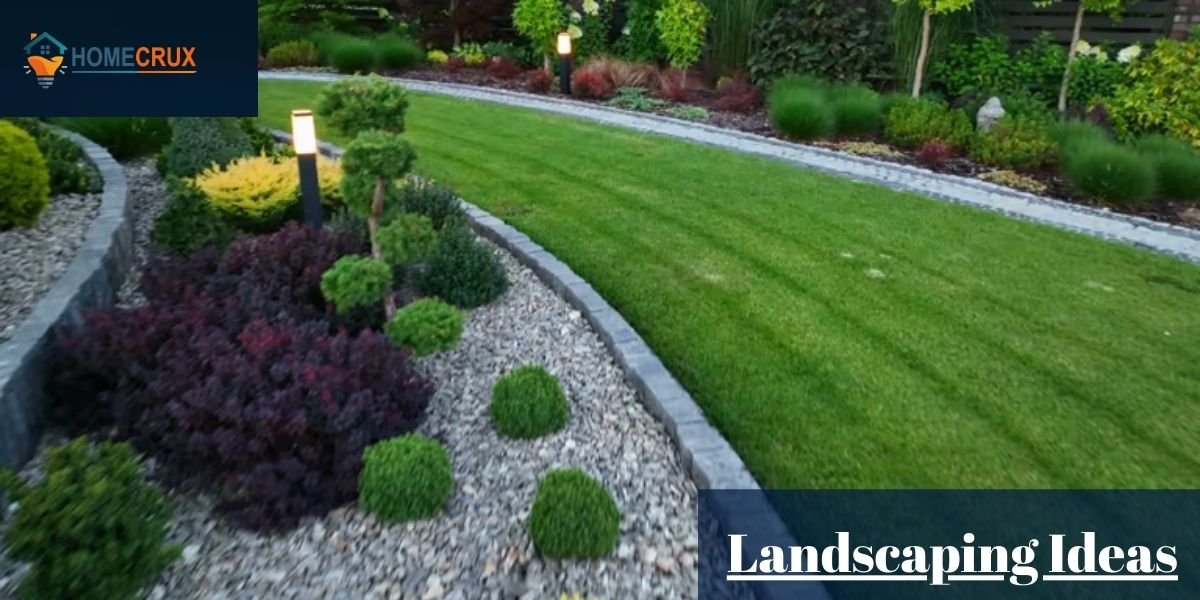
17. DIY Garden Lighting Along Walkways
Modern solar LEDs have changed the game—no more digging deep trenches for wires. For a pro look, place your lights about six feet apart and alternate sides of the path to avoid the “airport runway” look. Low-voltage lighting highlights the textures of your plants long after the sun goes down and makes the walk feel safer.
18. Natural Stone Garden Edging Project
A crisp edge separates a pro yard from a messy one. Bury flat stones or bricks halfway into the dirt along your flower beds. This creates a mower strip, allowing you to run the lawnmower wheel right over the stones. It eliminates the need to use a string trimmer and keeps mulch from spilling onto the grass.
19. Wooden Trellis for Climbing Plants
You can build a trellis out of scrap wood, bamboo, or even cattle panels. I like to give mine a dark coat of charcoal or black paint. This makes the green vines stand out vividly and gives the structure a modern, high-end look for very little money. It’s perfect for climbing roses or vertical cucumbers.
Low Maintenance Landscaping Ideas
If you have a busy 9-to-5, low maintenance landscaping is about working with the environment rather than against it.
20. Xeriscape Garden With Drought-Tolerant Plants
Xeriscaping is about using “Water-Wise” plants like Lavender and Russian Sage. Once established, they survive on natural rainfall alone. This is a massive relief during a dry July when your neighbors are struggling with high water bills. It creates a lush look that is remarkably resilient to summer heatwaves.
21. Ground Cover Garden Instead of Lawn
Mowing is a chore that never ends. Replacing parts of your lawn with creeping ground covers like Sedum or Clover is a genius move. They stay green, don’t need much water, and never need to be mowed. They are especially helpful for sloped areas where pushing a heavy mower is difficult or dangerous.
22. Mulch Garden Beds for Weed Control
Mulch is your best friend. It keeps the soil cool and stops weed seeds from germinating. I prefer shredded hardwood mulch because the fibers lock together and won’t wash away in a heavy rainstorm.
A thick 3-inch layer can reduce your weeding time by as much as 90%.
23. Native Shrub Border Garden
Native shrubs like Oakleaf Hydrangea give you white flowers in the summer and brilliant red leaves in the fall. They are tough as nails and rarely need pruning if you give them space. Unlike exotic shrubs, they are already part of the ecosystem and require very little intervention.
24. Pollinator Garden for Bees and Butterflies
A healthy garden should be buzzing. By planting perennials like Coneflowers and Bee Balm that bloom from spring through fall, you provide a constant food source for local pollinators. These plants come back every year, getting bigger and better without you having to lift a finger.
25. Simple Relaxation Garden With Hammock
Sometimes the best project is just a place to sit. Hang a hammock between two sturdy trees and surround the area with aromatic plants like Lavender and Rosemary. When you brush against them, they release natural oils that smell incredible—your own personal retreat for an afternoon nap.
Summary
Successful landscaping isn’t a sprint. Whether you’re experimenting with front yard landscaping ideas to boost curb appeal or building a simple backyard landscaping retreat, the goal is to create a space that feels right for you. Start small, learn your soil, and let your garden grow alongside you.
Frequently Asked Questions About Landscaping Ideas
What are the easiest landscaping ideas for beginners?
Start with mulch and a clean edge. Digging a sharp line between your grass and your beds is the fastest way to make a yard look professional. It costs almost nothing but a few hours of work and provides instant curb appeal.
How can I landscape my yard on a small budget?
Buy smaller plants. A “1-gallon” shrub is much cheaper than a “5-gallon” one. They will usually catch up in size within two seasons anyway. Also, look for free wood chips from local arborists to use as mulch for your landscaping projects.
What are the best low maintenance landscaping ideas?
The less grass you have to mow, the better. Replace underused lawn areas with native shrubs or gravel paths. It cuts down on watering, fertilizing, and mowing time instantly, giving you your weekends back.
How do I design a front yard landscape that looks professional?
Use repetition. Pick three or four plant species and repeat them throughout your beds. This creates a cohesive, “curated” look rather than a random collection of plants. It makes the design feel intentional and high-end.
What plants work best for backyard landscaping?
For privacy, you can’t beat ‘Green Giant’ Arborvitae. For color and toughness, I always recommend Coneflowers and Black-eyed Susans. They are incredibly hardy and will keep blooming for months with very little help.
How can I improve curb appeal with simple landscaping?
Focus on lighting and a clean walkway. Even if your plants are still small, a well-lit stone path makes the house look expensive and well-cared-for the moment the sun goes down. It is a high-impact upgrade for a low cost.