A full interior refresh by a contractor, meaning new drywall, primer, paint, and trim, runs roughly $1,500 to $4,500 for a standard room. Wall surface updates skip most of that, with no tear-outs or custom millwork.
Covering an existing wall with a modern material changes how light hits the surface, hides damage, and adds texture for far less than construction pricing. The right choice comes down to matching the material against your wall’s condition, the prep it needs, and the moisture in the space.
Every cost in this guide is a DIY material price per square foot, not an installed price. Hiring a carpenter adds $3 to $10 per square foot, which is why professionally installed wainscoting often lands at $10 to $40 per square foot all in.
The fifteen options below cover cost figures, installation realities, and long-term performance so you can pick the best fit.
How to Choose a Wall Covering That Fits Your Budget and Your Space
Calculating real value requires looking past the shelf price of a material. True expense includes surface preparation tools, fasteners, adhesives, and potential replacement cycles.
These key factors dictate total project expense and performance:
- Material cost: The baseline price per square foot ranges from $0.50 for specialty paints up to $12.00 for solid reclaimed timber.
- Installation requirements: DIY friendly materials require basic hand tools, while heavy rigid panels require miter saws, pneumatic brad nailers, and construction adhesive.
- Wall condition: Smooth sheets demand pristine plaster underneath, whereas dimensional battens and thick panels hide severe drywall bowing.
- Moisture exposure: High humidity spaces like full bathrooms require non-porous synthetics or sealed plastics to prevent warping and mold growth.
- Cleaning and maintenance: High traffic hallways require scrubbable, non-marking surfaces rather than delicate woven fabrics.
- Lifespan: Temporary adhesives last three to five years, while rigid wood or metal systems remain intact for decades.
- Rental restrictions: Non-permanent adhesives remove without tearing drywall paper, protecting security deposits.
Comparison of Affordable Wall Covering Materials
| Material | Average Cost per Sq. Ft. | DIY Difficulty | Durability | Moisture Resistance | Best Room | Rental Friendly |
| Peel-and-Stick Wallpaper | $1.00 – $3.50 | Low | Moderate | Low to Medium | Bedroom, Office | Yes |
| MDF Wall Panels | $1.50 – $4.00 | Moderate | High | Low | Living Room, Dining | No |
| Beadboard | $2.00 – $4.50 | Moderate | High | Moderate | Bathroom, Mudroom | No |
| Board and Batten | $1.25 – $3.50 | Moderate | Very High | Low to Moderate | Hallway, Bedroom | No |
| Faux Brick Panels | $2.50 – $6.00 | Low to Moderate | High | High | Accent Walls, Basement | No |
| Wood Slat Walls | $4.00 – $9.50 | Moderate | High | Low | Living Room, Office | No |
| Cork Wall Tiles | $2.00 – $5.00 | Low | Moderate | Low | Home Office | Yes |
| Fabric Wall Coverings | $1.50 – $4.50 | Low | Moderate | Low | Bedroom | Yes |
| Decorative Paint Finishes | $0.50 – $2.00 | Low to Moderate | High | Moderate to High | Any Room | Yes |
| PVC Wall Panels | $1.75 – $4.00 | Low | High | Excellent | Bathroom, Kitchen | Partial |
| Vinyl Wall Panels | $2.00 – $5.00 | Low | High | High | Laundry, Kitchen | Yes |
| Reclaimed Wood | $4.50 – $11.00 | Moderate | High | Moderate | Feature Wall, Den | No |
| Corrugated Metal Panels | $2.00 – $4.50 | Moderate | Exceptional | High | Basement, Workshop | No |
| Decorative Wall Tiles | $2.50 – $7.00 | Low | High | Excellent | Kitchen Backsplash | Yes |
| Wall Decals & Murals | $1.20 – $3.00 | Low | Moderate | Low | Kids Room, Nursery | Yes |
1. Peel-and-Stick Wallpaper
Peel-and-stick wallpaper is a self-adhesive vinyl or woven poly fabric material designed for quick surface upgrades.
Average Cost
Standard rolls run $1.00 to $3.50 per square foot, and premium textured nonwoven options reach $5.00 to $7.00. Budget rolls drop to about $0.55 per square foot, though thin films at that price wrinkle and tear.
Where It Works Best
This material excels in low-moisture environments such as bedrooms, nursery spaces, home offices, and rental dining areas.
Advantages
Self-adhesive backings eliminate liquid pastes, tray setups, and extended drying times. Quality versions pull away cleanly without removing wall paint underneath.
Limitations
Steam and ambient humidity cause edge curling over time. The material telegraphs every underlying wall bump, nail pop, and rough patch.
Installation Tips
Clean surfaces using isopropyl alcohol to remove oil. Use a hard felt squeegee during application to push air pockets out toward seam margins.
2. MDF Wall Panels
Medium-density fiberboard panels offer uniform density, zero grain knots, and flat surfaces ideal for painted architectural wall treatments.
Average Cost
Raw MDF sheets and pre-milled panels cost roughly $1.50 to $4.00 per square foot depending on thickness.
Where It Works Best
Living rooms, dining halls, primary bedrooms, and formal entryways benefit from the structured look of engineered panels.
Advantages
MDF cuts cleanly with standard carbide-tipped saw blades and does not split during edge nailing. It accepts latex primers and paints smoothly.
Limitations
Unsealed MDF absorbs ambient moisture rapidly, swelling along cut edges. It requires sealing on all sides prior to installation near wet zones.
Installation Tips
Leave a 1/16 inch expansion gap between panel joins. Prime all exposed edges with an oil-based shellac sealer before applying topcoat latex paint.
3. Beadboard
Beadboard features vertical planks or wide sheet goods with distinctive narrow ridges called beads placed between flat routing lines.
Average Cost
Sheet beadboard made from composite timber costs $2.00 to $3.50 per square foot, while solid pine planking runs $4.00 to $6.00.
Where It Works Best
Traditional bathrooms, mudrooms, hallways, and kitchen breakfast nooks handle beadboard wainscoting exceptionally well.
Advantages
Vertical bead lines draw the eye upward, raising the perceived ceiling height. Thick sheets protect lower wall drywall from furniture scuffs and footwear impacts.
Limitations
Dust accumulates inside the routed vertical grooves, requiring regular vacuuming or damp cloth wiping to keep clean.
Installation Tips
Apply panel adhesive in a zig-zag pattern on the rear side. Secure along top cap rails using 1.5-inch brad nails angled directly into wall studs.
4. Board and Batten
Board and batten utilizes wide vertical panels or bare drywall spaced apart with narrow wood strips covering seam joints.
Average Cost
Material costs run from $1.25 to $3.50 per square foot when using simple MDF or white pine battens over existing smooth drywall.
Where It Works Best
Tall staircases, master bedrooms, dining rooms, and entryway hallways match board and batten layouts nicely.
Advantages
This style delivers custom architectural framing without buying expensive solid wood sheets. You can adjust grid dimensions to fit wall spans.
Limitations
Requires precise caulking along all vertical and horizontal seam lines to avoid visible gaps after applying your final paint coat.
Installation Tips
Locate wall studs before setting vertical battens. Use a laser level to keep top horizontal runner boards straight across long room spans.
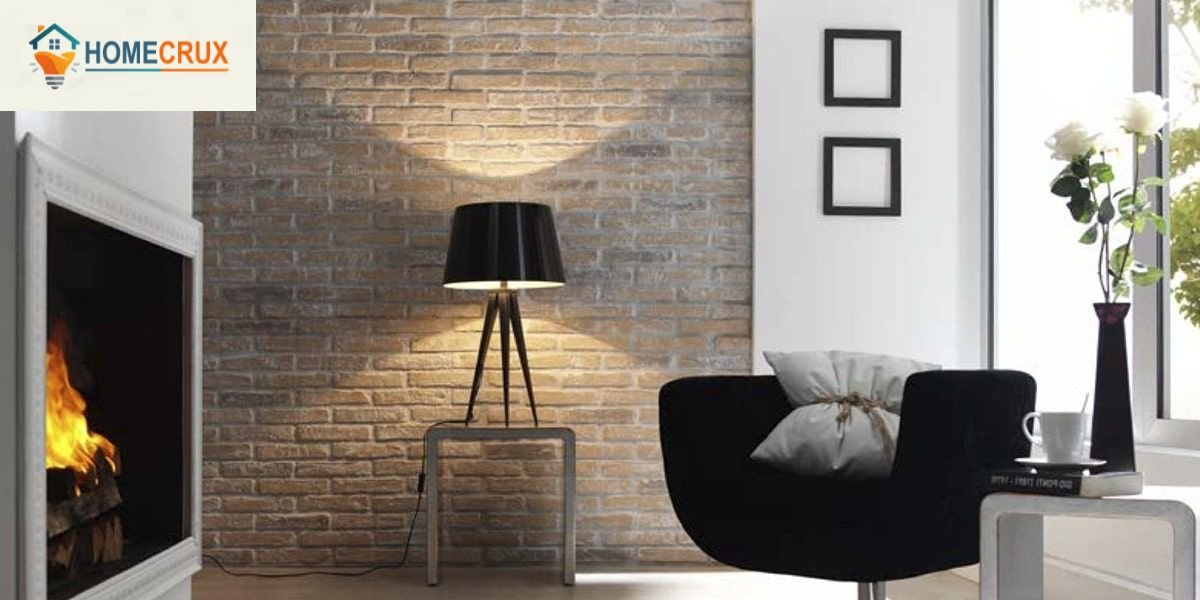
5. Faux Brick Panels
High-density polyurethane or molded composite panels replicate classic masonry brickwork without heavy mortar foundations.
Average Cost
Quality high-density panels range between $2.50 and $6.00 per square foot.
Where It Works Best
Basements, fireplace surround accents, living room focal walls, and industrial-style dining spaces perform best with faux brick.
Advantages
Panels weigh under 1 pound per square foot, making installation possible on standard drywall without structural wall reinforcement.
Limitations
Inexpensive vacuum-formed plastic versions look artificial up close and crack easily if hit by heavy furniture pieces.
Installation Tips
Stagger panel end seams across adjacent rows in a running bond layout. Fill corner fastener holes with color-matched textured acrylic caulk.
6. Wood Slat Walls
Wood slat walls use parallel narrow timber strips mounted over dark acoustic felt backing to create dimensional shadow lines.
Average Cost
Pre-assembled acoustic wood slat panels cost between $4.00 and $9.50 per square foot. DIY lumber builds run around $2.50 per square foot.
Where It Works Best
TV media walls, bed headboard backdrop zones, home offices, and modern hallway corridors work well with slat layouts.
Advantages
The combination of sound-dampening felt backing and timber slats reduces room echo while adding natural warmth.
Limitations
Dust settles across top edges of horizontal slats or inside deep vertical channels, requiring vacuum brush attachments for maintenance.
Installation Tips
Mount black acoustic panels directly to wall studs using black drywall screws. Ensure seam overlaps join flush to maintain continuous slat spacing.
7. Cork Wall Tiles
Cork wall coverings consist of compressed natural tree bark cut into modular square or rectangular stick-on tiles.
Average Cost
Standard density cork tiles run from $2.00 to $5.00 per square foot.
Where It Works Best
Home offices, study areas, children’s study corners, and noise-prone hallway areas gain utility from cork surfaces.
Advantages
Cork offers natural acoustic insulation, thermal mass properties, and a functional pin board surface for documents and art.
Limitations
Natural cork fades when exposed to direct sunlight over prolonged periods and can dry out if room humidity drops severely.
Installation Tips
Acclimate tiles inside the installation space for 48 hours before applying. Use a water-based contact adhesive for high-damp zones.
8. Fabric Wall Coverings
Fabric wall coverings use natural linen, canvas, or synthetic textiles stretched over thin foam backing or adhered directly to walls.
Average Cost
Prices range between $1.50 and $4.50 per square foot depending on textile weight and quality.
Where It Works Best
Bedrooms, formal dining rooms, and home theater spaces benefit from soft fabric treatments.
Advantages
Soft textiles soften ambient room sound, obscure minor plaster cracks, and add high-end tactile richness.
Limitations
Fabrics absorb cooking grease and pet odors easily, making them unsuitable for kitchen work zones or wet baths.
Installation Tips
Apply heavy-duty liquid starch or clear wall covering paste evenly. Smooth from the center outward using a soft plastic smoothing tool.
9. Decorative Paint Finishes
Decorative paint finishes manipulate standard latex paint, limewash plaster mixes, or glazes using specialized application methods.
Average Cost
Material costs remain extremely low at $0.50 to $2.00 per square foot.
Where It Works Best
Living room focal points, master suite walls, powder rooms, and open-concept spaces pair well with custom brush techniques.
- Limewash: Creates soft, chalky matte movement using slaked lime paint applied with cross-hatch brush strokes.
- Color washing: Uses thinned acrylic paint glaze over a solid base coat to yield subtle suede-like variation.
- Textured rollers: Apply raised rubber pattern designs directly over flat painted walls for a patterned wallpaper appearance.
- Faux plaster effects: Uses drywall joint compound applied with a trowel, sanded smooth, and painted to mimic real Venetian plaster.
10. PVC Wall Panels
Polyvinyl chloride panels are extruded plastic sheets designed for lightweight, completely waterproof wall coverage.
Average Cost
Standard interlocking PVC panels cost between $1.75 and $4.00 per square foot.
Where It Works Best
Walk-in shower surrounds, full bathrooms, basement utility spaces, and laundry rooms handle PVC panels easily.
Advantages
100% waterproof construction ensures zero rot, swelling, or mold absorption regardless of direct water exposure.
Limitations
Plastic surfaces can dent under sharp impacts and emit minor synthetic solvent odors immediately after unboxing.
Installation Tips
Use silicone sealant inside all tongue-and-groove interlocking channels to block water passage behind panel walls.
11. Vinyl Wall Panels
Vinyl wall panels combine tough commercial-grade sheet vinyl laminated onto thin composite or mineral cores.
Average Cost
Commercial and residential grades cost $2.00 to $5.00 per square foot.
Where It Works Best
High traffic hallways, children’s playrooms, mudrooms, and kitchen eating areas thrive with vinyl surfaces.
Advantages
Resists scuffs, food stains, and chemical cleaners. Wipes clean with mild dish soap and warm water.
Limitations
Can look industrial or institutional if paired with poor lighting or flat room trim.
Installation Tips
Ensure wall surfaces are free of oil. Use heavy vinyl adhesive applied with a 1/16 inch notched trowel for full glue transfer.
12. Reclaimed Wood
Reclaimed wood paneling uses salvaged barn timber, pallet boards, or snow fencing cut into uniform interlocking planks.
Average Cost
Authentic reclaimed wood costs $4.50 to $11.00 per square foot.
Where It Works Best
Rustic living room accent walls, fireplace backdrops, basement bars, and den spaces fit reclaimed lumber.
Advantages
Every plank features unique weathering, nail holes, and wood grain patinas that synthetic materials cannot duplicate.
Limitations
Planks vary in thickness, requiring careful sorting during layout. Raw wood edges catch cleaning dusting cloths.
Installation Tips
Paint the background drywall black before mounting planks so gaps between weathered boards remain invisible.
13. Corrugated Metal Panels
Galvanized or painted corrugated steel sheets offer industrial texture and extreme impact resistance.
Average Cost
Galvanized metal sheets cost between $2.00 and $4.50 per square foot.
Where It Works Best
Basement rec rooms, home workshops, garage conversion zones, and rustic accent features fit metal cladding.
Advantages
Fireproof, highly durable, and completely impervious to water damage, pests, and impact scuffs.
Limitations
Cut metal edges are sharp and require metal shears alongside protective gloves during installation handling.
Installation Tips
Pre-drill pilot holes along rib tops. Fasten using self-sealing metal roofing screws equipped with rubber neoprene washers.
14. Decorative Wall Tiles
Peel-and-stick, metal alloy, or lightweight ceramic tiles allow fast installation over existing smooth wall surfaces.
Average Cost
Budget stick-on and composite tiles cost $2.50 to $7.00 per square foot.
Where It Works Best
Kitchen backsplashes, powder room vanity splash zones, and small wet bar backdrops suit decorative tiles.
Advantages
Delivers the look of traditional ceramic or stone backsplashes without mixing heavy thinset mortar or applying grout lines.
Limitations
Adhesive backings degrade under high direct heat exposure right behind unshielded stove burners.
Installation Tips
Degrease wall surfaces thoroughly using trisodium phosphate cleaner before applying self-adhesive tiles.
15. Wall Decals and Oversized Murals
Large format printed fabric or vinyl graphics display high-resolution photos, custom artwork, or geometric patterns.
Average Cost
Complete mural kits cost between $1.20 and $3.00 per square foot.
Where It Works Best
Children’s bedrooms, nurseries, creative home offices, and apartment accent walls suit large murals.
Advantages
Covers wide wall areas quickly without repeat pattern seam alignment issues typical of standard roll wallpapers.
Limitations
Requires two people during installation to keep large panels aligned and prevent sticky backing sides from adhering together.
Installation Tips
Number panels on the back before hanging. Allow a 1/2 inch panel overlap along seams for perfect graphic registration.
Matching Wall Coverings to Different Rooms
Selecting wall materials requires matching structural properties against specific room environmental factors.
Different spaces demand targeted performance:
Living Room
Focus on visual warmth, sound absorption, and focal interest. Wood slat walls, board and batten, or limewash finishes introduce depth without overwhelming common sitting spaces.
Bedroom
Prioritize soft textures and quiet acoustic profiles. Fabric wall coverings, cork tiles, and peel-and-stick murals create relaxing environments while serving as budget headboard backdrops.
Kitchen
Requires heat tolerance, grease resistance, and smooth scrubbable surfaces. PVC panels, vinyl coverings, and peel-and-stick backsplash tiles resist splatter stains and clean easily.
Bathroom
Demands moisture resistance and waterproof edge seams. PVC wall panels, vinyl sheets, and sealed beadboard wainscoting protect lower drywall from humidity warping.
Basement
Needs moisture-tolerant materials that resist ambient dampness. Faux brick panels, corrugated metal, and PVC materials handle concrete wall vapor exposure without degrading.
Home Office
Benefits from sound control and functional utility. Cork tiles reduce voice echo during video calls while serving as active pinboard work surfaces.
Entryway and Hallways
Demands scuff resistance against footwear, bags, and high-traffic movement. Board and batten, MDF panels, and commercial vinyl coverings shield walls from impact marks.
Wall Coverings That Do the Best Job of Concealing Imperfections
Using rigid or textured wall coverings saves hundreds of dollars in drywall sanding, taping, and joint compound skim-coating.
Target these solutions based on your specific wall flaws:
- Hairline cracks: Peel-and-stick wallpaper, fabric coverings, and limewash paint flex over small hairline plaster settling cracks without telegraphing seam lines.
- Uneven drywall: Thick board and batten grids bridge uneven wall framing, creating smooth visual planes over wavy studs.
- Old textured finishes: Rigid 3/16 inch MDF panels or beadboard sheets mount directly over aggressive popcorn or orange peel textures without scrape prep work.
- Nail holes: Faux brick panels and reclaimed wood planks mask clusters of old wall anchor holes and hollow wall toggle gouges completely.
- Minor water stains: Corrugated metal and non-porous PVC panels cover old dried water marks safely once active leaks are repaired.
- Patchwork repairs: High-texture wood slat walls draw focus away from uneven drywall patch jobs and joint compound tape lines.
Which Options Hold Up Best Over Time?
Long-term value depends on durability, maintenance ease, and simple spot replacement options.
- Highest durability: Corrugated metal and rigid PVC panels withstand heavy impacts, water exposure, and scrubbing without surface finish degradation.
- Lowest maintenance: Vinyl panels wipe clean with damp rags and standard spray cleaners, requiring no repainting or re-sealing cycles over time.
- Moisture resistance: PVC and decorative alloy wall tiles perform reliably in high steam zones without absorbing water or loosening adhesive bonds.
- Scratch resistance: Solid reclaimed wood and MDF panels coated with acrylic enamel paints resist pet claws, furniture bumps, and toy impacts.
- Easy replacement: Peel-and-stick wallpaper and modular cork tiles allow individual panels to peel off and section swap without damaging adjacent areas.
- Long-term value: Hardwood beadboard and board and batten add permanent structural character that enhances home resale appeal for decades.
Installation Challenges Worth Knowing Before You Start
Foreseeing installation hurdles prevents wasted materials and poor visual alignments.
Consider these common site challenges before starting work:
- Surface preparation: Glossy wall paint must be scuffed using 120-grit sandpaper or primed with high-tack adhesion primer so adhesives grip properly.
- Measuring accurately: Measure wall top, middle, and bottom spans independently. Rarely are interior residential walls perfectly square.
- Adhesive compatibility: Water-based panel glues fail over slick oil paints, while heavy solvent construction glues eat through cheap foam panel backings.
- Corners and outlets: Electrical box outlets need extension rings to bring switches flush with new 1/4 inch or 1/2 inch paneling.
- Pattern alignment: Repeating wallpaper patterns require adding a 10% to 15% waste factor to total square footage order calculations.
- Expansion gaps: Timber panels require 1/16 inch gaps along perimeter floorboards and side walls to accommodate seasonal expansion.
- Moisture issues: Trapping moisture behind impermeable plastics on damp exterior basement walls invites hidden mold growth. Remediate dampness first.
Our Picks for the Best Value in Every Category
Matching specific project goals to top-performing materials speeds up decision-making:
- Best Overall: Board and batten using MDF trim boards delivers dramatic architectural character for minimal material investment.
- Best Budget Choice: Decorative paint finishes like limewash or color washing transform walls for under $1.00 per square foot.
- Best for Renters: Peel-and-stick wallpaper offers damage-free removal and endless pattern choices without risking security deposits.
- Best DIY Weekend Project: Cork wall tiles install quickly with minimal tools, providing sound dampening and utility in hours.
- Best for Covering Damaged Walls: Beadboard sheets cover wavy drywall, popcorn textures, and old plaster cracks cleanly.
- Best Waterproof Option: PVC wall panels offer zero water absorption, making them the ultimate choice for wet bathroom zones.
- Best Low-Maintenance Choice: Commercial vinyl panels scrub clean easily and stand up to heavy daily family use.
- Best High-End Look for Less: Wood slat walls deliver luxury architectural acoustic styling at a fraction of custom carpentry pricing.
Frequently Asked Questions
What is the cheapest material to cover interior walls?
Specialty decorative paint finishes are the cheapest option, costing between $0.50 and $2.00 per square foot. For rigid panels, composite beadboard sheets and MDF trim strips offer the lowest material costs at $1.25 to $3.00 per square foot.
Is peel-and-stick wallpaper cheaper than painting?
Standard paint is cheaper per square foot than peel-and-stick wallpaper. Paint costs around $0.50 to $1.50 per square foot including primer, while decent peel-and-stick wallpaper costs $1.00 to $3.50 per square foot. Wallpaper saves money on labor if hiring painters or attempting complex multi-color wall patterns.
What wall covering lasts the longest?
Corrugated metal panels, solid reclaimed wood, and painted MDF board and batten last the longest, often remaining structurally intact for decades. Synthetic PVC wall panels also last indefinitely in wet environments without degrading.
Can wall panels be installed over damaged drywall?
Yes, rigid panels like 3/16 inch MDF, beadboard sheets, and faux brick panels can be installed directly over damaged drywall, small holes, hairline cracks, and rough textures without requiring full plaster repairs.
Which wall covering works best in bathrooms?
PVC wall panels and vinyl wall coverings work best in full bathrooms because they are non-porous and completely waterproof. Sealed beadboard wainscoting works well on lower walls outside of direct shower splash zones.
What is the easiest wall covering for beginners to install?
Wall decals, peel-and-stick wallpaper, and self-adhesive cork wall tiles are the easiest options for beginners. They require only a utility knife, measuring tape, and smoothing tool without need for power saws, nail guns, or wet glues.