Budget-friendly DIY home improvement is not about having a massive workshop. It is an expert-level skill set. You can use simple tools for smart planning.
These tools add creativity and transform your space without spending much. The basic toolkit with a few beginner-friendly projects can fix squeaky doors.
It can refresh tired walls while adding personality to every room. DIY home improvement is also a practical way to fight rising costs.
In this blog, we’ll cover the basic tools every beginner should own. This blog will help you to choose budget-friendly tools for simple projects with a big impact.
You’ll learn how to buy tools. You’ll also understand how to avoid mistakes that waste money.
Low-Cost Tools For Maximum Versatility
A complete set of cost-friendly tools helps you handle projects with a small starter kit. It saves you from buying separate tools for every task.
Simple items like a level, hammer, tape measure, and utility knife are common tools used in many ways. These tools are used for hanging shelves. You can do small repairs and assemble furniture.
- Choose hand tools that can be used in multiple rooms.
- Prefer manual versions of screwdriver sets first, before investing in power tools.
- Look for combo kits with value packs to save money.
- Store tools together in a toolbox so they are easy to grab for any project.
| 📍Pro Tip: If you’re unsure, you’ll use a specialty tool often. Borrow any tool first on rent before buying. |
Practical Diy Home Improvement Projects
Practical DIY projects are small with achievable upgrades. They improve daily comfort. You can start with things like painting and adding shelves. You can swap hardware without requiring advanced skills.
They are perfect for beginners because they use basic tools. Basic tools have clear steps and give instant visual results.
- Repaint a room for layered textures. You can simply paint an accent wall to freshen the whole space.
- Install simple wall shelves for extra storage.
- Replace outdated light fixtures or cabinet handles.
- Add organizers and racks for clear, uncluttered areas.
| 📍Pro Tip: Start with one room. So you don’t feel stressed and can actually finish what you begin. |
Start With A Practical Budget Plan
A practical budget plan keeps your DIY goals realistic. It breaks down costs into materials and “extras” like paint.
Planning helps you prioritize what matters most. It enables you to avoid impulse buys. In this phase, bigger projects are developed over time.
- List your top 2–3 projects with estimated materials for each.
- Decide what tools you truly need now. Also, make a list of things needed later.
- Add a small buffer for unexpected costs.
- Tackle lower-cost and high-impact projects to build confidence.
| 📍Pro Tip: Shop your home first. Reusing paint and screws available at home. The Leftover boards can shave a surprising amount off your budget. |
Cost-Friendly Diy Tools
Cost-friendly tools balance affordability with reliability so you aren’t constantly replacing broken items.
Many brands offer “value” lines that perform well for occasional home use.
- Look for basic tool sets. It includes a hammer, a screwdriver, a tape measure, and some other daily usage tools.
- Watch for sales at hardware stores. You can buy used items from trusted sources.
- Avoid cheap tools that bend easily.
- Prioritize comfort so you enjoy using them.
| 📍Pro Tip: Build your kit slowly. Buy what each new project requires instead of trying to get everything at once. |
Basic Tools For Beginners
Beginner basics cover different tools, including cutting, measuring, fastening, and level checking. All these are enough to handle most small jobs.
A simple set can support hanging art. You can use these to assemble furniture. You can do minor repairs. It also helps in starting decor projects.
- A basic toolkit includes a measuring tape, a hammer, and a few other essential items.
- Place all the equipment in a toolkit bag.
- Ensure you understand the safe usage of each tool before starting a project.
| 📍Pro Tip: Classify your tool sections by task. It will help you grab your tools easily. |
Worth The Investment With Affordable Power Tools
Affordable power tools save time. They also open up more advanced DIY projects without needing pro-grade gear.
Choose cost-friendly but well-reviewed models of the tools for long-term use. These tools are enough for home use.
- Start with a cordless drill. It is used for different purposes.
- You can hang, assemble, and install things using such tools.
- Add an orbital sander for smoothing surfaces before painting.
- Consider a compact circular saw to cut boards.
- Stick with one battery system. It will make it easy to share batteries with different tools.
| 📍Pro Tip: If you’re a beginner with all these tools, you can practice on scrap wood. It will build confidence before touching your walls or furniture. |
Set Up Safety Gear
Safety gear is a crucial part that is considered a must-have part of your tool kit. It shouldn’t be viewed as an option.
You need to protect your face, eyes, hands, and lungs, as this helps you work confidently. It also results in avoiding injuries.
- Use safety glasses whenever drilling.
- Wear work gloves, especially when handling rough metal.
- Keep a dust mask for sanding. Use a respirator during the usage of chemicals.
- Have a basic first-aid kit that is accessible in your work area.
| 📍Pro Tip: Make a rule. No power tool turns on until your safety gear is on. It will eventually become a good habit. |
High-Impact Diy Projects Under Budget
High-impact projects change how a space looks. It changes the functions without major construction.
They often rely on paint. You can make hardware swaps. It can add storage rather than structural work.
- Paint the walls with trim for a fresh look.
- Replace boring light fixtures with dimmers.
- Add floating shelves with simple storage.
- Refresh entryways with hooks.
- Install shoe racks and add new lighting.
| 📍Pro Tip: Focus first on visible areas like the entry. Make some changes in the living room. You can replace the crockery in the kitchen. All these changes will give the most “wow” for your effort. |
Make Upgrades With Paint
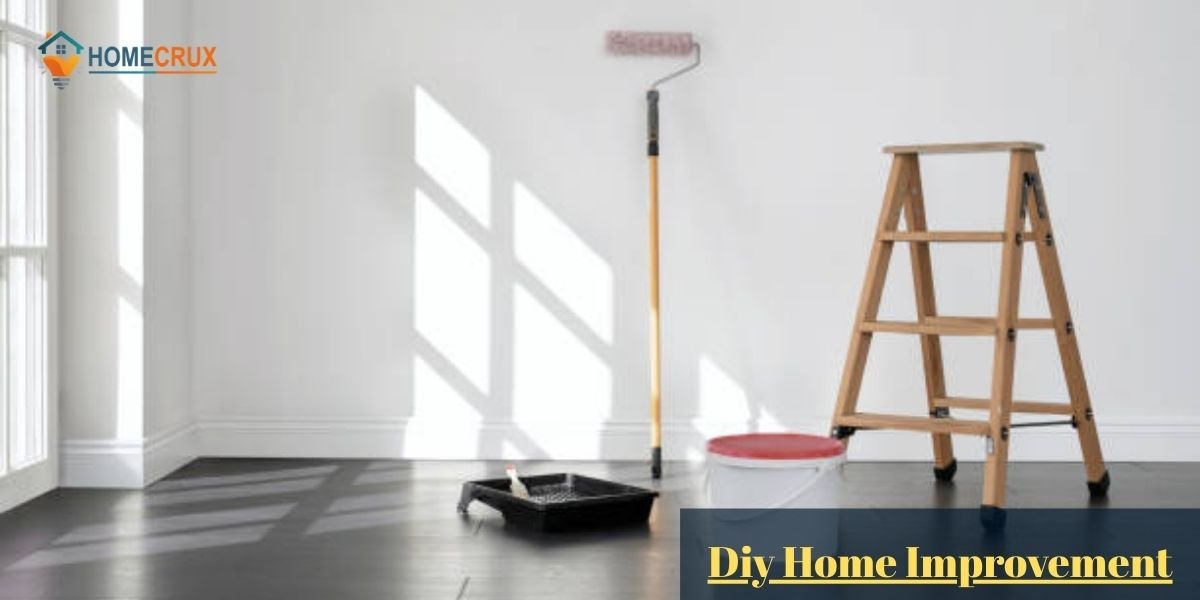
Paint is one of the easiest ways to transform walls. It can add a vibe to furniture and even floors. With the right tools, beginners can get professional results.
- Lightly sand surfaces before painting.
- Use painter’s tape for clean lines.
- Try accent walls with painted doors.
- You can add the same colors to your cabinets
- Choose neutral bases with color accents if you’re sure about choosing colors.
| 📍Pro Tip: Always test a small paint patch in the room. It will help you to understand the need before committing to a full can. |
Read More: 30 Wall Decor Ideas to Transform Every Room in Your Home
Organization And Storage Projects
A DIY storage project reduces clutter. It makes rooms easier to clean. You can use your rooms for different purposes. Simple builds with installments drastically improve your daily life.
- Add shelves in closets.
- You can add storage shelves in the garage to put plants on them
- Install hooks and pegboards for hangings.
- Install racks for tools.
- Use bins with labels that contain small items.
- Upgrade under-sink cabinet storage with pull-out organizers.
-
| 📍Pro Tip: Measure twice and plan. It will help you place the shelf before you buy materials, so everything has a home. |
Makeovers Of The Bathroom And Kitchen
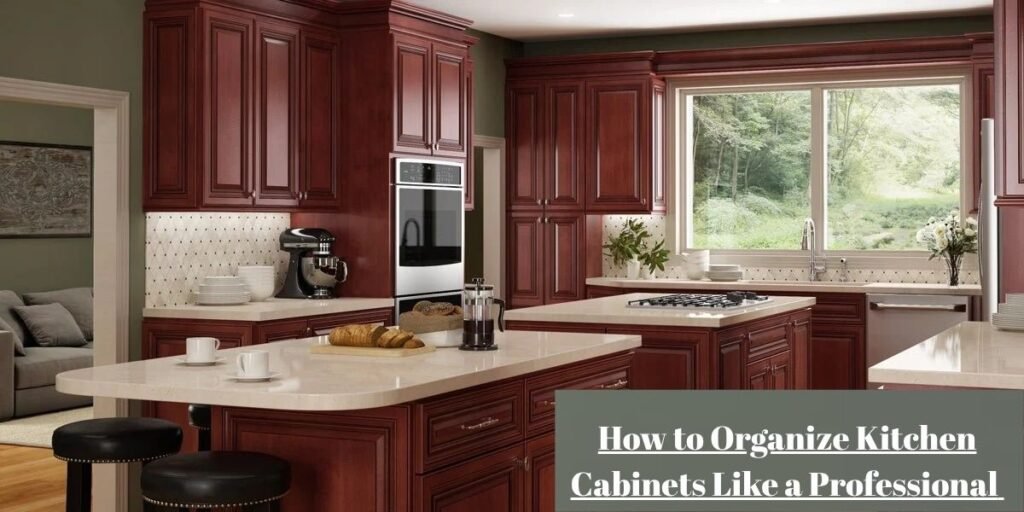
Bathroom and kitchen remodeling doesn’t need full renovations. A smaller change can modernize the space. You can change hardware and add lights instead of moving plumbing.
- Swap cabinet handles.
- Change the drawer pulls.
- Reapply splashback for a clean finish.
- Add self-adhering splashback where applicable.
| 📍Pro Tip: Keep the work in steps. Do hardware first. After painting, go for lightning to avoid having multiple things torn apart at once. |
Cosmetic Upgrades
Cosmetic upgrades focus purely on what you see. It’s about small decorative elements. They are usually renter-friendly and adaptable.
- Change out switch plates.
- Install new doorknobs.
- Add removable wallpaper to feature walls.
- Update textiles, including throws and rugs.
- Style shelves with books.
- You can place plants on the shelves.
| 📍Pro Tip: Create a simple mood board to see how your cosmetic changes feel. Make sure changes feel cohesive, not random. |
Cost-Saving Strategies And Mistakes To Avoid
Smart cost-saving strategies help you keep up with the budget. They also help in avoiding DIY setbacks. Common mistakes include skipping preparations. Buying the cheapest tools while starting too many projects at once.
- Plan the project. Know the price of materials before starting. Compare 2–3 stores if possible.
- Don’t save on preparations.
- Don’t buy tools that will be used once.
- Complete one project before starting the new one.
| 📍Pro Tip: When you don’t know how to start, test techniques on scrap. You can also test in a low-visibility area first. It can save money on fixes later. |
Choose One Tool And A Simple Project!
To get started, pick one beginner-friendly tool. You can learn by starting a small project. This builds skills and confidence without a big financial risk.
You can use a drill driver and a screw set, which is for beginners. You can install a floating shelf for placing items on it. You can hang a gallery for photos.
All these can be your small projects. Place all your tools in a bag to start. You can watch a video for guidance. Take photos before and after the project to see the difference and mistakes to avoid.