The modern era equals modern homes. They’re more connected and centralized compared to the traditional designs. You can control the entire house, including its lighting, climate, doors, curtains, and even coffee machines, with just a mobile phone or voice command. However, this increase in connectivity comes with its own set of problems, such as security.
Those traditional locks and alarm systems are not enough to meet the modern security standards. It’s also no longer about picking locks but rather digital vulnerabilities, which, if exploited, can result in privacy threats and much more.
Today, package theft, unauthorized access, and unmonitored entry points in your homes can create extremely dangerous risks for homeowners. New technology gives little to no leeway, meaning home protection is no longer optional.
Smart home security systems are what you need right now to keep your family and yourself safe, even when you’re asleep. These systems introduce highly advanced and connected surveillance.
From automation to real-time monitoring, these security measures ensure that no intruder or package thief dares to lay eyes on your house. This home security system not only triggers sirens during intrusions but also records evidence and alerts law enforcement immediately.
However, establishing a smart home security system is a tedious task, especially when there’s no guidance, which is why in this article, we’ll explain smart home security in detail. With our help, you’ll be able to learn all the key details regarding the home security system’s function and apply them in your own house.
Table of Contents
- What Is Smart Home Security?
- How Smart Home Security Systems Work
- Core Components of a Home Security System
- Types of Smart Home Security Systems
- Wired Systems
- Wireless Home Security System
- DIY Home Security System
- Professionally Installed Systems
- Benefits of Smart Home Security
- Limitations of Smart Home Security Systems
- Choosing the Best Home Security System
- Final Thoughts
What Is Smart Home Security?
Smart home security is a vast topic mainly focusing on connected systems of devices that are designed to monitor your house and enhance its overall security. These systems are leagues ahead of traditional setups that mainly rely on door locks and surveillance cameras at max.
But modern smart home security systems can operate nonstop through an internet connection, providing homeowners with real-time insights on what’s going on in and outside of their house.
A smart home security system can be as simple as consisting of:
- AI-driven CCTV cameras
- Smart locks
And can be as advanced as incorporating:
- Modern alarm units
- Motion sensors.
- Smoke, gas, or water leak detectors
A homeowner can connect all these devices through wired or wireless connections.
In case of an intrusion or suspicious activity, these smart home security systems initiate a predefined response. That gives it enough time to alert you and the authorities before things get dangerous.
But what truly makes a smart home security system a game-changer is its remote accessibility. Homeowners can feel completely safe about their homes even when they’re away or in a different country.
Homeowners can monitor live camera feeds, get instant alerts, or even enable or disable the entire system. They can simply manage everything using their smartphone or computer without prior expertise.
When it comes to Smart home security systems, there are three primary goals that they must achieve:
- Detect the threat
- Prevent the threat from becoming dangerous
- Collect the evidence
If your home security system fulfills these objectives, you officially have a secure home.
How Smart Home Security Systems Work
When it comes to the back-end functionality of a smart home security system, you’ll notice a series of components and tasks all coordinated with each other to protect your house. The operation all begins with a:
- Centralized System
When you design a home security system, you make sure that every device is connected to each other through a hub or a control panel. This creates a centralized system that allows seamless coordination and synchronization.
Once all your sensors, cameras, alarms, and smart locks are installed correctly, they can be controlled with just a tap of your mobile phone, making you the ultimate gatekeeper.
But due to being connected through an internet network, this system is vulnerable to digital threats. To counter that, a secure internet network is a must.
The systems should also be trained to behave differently in different scenarios, for example, a siren and alerting authorities in case of a home invasion. In case of fire, the system should alert the fire station and alert homeowners to evacuate immediately.
These features are lifesavers, especially when you’re either away from your home or asleep, unaware of the danger approaching.
- Threat Detection
When designing a smart security system, the main strategy is where to place your cameras and sensors; after all, that’s what is going to detect the threat in the first place. Try placing these sensors and cameras at strategic entry points such as:
- Doors
- Windows
- Garages
- Hallways
- Backyard
- Front door
These sensors, once activated, will detect motion inside or outside of the house and send an immediate signal to the control panel in case of break-ins.
- Signal Transmission
Security devices transmit signals either through:
- A wireless home security system, in which signals will travel wirelessly through encrypted Wi-Fi and radio frequencies.
- Wired systems that will transmit signals through physical cabling, directly connecting them to the hub.
- Alert and Alarm Activation
Once the home alarm system activates during an unfortunate event, it will create a loud siren to both alert homeowners and scare away the intruders. Alert notifications will also be sent to the homeowner’s mobile device.
Many advanced systems automatically trigger camera recording when motion is detected.
- Monitoring Intervention
Some systems feature professional home security monitoring, which, when enabled, alerts the monitoring center. The Operators on the other end will verify the incident and contact emergency services immediately.
All these components come together and create a layered process ensuring detection, notification, and quick response during emergencies.
Core Components of a Home Security System
A home security system can only be labeled as complete and effective when it contains the following core components:
- Control Panel
The control panel is the brain of your entire home security system. This component is responsible for managing the vast communication channel between devices. It processes data directly coming from the sensors across the house and determines appropriate responses in different circumstances.
- Entry Sensors
These sensors are placed at your doors and windows or any other opening. If an unauthorized person tries to enter your home, these small magnetic devices will immediately trigger alerts.
- Motion Sensors
To protect specific areas like hallways or garages, motion detectors help alert the system when someone tries to sneak in. These are prone to false alarms, but newer and advanced versions are able to distinguish between human movement and normal disturbances like pets moving around the house.
- Home Surveillance System
Cameras are the eyes of your house; they provide visual monitoring of both interior and exterior areas. A home surveillance system is best when it includes:
- Doorbell cameras
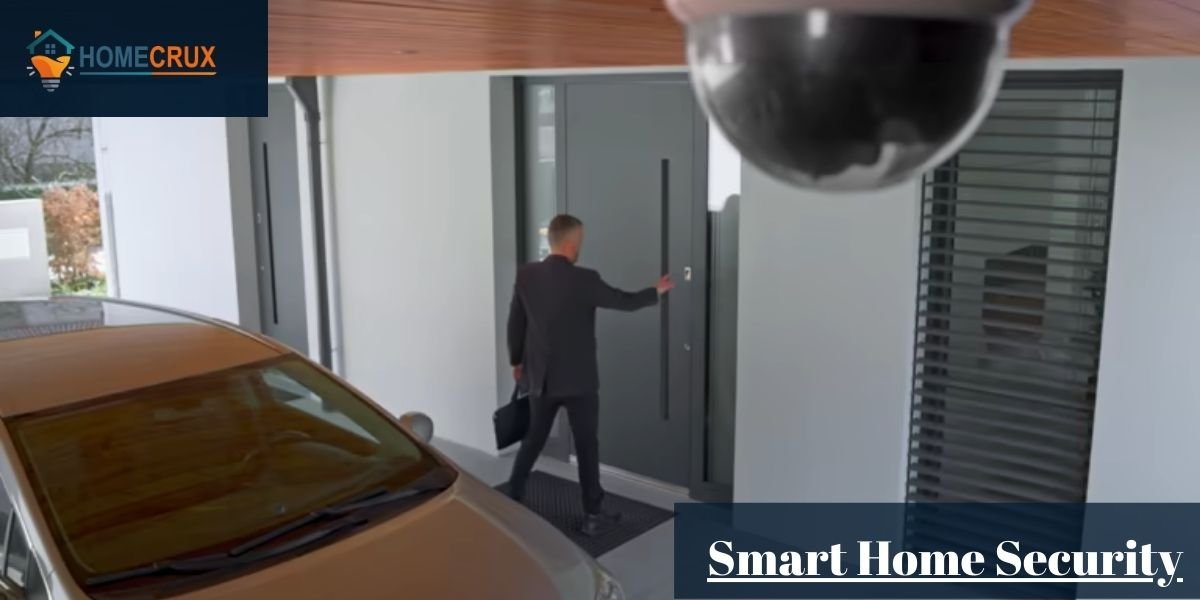
- Outdoor CCTV
- Indoor security cameras
- Night vision capabilities
- Cloud or local storage
The captured footage is highly crucial because they’re visual evidence of any wrongdoing. It helps not only the police investigation but also backs up your claims during court hearings.
- Smart Locks
Typical padlocks and door locks are easy to break by brute force or smart tactics like lock picking, which is why smart locks are a much preferred option. They can be remotely locked and unlocked. They may even feature fingerprint and password authorization, adding an extra layer of protection.
- Home Alarm System
Alarm systems that are loud and continuous can make intruders panic, causing them to run away before things can escalate. High-decibel sirens are the best pick to create immediate attention during breaches.
- Mobile Application
The best home security system always has a user-friendly mobile application, which enables remote monitoring and system control. These applications give the homeowner complete insights into what is happening inside and outside of their house, keeping them alert 24/7.
With all these components installed in your home security structure, you can stay worry-free without needing to stay on guard all the time.
Types of Smart Home Security Systems
There are so many categories when it comes to home security systems, which is why inexperienced homeowners struggle to select appropriate solutions. This is why we have categorized some of the key systems that you can install at your house or building:
- Wired Systems
As the name suggests, these home security systems heavily rely on physical cabling for device communication. The cables are exceptionally great when it comes to stable connectivity and minimal signal interference.
However, the installation is not as easy as it may require structural changes to your house. Because of this, wired systems are much preferred in newly constructed homes where the security infrastructure can be built into the design from the very beginning.
- Wireless Home Security System
The wireless home security systems are much easier to implement in your homes compared to the wired ones. All it needs is a strong Wi-Fi, and you’re good to go. You can install and relocate your devices whenever and wherever you want.
But of course, if there’s no internet connection, the system fails immediately.
- DIY Home Security System
A DIY home security system heavily involves the homeowners themselves. They can purchase the equipment and install it independently based on their own needs. Such security systems are not complex and follow a simplified setup.
The big benefit is that if you feel like the security is not good enough, just buy more devices and expand the systems, or replace the old versions with the new ones. It’s a budget-friendly option but lacks those advanced capabilities compared to those installed by professionals.
- Professionally Installed Systems
Professional home security installation is as good as it gets. They’re coordinated, highly advanced, strategically placed, and give homeowners full control over their house. The best part is that home security companies handle all equipment configuration and initial setup. Saving you all the hassle.
This setup costs a lot, but in return, you’re getting 24/7 security for your family and yourself.
Benefits of Smart Home Security
Having a secure home is the biggest advantage you can have, but smart home security systems extend beyond that:
- Enhanced Protection
Nobody can stay awake and guard your home 24/7, but a computer can. These AI-driven security systems can provide continuous monitoring, minimizing the chance of break-ins, and if it does happen, alarms go off immediately.
- Remote Accessibility
Homeowners can monitor their beloved homes via their mobile phones and laptops even when they’re in a different country, giving them the peace of mind they deserve.
- Real-Time Alerts
No delays! Instant notifications and rapid action, preventing a tragedy from occurring.
- Evidence Collection
CCTVs and home surveillance systems record 24/7, providing a full view of unfortunate incidents, a big help during investigations and insurance claims.
- Smart Connection
Smart home security systems can be connected with other devices in your home, such as your lights, turning on automatically during an invasion. Your AI home assistant connected with a security system may alert authorities instantly.
- Scalability
Expanding your home security systems can be scaled up and evolve fairly easily. It can be done both professionally by a home security company or by yourself as a DIY project.
These are just a few of the thousands of reasons why having a smart home security system is the best investment you can ever make.
Limitations of Smart Home Security Systems
Despite having so many positive impacts on your house, there are a few limitations that are worth considering:
- Internet Dependence
Wireless home security systems, which are fairly common, require a stable connection; without it, they’re pretty much useless. So, in case of network outages, your home is vulnerable.
- Subscription Costs
Home security installation already costs a lot, and on top of that, cloud storage and professional home security monitoring can heavily strain your budget.
- Privacy Breach
Cameras not only record suspicious activity but also your private life, so it’s best to position them in only necessary places so you won’t feel uncomfortable living in your own home.
- False Alarms
Sensors can sometimes mistake things like animals or your own family members as intruders, resulting in annoying false alarms.
- Technical Vulnerabilities
Home security systems, especially the ones that are connected via the internet, are vulnerable to cyber attacks, so you never know who else is watching you through your own surveillance system.
- Backup Power
A backup battery system is quite necessary to keep the devices running during power outages.
Smart home security is a good investment, but it never provides 100% protection.
Choosing the Best Home Security System
Selecting the best home security system depends on several factors, such as:
- Property Size
Larger homes may require a larger setup.
- Your Needs and Requirement
When choosing, decide between DIY home security systems or professional home security installation.
- Monitoring Needs
Ask yourself the question: Do you really need security monitoring, and if needed, how secure does it need to be?
- Compare System Compatibility
When designing a security system, make sure that your smart home devices are compatible.
- Review Storage Options
Considering the budget, wisely choose between cloud-based or local recording systems.
Once you’ve considered all these factors, you’ll be able to install the best home security system.
Final Thoughts
Smart home security is an essential addition to your house. Modern tech and remote access enable continuous surveillance. It’s a preventive measure that minimizes an invasion or a disaster before it can happen or escalate.
Despite the fact that there’s no system in the world that guarantees absolute protection, a smart home security system is still something you should never compromise. So install your setup with the help of our guide and live in a secure environment.