
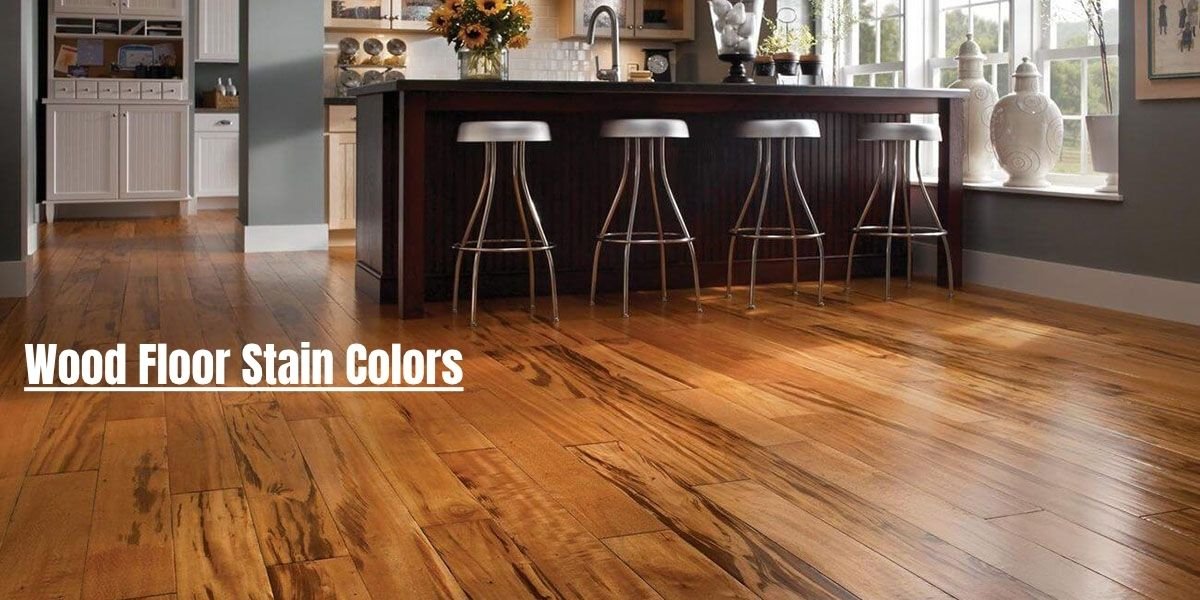
Selecting a wood floor stain color looks simple on a small paint chip, yet it turns complicated the moment it meets your living room. A single color like Special Walnut or Golden Oak changes completely depending on the timber species under it, your window orientation, and your wall paint. It is common to pick a shade off a small store display, then watch the finished floor read far warmer, cooler, or darker than expected once it sits under real household lighting.
Stain does not behave like paint. Paint forms a film on the surface. Stain soaks into the raw grain, and the wood itself has as much say in the final color as the pigment does. Every hardwood carries its own density, pore structure, and natural undertones. Red oak pulls are warm and pink. White oak stays cooler and more neutral. Maple resists penetration and blotches without careful prep. This guide works through stain selection the way a refinisher does on site, species by species and room by room, so the color you commit to on paper matches the floor you actually get.
Start With the Wood, Not the Color
Most people open a flooring project by scrolling color charts. That is the wrong first move. Identify the species under your feet before you look at a single swatch, because the grain and porosity of that wood decide how much pigment it drinks and how evenly the color lands.
Red oak and white oak share an open, ring-porous grain that pulls stain in generously and locks pigment deep in the earlywood pores. Both take color predictably and show bold, defined grain lines once sealed, which is why oak remains the most forgiving floor species across the whole light-to-dark range. Red oak also sits at the base of the Janka hardness scale at 1,290, the North American benchmark every other species is measured against, while white oak runs a touch harder at roughly 1,360.
Maple is a different animal. Its tight, closed grain fights liquid stain, and dark colors turn streaky and cloudy unless you flood the surface with a pre-stain wood conditioner first. Refinishers routinely steer maple clients away from anything darker than a medium brown and toward gel stain when a deeper tone is non-negotiable, because gel sits more on the surface and evens out the blotch. Hickory sits at the opposite extreme. It is the hardest common domestic floor species at about 1,820 on the Janka scale, and a single board can swing from pale cream sapwood to chocolate heartwood, so even one uniform stain reads as a multi-toned floor across the room.
Pine is a softwood and plays by softwood rules, with a hardness that can dip near 380 on white pine. Its uneven density grabs pigment fast in the soft spring growth and skips over the harder latewood, so deep colors go patchy. If your home has original heart pine or plank pine, lighter and more transparent finishes deliver far cleaner results than any espresso attempt.
A good flooring contractor can name your species from the grain in under a minute. Get that identification locked before anything else, because every decision downstream depends on it.
Popular Wood Floor Stain Colors
Natural and Clear Finishes
A natural or clear finish adds no pigment at all. It seals the board and lets the raw tone show, usually with a faint amber warmth from the oil in traditional oil-based polyurethane. Water-based finishes skip that amber cast and hold the wood closer to its bare color, which is exactly why they have become the top request on white oak. This look leans on species with genuine natural character, white oak and hickory chief among them, and it ages gracefully because there is no pigment layer to fade unevenly. Spot repairs also blend far more forgivingly than they do on a heavily tinted floor.
Light Oak and Honey Tones
Light oak and honey stains sit one step above a natural finish, adding a warm golden cast without meaningful darkening. These are the tones that blanketed homes built through the 1990s and early 2000s, which matters if you are trying to match a new addition to existing floors from that era. Honey shades brighten dim rooms and make grain pop, and they forgive the everyday light dust and grit that show instantly on dark floors, though they do highlight the occasional dark scuff.
Medium Brown Stains
Medium brown is the workhorse category, home to timeless shades like Provincial, Early American, and Fruitwood. Provincial in particular has anchored the U.S. market for well over a decade because it reads as a true neutral brown with no strong pull toward red, gray, or yellow, which is precisely why it is the standing recommendation for taming the pink in builder-grade red oak. These mid-tones coordinate with almost any cabinetry, trim, or furniture, and their middle value hides both dust and minor scratches better than anything lighter or darker.
Walnut Shades
Walnut-toned stains, led by Special Walnut, produce a rich brown that reads warm rather than gray. This is the most consequential color in the category right now: Minwax named Special Walnut its 2026 Color of the Year, and demand has surged accordingly. It earns the attention because it pairs cleanly with both traditional wood trim and modern black or brass hardware, and it sidesteps the cool gray cast that dates a room. On oak the same can highlights strong grain contrast. On maple or birch it flattens out and reads more uniform, because those tight species absorb far less pigment.
Dark Brown and Ebony Finishes
Dark brown and near-black ebony finishes create a formal, dramatic look that photographs beautifully and still commands the high end of the market on white oak. The daily reality is less flattering. Dark floors telegraph dust, pet hair, lint, and bare footprints the moment light hits them, so they demand frequent sweeping to stay presentable. They also compress a space visually, which is why they belong in large, well-lit rooms rather than tight bedrooms or narrow halls.
How Different Wood Species Change the Final Color
The same can of stain produces noticeably different floors depending on what is underneath it. Understanding this before you order material is the single best way to avoid an expensive mismatch.
- White oak carries a cool, olive-neutral undertone and a tight, straight grain. Stains land muted and slightly gray-leaning, which is exactly why white oak is the default for modern farmhouse and Scandinavian rooms and why it accepts a gray or greige tone without a fight.
- Red oak hides pink and orange in its raw fibers, and that warmth stacks onto whatever you apply. Even a neutral brown picks up a reddish cast, and cool colors like Provincial or Gunstock can drift outright orange on red oak, clashing with gray cabinets or cool wall paint if you miss it in planning.
- Maple rejects heavy pigment through its dense grain and blotches without a pre-stain conditioner. Lighter tones behave far better here, since deep colors only exaggerate the mottling.
- Hickory swings wildly in natural color across a single board. Darker stains pull those swings into one unified tone, while lighter finishes celebrate the variation, so your choice sets the whole personality of the floor.
- Pine drinks stain fast and unevenly, going patchy under rich colors. It looks its best under light, transparent finishes that let the knots and grain carry the room.
Finding the Right Stain for Your Home’s Style
Architecture and interior style narrow the field faster than any chart, because a stain that flatters one aesthetic actively fights another. The pairings below reflect what installers reach for most often across each look.
In modern interiors, cool neutrals do the work: light gray-brown, greige, and natural white oak that ground the room without competing with clean architectural lines or minimalist furniture. Farmhouse spaces lean on warm, lightly weathered mid-browns and honey tones over wide plank, with white oak carrying a natural or lightly tinted finish that balances rustic character against refinement.
Traditional homes call for the rich end of warm brown, walnut and classic medium tones that hold their own beside ornate trim, heavy crown molding, and formal wood furniture. Scandinavian rooms push the opposite way, toward pale natural stains and whitewashed white oak that reflect daylight into every corner and keep the space feeling airy.
Rustic interiors want hickory or reclaimed wood in darker, textured finishes that emphasize knots, mineral streaks, and honest imperfection, often on a distressed or hand-scraped board. Contemporary spaces leave the most room to experiment, from deep espresso to warm mid-tone brown, as long as the floor stays in visual agreement with fixed elements like countertops and cabinetry. Worth noting across all of these: matte, satin, and wire-brushed finishes have largely displaced high gloss in current work, because low sheen reads more natural and hides footprints that a glossy topcoat would broadcast.
What Room Conditions Do to a Stain Color
A stain sample almost never looks the same spread across a full room. The room itself edits the color, sometimes dramatically.
Natural light is the biggest variable, and it shifts through the day. South-facing windows pour warm, direct daylight in and make a stain look lighter and more golden than it did on the shelf. North-facing rooms take in cool, diffused light that lifts gray undertones forward, so the identical stain reads darker and cooler by comparison.
Artificial light pulls just as hard. Warm incandescent or soft white LED bulbs near 2700\text{K} bring out red and orange undertones, while cool white or daylight bulbs at 4000\text{K} and above emphasize the gray and blue notes that barely register in daylight. The practical rule is simple: evaluate every floor sample under the exact bulbs installed in your home, never under store fluorescents.
Room scale changes how heavy a color feels. A dark stain in a small room reads cozy and enclosed, while the same dark stain across an open-plan space reads grounded and expansive. Ceiling height compounds it. Tall ceilings balance a dark floor, and low ceilings paired with dark flooring press a room down. Open plans add another layer of difficulty, since one floor color now sits under several lighting conditions and beside several finishes at once. A shade that looks bright in a kitchen under task lighting can read a full step deeper in the dim living room next to it.
Light, Medium, or Dark?
Depth is not just a look. It sets your cleaning routine and how the floor wears, so it deserves a clear-eyed decision rather than a gut pick. The trade-offs break down along a few practical lines.
- Daily upkeep: Light floors hide general dust and sand well but show dark hair and debris quickly, while dark floors do the reverse, hiding debris in low light yet revealing fine dust and footprints under normal light.
- Scratches: Medium browns win, because their mid value masks the contrast between a nicked clear topcoat and the raw wood beneath it.
- Pets: Dark floors demand constant sweeping if your animals shed light fur, and light floors forgive dark-haired pets far more readily.
- Room perception: Light stains expand a space and lift small or dim rooms, while dark stains add drama at the cost of visual footprint.
- Resale: Medium brown is the safest long-term bet, appealing to the widest pool of buyers and coordinating with the broadest range of furniture and paint.
Looking Beyond the Color Sample
Stain charts show you the headline pigment, but they rarely surface the undertone that decides whether a floor harmonizes with everything else in the room. Every stain leans slightly warm, cool, or neutral, and that lean matters more than the name on the can.
Warm tones carry red, orange, or golden bases and sit naturally beside cream walls, brass fixtures, and traditional wood furniture. Cool tones lean gray or taupe and complement crisp white walls, gray cabinetry, black hardware, and modern decor. Neutral tones split the difference and offer the most flexibility as your taste shifts over the years.
Matching a floor tone directly to your kitchen cabinets tends to backfire, producing a flat, faintly mismatched space rather than a coordinated one. A warm honey oak floor set against cool gray cabinets is the classic collision, and the conflict is jarring in person. The same logic applies to door trim and window frames, which suddenly announce themselves the moment the floor is finished. Factor in your furniture too, a walnut dining table or a cherry credenza, so species and finishes stop clashing in the same line of sight.
Testing Stain Before the Floor Is Finished
No experienced refinisher trusts a color chart to make the final call, and neither should you. The on-site test is the step that separates a floor you love from a floor you tolerate, and it follows a consistent sequence.
Sand a test patch on the actual floor somewhere it will not show, inside a closet or under where an area rug will sit. Brush two or three candidate stains side by side on that bare wood and let them dry fully. Then seal the patch with the exact topcoat planned for the job, water-based or oil-modified polyurethane, because the topcoat deepens the pigment and shifts the clarity, and an oil-based coat adds amber warmth that water-based does not. Finally, read the patch at different hours, morning, peak afternoon sun, and evening, under both daylight and your home’s own bulbs.
One more variable belongs in that test. Water-popping the floor, wiping it with a damp rag and letting it dry before staining, opens the grain and darkens nearly every color by roughly a full shade. If your finisher plans to water-pop the full floor, they should water-pop the test patch too, or the sample will read lighter than the real thing. Skipping the whole test process is where most flooring regret starts, because a shade that looks perfect on a store display under retail fluorescents can transform across hundreds of square feet of sunlit room.
Costly Stain Color Mistakes
A handful of avoidable errors account for the large majority of stain-color disappointments, and every one of them happens before the finish coat goes down.
- Trusting showroom samples: Harsh lighting and a chip the size of a business card tell you almost nothing about how the color behaves across a real room under home light.
- Ignoring the wood species: Picking a shade from a photo of white oak and applying it to red oak or pine leads to unexpected pink or blotch.
- Skipping the on-site test spot: Committing a whole floor sight unseen invites total mismatch.
- Chasing a short-lived trend: An extreme jet-black or heavy gray-wash can date a home fast once the design cycle turns.
- Locking wall paint before floor stain: This needlessly limits your flooring options. Paint is cheap and quick to change. Refinishing hardwood is neither, so the floor should lead and the walls should follow.
Wood Floor Stain Colors That Age Well
Some colors carry across decades. Others chain a home to the year it was refinished. The difference usually comes down to how neutral and balanced the tone is.
Medium browns with even warmth hold their value through shifting trends better than anything else, which is why refinishers keep steering undecided clients toward Provincial and its neighbors. Special Walnut has earned durable popularity for the same reason, working equally well with vintage brass and sleek modern hardware while avoiding the gray cast that dates an interior, a track record its 2026 Color of the Year nod only reinforces. Natural and lightly tinted finishes on white oak age just as gracefully, because they lean on the wood’s own grain rather than a heavy trend-driven pigment.
The colors that age least gracefully are the extremes, near-black ebony and stark gray-wash, both tied tightly to brief design moments. Gray-toned floors have not disappeared, but they have matured from an explosive trend into a stable, more coastal design category rather than the default they once were. If you plan to stay in the home long term, a balanced mid-range earth tone delivers the most lasting satisfaction.
Questions Worth Asking Before You Make a Decision
Which stain hides scratches best?
Medium browns with visible grain camouflage surface scuffs most effectively, because the natural grain variation breaks up a scratch and lets it blend into the surrounding tone instead of reading as a bright line.
Which color makes a room feel larger?
Light and natural clear finishes bounce light back toward the walls and ceiling, and that reflected light opens up tight spaces, so small rooms and dim hallways feel more open and airy.
Can hardwood floors be stained lighter?
Yes, but only after you sand completely down to bare, raw wood to remove the old dark finish. If the raw timber carries deep red or dark undertones, you may also need a wood bleach or lightener before a pale stain will read true.
Should every room match?
Adjoining open spaces look best with one consistent color to keep the visual flow unbroken. Separate closed rooms like bedrooms can carry their own shade, as long as the change happens cleanly at a doorway threshold.
What works best with pets?
Medium to medium-dark tones with visible natural grain hide both pet hair and minor claw marks well, and a satin or matte topcoat conceals scuffs far better than high gloss, which is one more reason low-sheen finishes dominate current installs.
Choosing a Stain You’ll Be Happy With for Years
The right wood floor stain comes down to a simple, logical order rather than a leap of faith at the chart. Identify your species first, because that single fact dictates how any stain will behave on your floor. Then choose a general color family, whether light and natural, warm medium brown, rich walnut, or deep espresso, that suits your home’s architecture and the fixed finishes already in the room.
From there, test your candidates directly on the sanded floor, seal them with your actual topcoat, and watch how the color moves through the day. Balance the look you want against the upkeep you will realistically do, and the floor you choose will still look right, and still perform, decades after the last coat cures.