
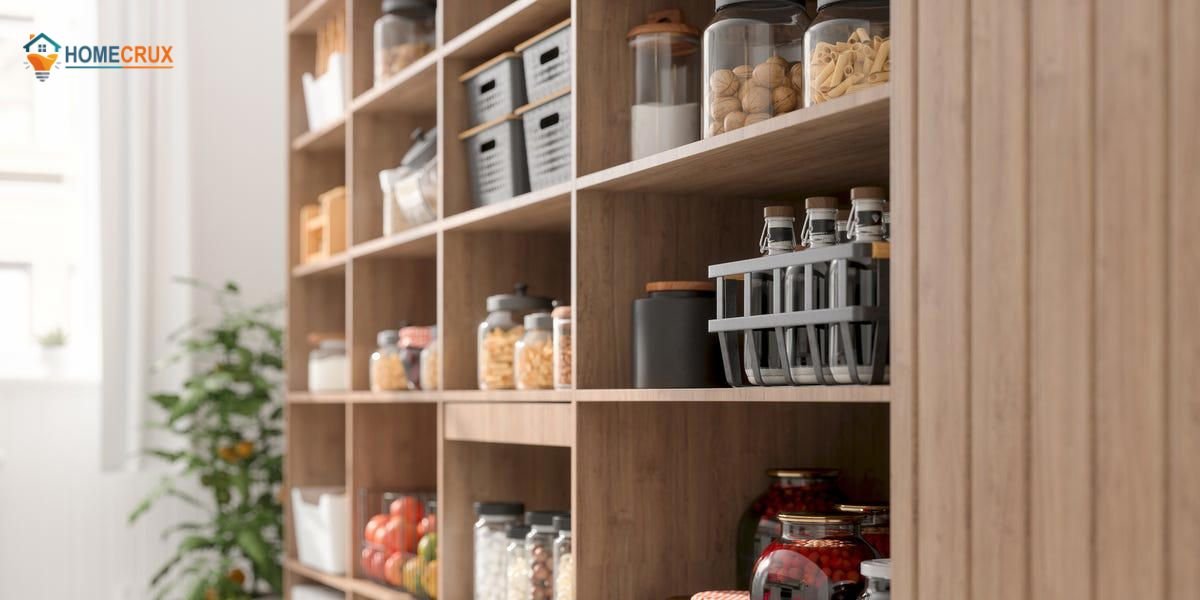
Open shelving can genuinely transform how a kitchen feels. Pulling everyday dishes out from behind cabinet doors gives a room depth and personality that closed storage simply cannot match. The visual balance, however, is delicate. A handful of well-chosen pieces reads as warm and intentional, while a haphazard mix of odds and ends on that same wall turns into visual clutter almost overnight. The point was never to chase perfect symmetry or drop money on a matching dish set. It is about building a display that looks like it belongs there and still holds up to the reality of cooking dinner on a Tuesday night.
Cost is part of this conversation too, and it is worth naming plainly. Swapping upper cabinets for open shelving typically cuts material costs on a kitchen remodel by 20% to 40%, according to recent interior design industry data, while making the room read as noticeably larger and brighter. That is a meaningful number for anyone weighing a renovation budget. The harder question is not cost, though. It is keeping shelves that hold your actual dishes from sliding into everyday mess, which is where most people run into trouble.
Make the Shelves Belong to the Kitchen
Open shelves should never look like an isolated afterthought floating on an empty wall. They need to anchor themselves directly to the architectural lines, finishes, and hard surface materials already present in the space.
Matching wood tones on thick oak or walnut shelves directly to existing hardwood flooring, butcher block counters, or island detailing builds immediate cohesive warmth. In the same way, pulling metal elements from your matte black cabinet hardware, brushed brass faucet, or industrial pendant lights into small accent pieces creates structural unity across the wall.
When ceramic tones reflect the subtle veining of your quartz countertops or the undertones of your tile backsplash, the shelving setup feels unified and completely deliberate.
Not Everything in Your Kitchen Needs to Be Seen
Exposing every single dish you own is the fastest route to visual chaos. Culling what goes on display is just as critical as selecting the items you choose to highlight.
Clearing away duplicated, chipped, or worn items that lack utility or aesthetic value is the first step. Storing foods in original commercial packaging inside closed lower cabinets prevents harsh colors and busy graphics from distracting the eye. Tiny, unrelated knick-knacks that swallow space without serving a function should also be kept off the main display.
Perfection is not the requirement here either. Surrounding a few unusual, character-rich vintage finds or handmade stoneware pieces with calm, neutral items builds personality without overwhelming the room.
Let Your Everyday Dishes Do Some of the Decorating
Functionality serves as the single best foundation for great kitchen design. Instead of buying extra decorative objects to fill empty shelf space, let the items you reach for every morning do the heavy lifting.
Stacking similar ceramic plates or grouping soup bowls by size creates clean structural lines naturally. Grouping your everyday mug collection or running a tidy row of clear drinking glasses brings immediate rhythm to the wall.
Keep these high-frequency items on the lowest, most accessible shelf so daily meal prep stays efficient. Repetition of simple, functional kitchenware automatically builds visual order without feeling forced.
Give Each Shelf a Focal Point
Every individual shelf tier requires one substantial anchor piece to establish grounding and give visual direction to surrounding items. Without a clear focal point, smaller items drift into looking like scattered clutter.
Propping a heavy hardwood cutting board upright against the back wall creates an instant vertical background. Placing a wide, low ceramic serving bowl near the center or setting a solid pitcher on one side anchors the smaller pieces instantly.
Other effective anchor pieces include leaning an enamel platter, displaying hardbound cookbooks, or resting framed kitchen art against the backsplash. Positioning this dominant item first makes organizing the smaller, supporting pieces fluid and straightforward.
Vary the Heights
Arrangements look flat and monotonous when every single object shares the exact same sightline. Dynamic movement across a wall relies heavily on contrasting vertical proportions.
Leaning a tall wooden board behind a short stack of shallow bowls creates immediate depth. Placing a tall glass carafe beside a low, flat ceramic dish forces the eye to move naturally up and down the display rather than sliding past a flat, uninspired row.
A Little Empty Space Makes a Big Difference
Negative space acts as the frame for everything you choose to display. Packing a shelf from wall to wall chokes the room, while leaving open gaps allows individual objects to breathe.
Leaving 3 to 5 inches of clear, exposed wall near the far left and right ends of the shelving keeps the visual weight balanced. Breaking long runs of pottery into two or three distinct clusters prevents a heavy, monolithic block appearance.
Providing breathing room around taller anchor pieces lets their unique silhouetted shape stand out. If a shelf starts feeling heavy during the styling process, removing one single piece instantly restores proportion.
Repeat the Kitchen’s Colors
Color harmony comes from pulling tones directly from the surrounding environment rather than introducing completely foreign palettes.
If your kitchen features dark slate counters, introduce a matte black pottery vase or an iron trivet. If your space features warm white cabinets, select cream stoneware or alabaster bowls. If your hardware relies on brushed brass, incorporate a subtle brass oil dispenser or a small metal frame.
Coordinating these existing tones forms an invisible thread throughout the room, turning varied everyday objects into a single cohesive story.
Bring in Wood and Greenery
Hard ceramic surfaces and glass bottles can quickly make a shelf display feel cold or sterile. Infusing natural textures softens these hard edges and injects fresh life into the kitchen.
Layering rich walnut or oak cutting boards behind smooth porcelain plates introduces warm organic grain. Nestling small woven baskets on higher shelves provides hidden storage for loose kitchen odds and ends. Adding small pots of fresh herbs, a trailing pothos plant, or simple linen napkins adds dynamic texture that breaks up rigid stacks of dishware seamlessly.
Keep Pretty Things From Taking Over
A kitchen must remain a working, functional room first and foremost. Purely decorative accents add warmth, but they should never displace the tools you rely on every single day.
Striking a clear balance between practical utility and visual pleasure keeps the space liveable. If you must shift your daily coffee mugs to a hard-to-reach top shelf just to showcase a decorative statue, the styling has gone off track. Let utility guide placement first, then weave decorative accents into the remaining gaps.
Don’t Make Every Shelf Match
Repeating identical layouts across multiple tiers makes a kitchen feel staged, like a generic showroom display rather than a lived-in home.
Designing the lowest shelf for maximum utility with heavy plates and daily glassware keeps heavy items within easy reach. Using the middle shelf for medium-height items, cookbooks, and an anchor platter creates a steady middle ground. Reserving the top shelf for lighter elements, decorative vases, or seasonal items you reach for less often creates a natural visual weight gradient.
Varying the structure across each tier ensures the whole wall feels thoughtfully curated over time.
What Makes Open Kitchen Shelves Look Messy
Recognizing common layout mistakes makes fixing a crowded wall straightforward and quick.
Overcrowding the shelves with dozens of tiny, unrelated knick-knacks creates immediate visual chaos. Using too many competing colors fights for attention, while packing objects continuously from edge to edge without stopping eliminates needed rest spots for the eyes.
Burying high-use items behind decorative props slows down daily meal prep. Keeping every item at the exact same horizontal height leads to a flat appearance, and mirroring identical arrangements on top and bottom tiers makes the display look rigid. Addressing these specific issues immediately restores balance and clarity.
Shelf Combinations That Work
A few tested pairings tend to hold up well no matter the kitchen style, and they serve as a practical starting point when facing a bare wall.
The neutral and relaxed combination pairs creamy white dishes with warm oak boards and a small potted fern.
The collected and personal approach mixes daily stoneware, a piece or two of vintage amber glass, a short row of well-worn cookbooks, and one standout handmade ceramic bowl.
The clean and minimal look sticks to clear glass tumblers, uniform white bowls, and generous open space between objects.
The warm farmhouse style leans on rough-textured stoneware, a braided jute basket, and sturdy wood boards.
The selective accent color layout keeps a neutral ceramic base and repeats a single pop of color, navy blue or sage green pottery, across two or three pieces for consistency.
Take One Thing Away
The last step in styling open shelves is almost always subtraction, and it is the one people are most reluctant to do after spending an afternoon arranging everything just so. Once your display feels finished, step back 6 to 8 feet and look at the wall as a whole, the way a guest walking into your kitchen actually would.
If any section still feels heavy or fussy, remove one item. Just one. Live with the new arrangement for a few days and pay attention to how it holds up during actual cooking and cleanup, not just how it looks in the moment. Shelf styling is not a one-time project you finish and forget. It shifts naturally as your habits, your collection, and the way you use your kitchen change over time, and the best displays are the ones that get adjusted along the way rather than frozen in place.