
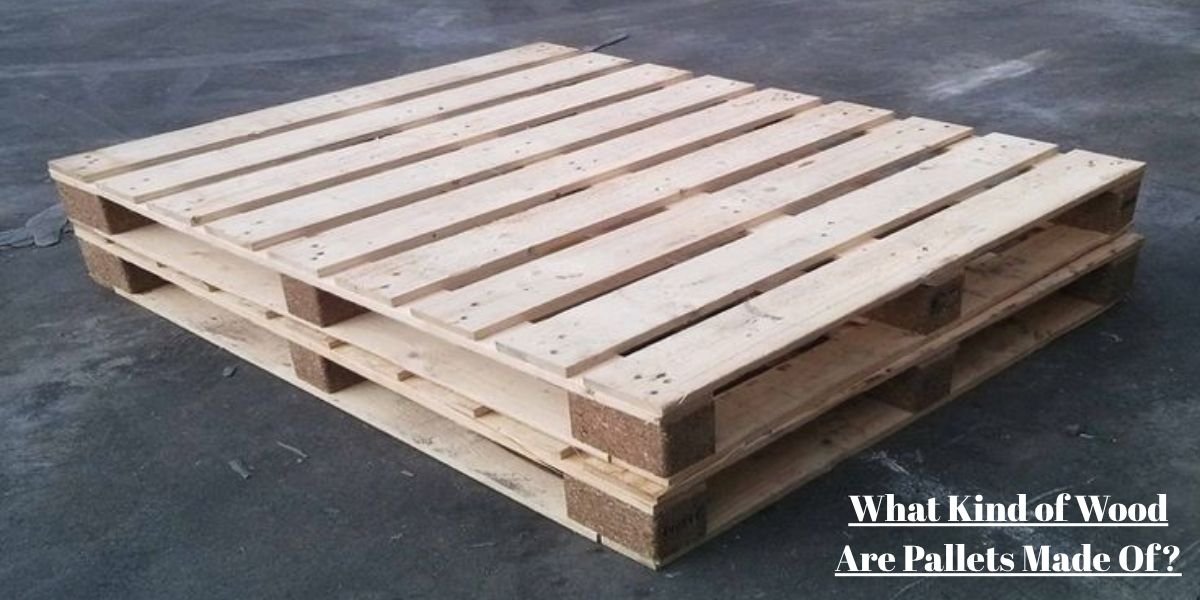
Look closely at any active warehouse floor, commercial loading dock, retail distribution center, or residential driveway during a major home moving and relocation project, and you will find millions of flat wooden platforms quietly carrying the immense weight of global commerce and daily life. These platforms are wooden pallets, the fundamental workhorses of logistics that transport everything from delicate consumer electronics, boxed groceries, and household furniture to massive industrial machinery, construction materials, and heavy automotive parts.
Despite decades of engineering competition from alternative materials like injection-molded plastic, fabricated steel, and corrugated paperboard, over 90% of all unit load shipments worldwide still rely exclusively on wood.
The specific timber selected for pallet construction is never a random accident. Different pallet woods exist for critical operational reasons, carefully balancing structural strength, long-term impact durability, unit shipping costs, regional timber availability, and multi-trip reuse potential.
Understanding what kind of wood a pallet is made from requires looking far past rough exterior boards and examining the rigorous economic and mechanical choices driving industrial supply chains and residential freight handling.
What Is a Wooden Pallet and Why Is Wood Still the Industry Standard?
A pallet is an engineered horizontal platform device that provides the stable structural base required for assembling, storing, handling, and transporting goods as an efficient unit load.
Pallets function as the critical physical interface between heavy material handling equipment – such as forklifts, pallet jacks, automated warehouse cranes, and conveyor sorting systems – and commercial cargo.
They are deployed heavily across warehousing operations, manufacturing assembly plants, retail distribution networks, agricultural packing facilities, food supply chains, construction sites, and household moving logistics.
Wood maintains its dominant market position across roughly 90% of the global logistics sector because it delivers an unmatched combination of high structural stiffness, exceptional load capacity, and low production cost.
Furthermore, timber can be easily sawn, fastened with heavy-duty nails, repaired by replacing individual boards, and recycled through established recovery networks. This makes wood significantly more economical and adaptable than injection-molded plastic or fabricated steel, which often crack under heavy point loads or require expensive specialized recycling equipment.
What Kind of Wood Are Pallets Made Of?
Commercial pallets are manufactured from a wide variety of tree species harvested across regional forests, meaning there is no single universal wood type utilized across the global packaging industry.
Instead, commercial production facilities divide their timber inputs into two broad botanical categories: hardwood and softwood.
- Hardwoods: Originate from deciduous broad-leaved trees that lose their seasonal foliage annually, featuring dense cellular structures capable of enduring extreme industrial stress.
- Softwoods: Come from conifer evergreen trees featuring needles and cones, prized for their rapid growth, lighter weight, and economical production costs.
Because commercial pallet manufacturers must minimize raw material expenses, they source their lumber locally from nearby timber mills to reduce heavy freight transportation costs. Consequently, regional forestry heavily dictates the final wood species found in any given pallet.
A standard shipping pallet built in the southeastern United States will likely contain fast-growing conifer species, while one manufactured in the industrial Midwest will frequently incorporate mixed deciduous lumber sourced from local hardwood forests.
Many commercial platforms also utilize mixed hardwood pallets or recycled lumber, blending different compatible species together into a single rugged structural unit.
The Wood Species You Will Find in Most Commercial Pallets
Pine
Pine is one of the most widely utilized softwood materials across North American manufacturing, dominated heavily by species like Southern Yellow Pine and Eastern White Pine.
Southern Yellow Pine is especially favored by packaging engineers because it balances rapid forest growth with impressive structural stiffness and high load-bearing capacity.
- Lightweight performance: Keeps dead-weight shipping freight costs to an absolute minimum.
- Workability: Easy to nail without causing excessive splitting during high-speed automated assembly lines.
- Common applications: Consumer goods, boxed retail items, packaged foods, and dry warehouse inventory.
Oak
Oak represents the absolute gold standard for high-strength, heavy-duty industrial pallets, utilizing both red oak and white oak depending on regional timber harvests and availability.
Oak lumber possesses exceptional density, high compressive strength, and remarkable resistance to repeated, punishing forklift impacts.
- High durability: Withstands severe working conditions and extensive multi-trip reuse over many years.
- Visual identification: Easily identified by its coarse, open texture, prominent growth rings, and heavy physical feel.
- Common applications: Heavy steel components, automotive engines, stone slabs, and heavy manufacturing machinery.
Maple
Maple is a dense, uniform hardwood valued by pallet builders for its superior surface wear resistance and long-term structural stability.
Maple machines cleanly during production, giving manufacturers the ability to maintain tight dimensional tolerances and consistent component sizing.
It is frequently selected for closed-loop pallet pooling systems where expensive platforms circulate through distribution networks dozens of times before requiring maintenance or board replacement.
Poplar
Poplar is classified botanically as a hardwood, but its mechanical properties make it significantly softer and lighter than oak or maple.
Manufacturers utilize poplar when they need a moderate-strength board that reduces overall shipping weight without sacrificing structural integrity entirely.
Freshly cut poplar often displays cream-colored wood tinged with subtle green, gray, or purple streaks that fade over time.
Why Manufacturers Do Not Use the Same Wood for Every Pallet
Pallet manufacturing is an advanced structural engineering discipline rather than a casual assembly of leftover timber scrap. When packaging designers and logistics engineers specify a pallet for a commercial run, they evaluate a strict matrix of physical, economic, and regulatory variables.
The primary decision-making factors include:
- Expected load weight limits and structural safety margins.
- The mechanical balance between static and dynamic stress tolerances.
- Total shipping distance and routing logistics.
- Regional forestry availability and local timber harvest cycles.
- Mill-gate lumber pricing and raw material acquisition costs.
Freight cost constraints play a massive role because adding even a few pounds of dead weight to thousands of transit platforms translates into thousands of dollars in excess fuel expenses over a fiscal year. A pallet designed for a single-trip export journey requires a different engineering approach than a platform built for a closed-loop pool intended to circulate through distribution centers for years.
Repairability metrics and physical compatibility with automated conveyor sorting systems or robotic warehouse cranes also dictate whether a builder selects dense hardwoods or flexible softwoods. A consumer goods distributor moving lightweight cereal boxes across state lines relies on lightweight pine to optimize fuel economy, whereas an automotive component plant moving heavy iron brake rotors demands dense oak stringers to prevent catastrophic structural failure under extreme load shifts.
What Makes One Pallet Stronger Than Another?
A pallet’s overall load capacity is governed by an entire integrated structural system rather than the individual wood species alone. Packaging engineers analyze multiple mechanical variables concurrently, including wood density, internal moisture content, fiber orientation, nominal board thickness, and structural width dimensions.
The physical architecture of the platform matters immensely, distinguishing between:
- Stringer-board layouts, which utilize parallel runner boards.
- Heavy-duty block pallet designs, which are equipped with solid corner and center pillars for four-way forklift entry.
Fastener engineering is equally critical, relying on the withdrawal holding power of annular-threaded or spiral-shank nails rather than smooth-shank fasteners that pull loose under heavy vibration. Deck board spacing and edge coverage ratios dictate how evenly cargo weight distributes across the frame.
During rigorous laboratory testing, commercial pallets must withstand three distinct operational stress states:
- Static load: Measures the total stationary weight a pallet safely supports while resting flat on a warehouse floor.
- Dynamic load: Tracks operational weight tolerance while the platform is lifted, turned, and accelerated by a forklift or pallet jack.
- Racking load: Evaluates the maximum weight a pallet can span across open shelf space inside high-bay warehouse storage racks without experiencing dangerous center deflection.
Why Some Wooden Pallets Feel Much Heavier
Handling multiple wooden pallets during warehouse sorting or residential moving reveals dramatic differences in weight between platforms of identical dimensions. Several physical variables explain this noticeable mass variation:
- Inherent wood density: High-density hardwoods like red oak pack substantially more cellular mass into the same physical volume than low-density softwoods like white pine.
- Moisture content: Freshly milled green lumber contains high water weight that gradually evaporates as timber seasons over time, meaning outdoor pallets exposed to heavy rain gain temporary pounds.
- Dimensional specs: Platforms built with thicker deck boards and larger structural stringers naturally require more lumber volume.
- Maintenance history: Older commercial pallets that have undergone multiple maintenance cycles accumulate extra replacement boards and heavy steel repair plates, significantly raising their overall dead weight.
New Lumber, Recycled Lumber, and Repaired Pallets
The modern logistics supply chain relies heavily on a sophisticated recovery, recycling, and repair infrastructure to keep operations sustainable. New commercial pallets are built from freshly milled timber cut specifically to precise commercial grade standards, providing predictable structural strength and uniform dimensions for automated facilities.
However, millions of used wooden pallets enter commercial recycling facilities annually, where technicians inspect them for structural soundness. Damaged boards are cut out and replaced with compatible reclaimed lumber, keeping functional platforms in active commercial circulation.
This extensive recovery network extends timber lifecycles, minimizes industrial waste, and drastically reduces the commercial demand for newly harvested trees, making wood shipping platforms remarkably circular by nature.
Reading the Marks Stamped on a Pallet
International shipping platforms feature standardized compliance stamps governed by the IPPC (International Plant Protection Convention) under ISPM 15 regulatory guidelines. These permanent brand marks provide critical regulatory information that customs officials and warehouse operators rely on globally.
Key marking designations include:
- HT: Indicates the wood underwent certified heat treatment inside a thermal kiln to eliminate invasive pests and insect larvae without chemical preservatives.
- MB: Indicates treatment with methyl bromide gas, an ozone-depleting chemical fumigant that has been phased out and should be avoided for indoor or sensitive consumer projects.
- DB: Denotes debarked lumber, verifying that outer tree bark was completely removed prior to thermal processing to prevent pest hiding spots.
- Country and Producer Codes: Two-letter country identification codes followed by a unique facility registration number establishing origin.
Crucially, these stamps indicate phytosanitary treatment compliance and geographic origin rather than wood species or subsequent commercial use history.
Can Pallet Wood Be Used for Furniture and DIY Projects?
Reclaimed pallet lumber has become a popular material for rustic coffee tables, wall paneling, shelving units, and garden planters, but safety must be thoroughly verified before starting any project. Wood is an organic, porous material that readily absorbs liquids, meaning pallets exposed to industrial chemical spills, agricultural pesticides, or automotive oils during their commercial lifespan can retain hidden toxic residues.
Woodworkers should prioritize several safety protocols:
- Only select clean, sound pallets bearing the HT (Heat Treated) mark.
- Reject pallets marked with MB or those displaying unknown dark stains, chemical odors, or oil contamination.
- Perform proper preparation, including fastener removal, surface cleaning, and thorough sanding, to ensure the finished project remains safe and durable for long-term home use.
Wood Pallets Compared With Plastic Pallets
Wood pallets dominate global logistics due to their low production cost, easy field repairability, and exceptional recycling rates. If a wooden deck board breaks under a forklift tine, a warehouse technician can replace it in minutes using basic hand tools.
Plastic pallets offer distinct advantages in specialized industrial environments:
- Superior hygiene and moisture resistance for cleanroom conditions.
- Smooth, non-porous surfaces that resist chemical absorption.
- Longer overall lifespan in closed-loop asset tracking pools.
As a result, plastic units are heavily favored in pharmaceutical cleanrooms and strict food-processing facilities where microbial sanitation is paramount. Despite plastic’s longevity, wood remains the primary economic choice for general manufacturing and shipping because plastic alternatives carry a substantially higher upfront purchase price and cannot be field-repaired when cracked.
How to Tell What Wood Softwood and Hardwood Pallets Are Made From
Identifying specific wood species on weathered commercial pallets is inherently challenging due to accumulated warehouse dirt, UV solar fading, and surface wear. However, several physical clues help narrow down the timber composition:
- Grain pattern: Oak displays coarse, open pores and prominent growth rings; maple features a tight, uniform grain; pine shows straight grains with frequent knots.
- Weight and density: Lifting the pallet provides a quick proxy for density, as heavy, rigid boards typically indicate oak or mixed hardwoods, whereas lighter boards point to pine or spruce.
- Color and texture: Freshly cut pine exhibits a pale yellowish cream tone, whereas untreated oak ranges from light tan to medium brown before weathering to gray.
Can You Burn Pallet Wood?
Burning wooden pallets in indoor fireplaces, wood stoves, or outdoor fire pits requires strict caution. Clean, untreated HT or unmarked domestic pallet wood burns safely much like standard firewood, with dense hardwoods providing longer burn times and softwoods igniting quickly.
However, you must never burn pallets that feature:
- Unknown industrial histories or chemical stains.
- Paint coatings or waterproof sealants.
- An MB fumigation stamp.
Combusting treated or contaminated wood releases hazardous chemical fumes and leaves dangerous heavy metal ash behind that can contaminate indoor living spaces or soil beds.
Conclusion
Choosing the right wooden pallet goes far beyond a simple preference for a specific tree species. Structural integrity is an engineered outcome that relies on a careful combination of wood density, fastening methods, load design, and regulatory compliance.
Whether you are coordinating freight for an industrial supply chain, managing a residential move, or selecting reclaimed timber for a custom woodworking project, examining the structural stamps, board condition, and operational history ensures safety and performance. Understanding these foundational elements transforms a basic stack of rough lumber into a reliable, high-performance logistics asset.
Frequently Asked Questions
What wood are most pallets made from?
Most commercial pallets are manufactured from regional timber species, with Southern Yellow Pine and Oak representing the largest volume shares in North America.
Is pallet wood hardwood or softwood?
Both categories are widely used. Softwoods like pine and spruce serve retail and distribution needs, while hardwoods like oak and maple support heavy industrial goods.
Are oak pallets stronger than pine pallets?
Yes. Oak possesses higher density and compressive strength, making oak pallets far more resistant to heavy loads and repeated forklift impacts than pine equivalents.
Are heat treated pallets safe?
Yes. Heat treatment (HT) uses thermal energy in a kiln to eliminate pests without chemical preservatives, making HT wood safe for general handling.
Can pallet wood be used indoors?
It can be used safely indoors for furniture and shelving provided the pallet is clean, structurally sound, and stamped HT rather than MB.
Why are some pallets blue or red?
Colored pallets belong to proprietary pallet pooling networks (such as CHEP or PECO). These companies own the assets and lease them out, requiring users to return them rather than discard them.
How long do wooden pallets last?
A standard wooden pallet lasts anywhere from a single trip to several years depending on handling conditions, load weights, and whether it undergoes regular repair maintenance.
Are wooden pallets recyclable?
Yes. The pallet industry operates an extensive recovery network where over 95% of wooden pallets are repaired, repurposed, or converted into mulch, animal bedding, and biomass fuel.
Which wood makes the strongest pallet?
High-density hardwoods like White Oak and Hard Maple produce the strongest structural pallet components for demanding industrial applications.