Modern furniture in 2026 has moved well past the sterile minimalism that dominated the last decade. Homeowners today are searching for a bridge between visual refinement and genuine liveability. This shift reflects a maturing market where comfort is no longer sacrificed for the sake of a clean silhouette. If you are curating a home, you are likely looking for pieces that offer tactile warmth, functional longevity, and a sense of personal character.
The contemporary American home is a multitasking ecosystem. We use living areas as home offices, dining rooms as conference zones, and bedrooms as wellness retreats. Consequently, furniture design has adapted to support these flexible needs. Understanding the current trajectory of interior design allows you to invest in foundation pieces that will remain relevant for years while avoiding the traps of fleeting, short-lived fads that often clutter living spaces.
What Is Considered Modern Furniture in 2026?
Confusion often arises between the terms modern and contemporary. Modern furniture is rooted in the design philosophy of the early to mid-twentieth century, emphasizing honest materials, functional geometry, and an absence of excess ornamentation. Contemporary furniture is a moving target, capturing the aesthetic preferences of the current moment.
In 2026, the two concepts will have effectively merged into a hybrid approach. You want the structural integrity of modernist design paired with the high-performance materials developed for modern life.
These are the defining markers of high-quality modern design today:
- Clean silhouettes that favor function without becoming aggressive in their simplicity.
HOMSEE - A deliberate move toward soft and organic forms that embrace curves over sharp angles.
Steptoes Home Furniture Cyprus - The extensive use of natural fibers, raw woods, and tactile textiles.
- Engineering that prioritizes multi-purpose utility, such as integrated storage or modularity.
Steptoes Home Furniture Cyprus - A reliance on neutral foundational tones punctuated by bold, deliberate accent colors.
Bontempi - Integration of smart features, such as hidden wireless charging or ergonomic adjustments.
The goal is to cultivate a space that feels intentional. It should not look like a museum or a catalog set. True modern design in our current climate prioritizes pieces that look as good after five years of daily use as they did on the day of delivery. If you are starting your search, I often suggest exploring collections from West Elm for their balance of modern form and attainable pricing, or B&B Italia if you are looking to invest in heirloom-quality sculptural pieces that define a room.
The Biggest Modern Furniture Trends of 2026
If you are planning to purchase new items, observing the direction of the market is essential. You want to align your budget with trends that provide long-term utility.
Soft Curves and Organic Shapes
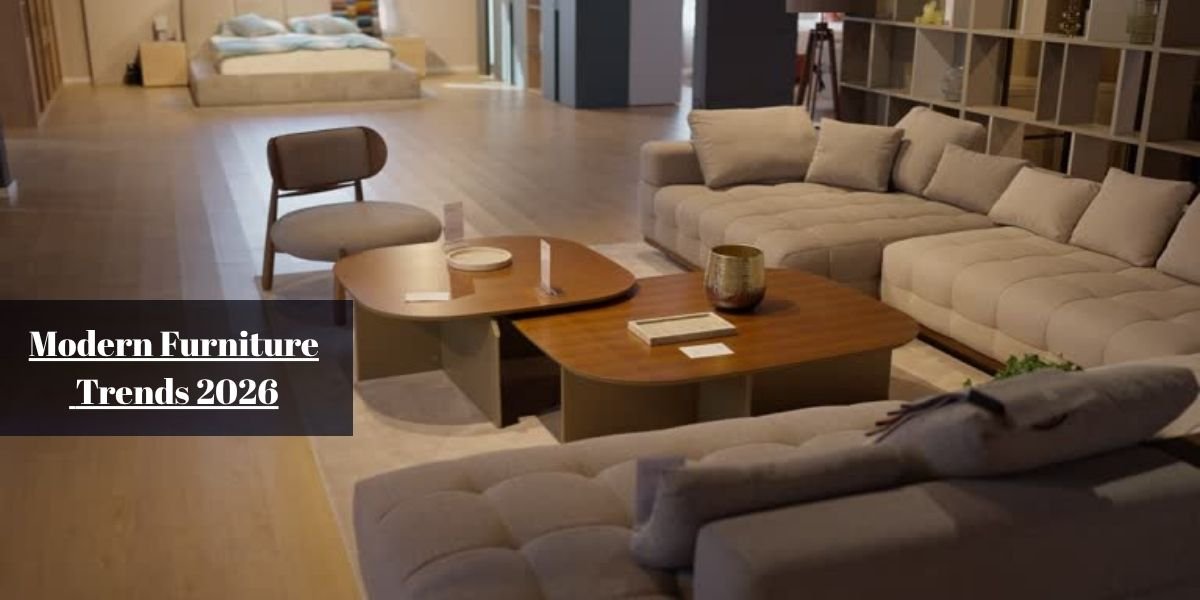
The era of the rigid, boxy sofa is fading. Designers are now favoring fluid lines that mimic natural forms. You will see this in the popularity of pieces like the Curved Serpentine Sofa or round, drum-style coffee tables. These shapes serve a psychological purpose. They make a room feel less formal and more welcoming, which is essential for spaces where you spend your downtime.
Performance Fabrics for Everyday Living
Textiles have seen the most significant technological leap. Manufacturers now produce fabrics that handle life with kids and pets without looking industrial. You should look for options like high-performance bouclé, which provides a high-end texture while offering the durability of commercial-grade upholstery. These fabrics are often stain-resistant and moisture-wicking by design rather than just by chemical coating.
Natural Wood Finishes
The move toward authenticity is strong. We are seeing a major decline in heavy, dark espresso stains or artificial high-gloss coatings. Instead, the market is obsessed with the raw beauty of grain. White oak and walnut remain the gold standards, finished with matte oils or water-based sealers that maintain the wood’s natural, dry-touch feel.
Modular and Flexible Furniture
We value adaptability more than ever. Modular sectionals allow you to reconfigure your seating arrangement as your room usage changes. If you move or renovate, the ability to split or add to your furniture is a massive financial advantage that protects your investment.
Sustainable Design
Sustainability has become a baseline requirement for premium manufacturing. Beyond just using recycled materials, the industry is focusing on the life cycle of the product. The focus is on FSC-certified hardwoods and low-VOC finishes that do not compromise your indoor air quality. Remember that the most sustainable piece of furniture is the one you do not have to replace in three years.
Choosing Modern Furniture for the Living Room
The living room serves as the anchor of your residence. It is where you entertain guests, relax after work, and display your aesthetic personality. In 2026, the emphasis is on creating a space that feels gathered rather than manufactured.
Start with the Sofa
Your sofa is the most significant investment you will make. When shopping, I personally suggest prioritizing deep seating and clean profiles that avoid bulky or dated skirting. Look for pieces with softly rounded arms, as these tend to be more inviting and soften the overall geometry of the room. A high-quality modular sectional offers the best versatility for modern families.
Before you commit, test the seat depth and cushion density. Avoid overly soft cushions that you will sink into and struggle to exit. Instead, look for high-density foam wrapped in fiber or down blends that maintain their shape over time. For those seeking a blend of form and functionality, I personally suggest the Povison Arlo Pet-Friendly Deep Sofa for its adjustable seating and high-density durability, or iconic pieces from B&B Italia if you want a sculptural, high-end Italian aesthetic that defines the room.
Select a Properly Scaled Coffee Table
A common mistake is selecting a table that is either too small to be useful or too large to allow for proper traffic flow. A well-proportioned coffee table should sit about 16 to 18 inches from your sofa. Round or oval shapes are excellent choices for 2026 because they improve flow in tight or open-concept spaces and create a gentle visual contrast against the linear profile of a sofa. For a balanced, organic look, I personally recommend exploring the wood selections at Crate & Barrel for their reliable sizing.
Layer Different Textures
A room filled entirely with smooth, flat surfaces feels unfinished. You need to create depth through contrast. If you have a leather sofa, introduce a chunky, textured wool rug. If you have a solid wood coffee table, contrast it with metal or stone accent tables. This balance of materials is what separates a professional designer’s work from a standard retail showroom display.
Modern Furniture for the Dining Room
Dining spaces have evolved from formal, underutilized zones into the heart of the home. Today, they frequently double as workspace and entertainment hubs.
Prioritize Table Shape
The dining table is the focal point of the room. Oval and rounded-rectangular tables have surged in popularity because they promote better conversation than rigid rectangular designs. A pedestal-base table is particularly effective if you want to maximize seating capacity, as it eliminates the frustration of guests hitting their knees on legs. I personally suggest looking at RH for their exceptional French contemporary extension tables that balance this sculptural look with practical, heirloom-quality construction.
Invest in Comfortable Dining Chairs
Comfort has become the ultimate luxury in dining. You are no longer restricted to rigid wooden slats. Look for chairs with upholstered seats, curved backrests that provide ergonomic support, and mixed-material constructions that offer durability without sacrificing style. Since dining rooms are often used for extended evening gatherings or even afternoon remote work, prioritize seating that you could comfortably occupy for two hours or more. If you need inspiration, Article consistently provides comfortable, mid-century inspired chairs that hold up well under daily use.
Modern Bedroom Furniture Trends
The bedroom is becoming a dedicated sanctuary for wellness and rest. The current design movement favors simplicity and the reduction of visual clutter.
Upholstered Beds Dominate
Soft, upholstered bed frames are the gold standard for creating a luxurious, hotel-like atmosphere. Seek out headboards with a curved or slightly arched silhouette to add softness to the room. Neutral performance fabrics are the best choice here, as they allow you to change your bedding colors and textures without needing to update the bed frame itself.
Simplified Storage Solutions
Minimalist dressers and floating nightstands are essential for maintaining a clean aesthetic. Integrated storage beds are also becoming a standard request in modern homes, providing a way to hide extra linens or off-season clothing while keeping the room feeling airy. By reducing the number of legs and visible clutter, you create a sense of calm that is vital for restorative sleep.
How to Identify High-Quality Modern Furniture
Not all modern designs are built to last. You need to look beyond the exterior finish to ensure you are buying a piece that will age gracefully.
Look for construction quality such as solid wood frames with reinforced joinery. Avoid furniture held together primarily by staples or thin glue lines. A quick wobble test can be revealing; if the piece sways or creaks, the frame is not level or properly reinforced.
Seek out authentic materials like kiln-dried hardwood, solid stone, or high-grade steel. Be wary of terms like engineered wood or faux leather on items that will receive high daily traffic. Finally, treat the warranty as a trust signal. Established, reputable brands offer clear warranties, which is a strong indicator of their confidence in their own craftsmanship.
Common Furniture Buying Mistakes
Even experienced homeowners fall into traps that can lead to years of regret.
Always measure everything first. Never purchase a piece without measuring your floor plan, as well as every doorway, hallway, and staircase it must travel through to reach its destination. A beautiful piece is useless if it cannot physically fit into the room it was intended for.
Do not chase short-term trends for your foundational pieces. Reserve bold colors and highly unusual shapes for decorative accents like pillows, throws, or art that are easy to swap out. Focus your major investments on timeless, foundational pieces that will still feel relevant five or ten years from now.
Prioritize comfort over visual appeal alone. An attractive chair that nobody actually enjoys sitting in is a decorative failure. Always prioritize the way a piece functions in your daily life. If a sofa looks perfect but is too firm for a relaxing evening, you will eventually resent it.
Ignoring your lifestyle requirements is another major mistake. If you have pets or active children, your furniture choices must reflect that reality. Opt for performance fabrics and durable finishes that can withstand the actual pace of your life rather than an idealized version of it.
Creating a Cohesive Modern Home
A successful modern interior does not require you to purchase an entire matching furniture set. In fact, many designers advise against it, as matching sets often lack the character and depth of a truly curated space.
Instead, create cohesion by maintaining consistency in your material choices, color story, and proportions. If you use black metal legs on your dining chairs, look for small, recurring black metal details in your living room lighting or shelving. This repetition creates a visual rhythm that ties your rooms together seamlessly.
The most appealing homes feel curated over time, reflecting your life and growth, rather than appearing as if they were purchased in a single afternoon. If you are looking for inspiration to mix textures and styles, I personally suggest browsing projects from Architectural Digest to see how professional designers balance different eras of furniture within a single home.
The Evolution of Sustainability in 2026
Sustainability has shifted from a niche marketing preference to a foundational requirement for high-end modern furniture. You are no longer just looking for an eco-friendly tag. You are looking for verifiable proof that a piece is built to survive for decades. The most responsible furniture you can own is the piece that never ends up in a landfill.
In 2026, the furniture industry will adopt rigorous standards to help you make informed decisions. When you shop, I personally suggest looking for these specific indicators of quality and responsibility:
- FSC Certification: The Forest Stewardship Council label remains the gold standard for solid wood. It guarantees that the timber was harvested in forests managed to protect biodiversity, worker rights, and long-term forest health. If a brand uses solid wood but lacks this certification, it should be able to provide a clear explanation of its sourcing.
- Low-VOC Finishes: Volatile Organic Compounds are chemicals that off-gas from paints, stains, and glues, impacting your indoor air quality. Reputable manufacturers now prioritize water-based lacquers and natural oils that are safe for your home environment.
- Repairability: High-quality furniture is designed to be maintained. Look for pieces with replaceable components or those that can be easily refinished. A chair built to be reupholstered is inherently more sustainable than a disposable one.
- Third-Party Verification: Beware of vague terms like eco-conscious or natural. Seek out brands that hold independent certifications such as GREENGUARD Gold or B Corp.
When you invest in a piece with FSC-certified solid oak or a frame built with traditional joinery like mortise-and-tenon, you are not just buying furniture. You are participating in a circular economy that values resources and craftsmanship over the rapid turnover of cheap, synthetic goods. This commitment to durability is the single most effective way to reduce your environmental footprint in the long term.
Final Thoughts
Modern furniture in 2026 is defined by a sense of balance. You are moving away from the cold, sterile minimalism of the past and embracing interiors that prioritize comfort, authenticity, and human-centric design. The most successful spaces are not necessarily the ones filled with the most expensive items, but rather the ones curated with pieces that align with your lifestyle, complement your home’s architecture, and are built to handle the realities of daily use.
Your focus when selecting modern furniture should remain on quality construction, practical utility, and natural materials that age gracefully. Start your process by establishing your foundational pieces, such as your sofa, your dining table, and your bed, before you layer in the decorative elements that make a home feel uniquely yours.
A well-furnished home is not a finished project. It is a living, breathing environment that evolves with you. By understanding today’s design trends and prioritizing long-term value over temporary aesthetic fads, you are creating living spaces that will remain beautiful and relevant for years to come.